
Apple AR Glasses Are Reportedly Getting Canceled,

The virtual and augmented reality world is full of promises but still tough to crack a market. These technologies impress who ever witnesses them, but so far, companies are not able to build a strong and steady user base for this kind of hardware. Hope set high with Apple Vision Pro, which would revolutionize the industry and bring mainstream adoptions, but it seems that Apple’s ambitious device does not even meet those hopes. Apple Cancels AR-Glasses Project Apple was reportedly working on another augmented reality device—a pair of Mac-tethered AR glasses. According to Bloomberg’s Mark Gurman, this device was intended to compete with Meta’s upcoming AR glasses. However, after internal testing, Apple decided to cancel the project, citing performance issues and an overall lack of market viability. The N107 is a project that would have had an in-built display with the need for a direct connection to a Mac to work. Obstacles such as poor battery life and performance issues locked it at a stage not suiable enough to market. Vision Pro on Unstable Ground The device itself, Vision Pro, also has not fared well in this regard. The product cannot be described as an appealing gadget because it carries a heavy price tag and large size. Not many can find themselves buying it. Some of its potential buyers thought that gaming enthusiasts would welcome it with open arms, but this is yet to be realized. In fact, Meta’s Quest 3, priced cheaper and focusing on gaming, has received immense traction. The Vision Pro is yet to develop a strong content ecosystem that might fuel long-term user engagement. What’s the future of AR strategy for Apple? Still, setbacks are not believed to cause the Vision Pro its ultimate demise: the company might simply polish and prepare it to enter mass releases with the further improvements of comfort and usability combined with a fall in costs for a higher choice of content to attract customers on daily usage basis. Its future remains uncertain as of now, for the novelty surrounding its launching has worn out. However, there is an opportunity for the company to gain better traction based on better price points, rich content, and a more streamlined design. And so, this remains to be seen: the Vision Pro-fade into the darkness or becomes the must-have device. Source
Apple Is Developing visionOS Version For Smart Glasses
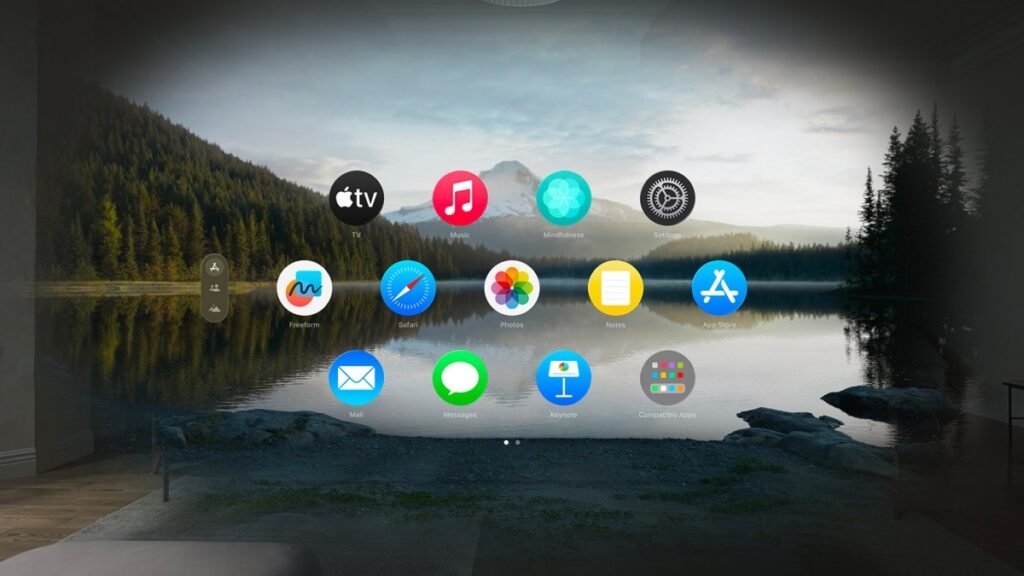
Apple is reportedly working on a new version of its visionOS, the operating system designed for the Apple Vision Pro, to support smart glasses. The move would make Apple’s augmented reality offerings more accessible, and practical than the headgear-like Vision Pro. Vision Pro Fails to Impress Apple Vision Pro, launched at an ambitious price of $3,500, has not lived up to the expectations of Apple. Mark Gurman of Bloomberg says the device is considered too heavy for extended use, overheats, and is prohibitively expensive. This has made it appeal to niche audiences only. Interest in the headset reportedly has cooled off since it shipped, with sales coming in short of projections. Smart Glasses: The Future of AR Now, Apple’s Vision Products Group is thinking beyond the Vision Pro, weighing a release of smart glasses that could pit it against Meta’s collaboration on Ray-Ban Stories. That, though, may be as far away as three years because of ongoing research and development, according to Gurman. The effort encompasses broad user research at Apple’s facilities, while the studies have internally been dubbed “Atlas.” Product Systems Quality is at the helm-a part of Apple’s hardware engineering division. The group is currently testing potential features along with interfaces for the glasses and is already working on a version of visionOS customized for the new device. Development at Apple’s Secretive Facility Apple’s AR work is anchored at a low-key campus in Santa Clara, not far from its Cupertino headquarters. Though the site saw layoffs last year, remaining employees are still working on AR. The facility also includes a manufacturing unit for testing future display technologies. Plans for a More Affordable Vision Pro Alongside working on smart glasses, Apple is redesigning the Vision Pro headset in the hope of making it more appealing to more people. It is working on a more affordable model with cheaper components. The model will cost as much as a high-end iPhone, or about $1,600. The release was initially set for the end of 2024, but Apple continues to work on locking in a prototype. Gaming Features in Collaboration with Sony On the other hand, Apple is still working on making the Vision Pro a more capable gaming tool. The company reportedly cooperates with Sony to add support for PlayStation VR2 hand controllers. The cooperation has been going on for a few months already, and the addition of VR controller support could make the device look even more promising for gamers. Conclusion Apple’s push to develop a visionOS version for smart glasses shows the company’s commitment to refining and expanding its AR product lineup. Though the Vision Pro has faced challenges, these new initiatives-from smart glasses to more affordable headsets-point to Apple’s determination to make AR technology more practical and appealing to a wider audience. Source
Apple Vision Pro Successor To Feature An In-House 5G Modem
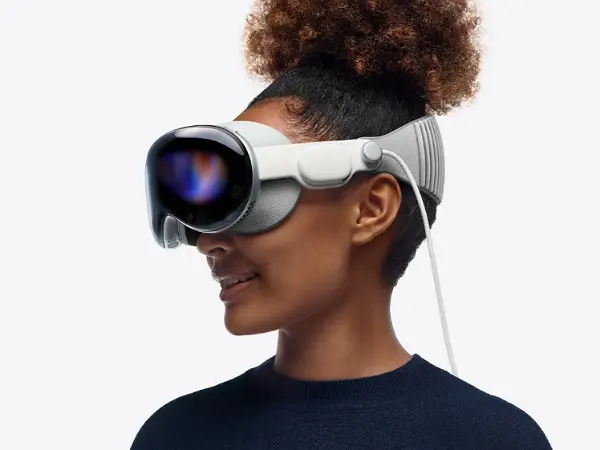
Production Halted and Future Prospects Manufacturing of Apple Vision Pro, Apple’s ultra-advanced mixed-reality headset, has stopped as the company debates its future direction. While Apple weighs several paths to revamp the product, it faces major issues with steep pricing. At the same time, Apple reportedly discusses how it can utilize its proprietary 5G modem, a crucial component to upgrade future gadgets-including Vision Pro. No 5G Modem for Next Year’s Model While rumors have been floating that a follow-up with the Apple-designed 5G modem, those hopes are likely dashed. According to Bloomberg’s Mark Gurman, that won’t happen with the second generation of Vision Pro, either. There have been talks that the company is considering placing cellular connectivity on headsets, a move that can make devices truly game-changing. That’s more likely going to come with Apple’s future AR glasses, though — and they’re still going to be a few years away. The Road to AR Glasses Apple’s strategy appears to include AR glasses tethered to an iPhone, leveraging the smartphone’s processing power to minimize the computational load on the glasses themselves. This approach could serve as a precursor to fully standalone AR devices. The long-term vision includes deploying Apple’s in-house 5G modem across various product lines, from Macs to iPhones. It’s also reported that the iPhone 18 Pro series with mmWave baseband chips could be a milestone for the company in 5G development and might also beat Qualcomm. Benefits of Integrating 5G in Vision Pro An in-house 5G modem integrated into Apple Vision Pro has several key advantages: it would decrease the size and weight of the whole device for better comfort of use, and it could enable untethered connectivity, without the need for pairing with an iPhone for internet connectivity. This would be a game-changer in changing the way people experience augmented reality. But Apple is still in the exploratory stages and may well kill the idea if it can’t make commercial sense. As with all speculative reports, it’s best to take this news with caution until official announcements are made. Looking Ahead Apple’s push toward adding 5G capability to its devices in its lineup shows the dedication it gives to innovation. If there isn’t going to be a 5G modem on the Vision Pro anytime soon, it also lays the bed for complete change in AR and mixed reality. Source: BloomBerg