
Google Launches Verified Badge For VPN Apps On Google Play

Finding a VPN to help protect online anonymity is very overwhelming. On Google Play, one finds many thousands of VPN applications. Most of the times, users end up asking how to tell whether they can be trusted or not. To solve this problem, Google is offering a “Verified” badge for VPN applications, ensuring a user will easily find safe, reliable services. Why is Verified Badge Important for VPN Users? The majority of users of VPNs use them to enjoy online privacy. This comprises hiding the IP address, location, and internet activity from people with intentions to pry eyes. Not all VPN apps, however, offer the security they say they do. The new Verified badge highlights apps meeting Google’s high security standards so that the user has every reason to trust them with data. Google defines the Verified badge as a move taken by the VPN developer to boost the security and privacy of users. Though this will not guarantee that it is protected fully, this is one step ahead of filtering unreliable or even destructive VPN apps. VPN Verification Requirements In order to have the Verified badge for a VPN app, several security-related moves have to be accomplished by the developer, among which are: 1. Aligning with Google Play’s safety and security policies. 2. Completing a Mobile Application Security Assessment validation as Level 2. 3. App listed on Google Play for at least 90 days. 4. Target API compliance and follows Google’s Provision of a Data Safety declaration in their app listing. These measures ensure that verified VPN apps are reviewed for privacy compliance and have security checks. How to identify a verified VPN app: If a user is browsing for a VPN on Google Play, now they will find a “Verified” badge at the top of an app’s page if it meets Google’s criteria. A data safety declaration would be displayed further into the listing, confirming that it passed an independent security review. It further helps users decide which VPN they can trust without depending on other unclear promises from developers they’ve never heard of about security. Which VPNs Are Verified? Google has stated in its announcement that several popular VPN providers have agreed to the verification process. NordVPN, hide.me, and Aloha Browser have completed the assessment, and their VPN will soon receive the badge of Verified. Other major VPN developers are likely to join the ranks soon, as a badge will become the new prerequisite for attracting users. Those who don’t pass the check will not be able to compete with the verified applications. Conclusion It’s great news for the user seeking to download a trusted VPN with Google’s new Verified badge. This means, from such a plethora of options, that this will weed out dodgy applications and draw attention to those which have passed through the tightest security scrutiny. Users are still required to research their VPN service, but this Verified badge serves as a great guide to help users make an informed decision regarding their online privacy and security. Source
Apple Is Developing visionOS Version For Smart Glasses
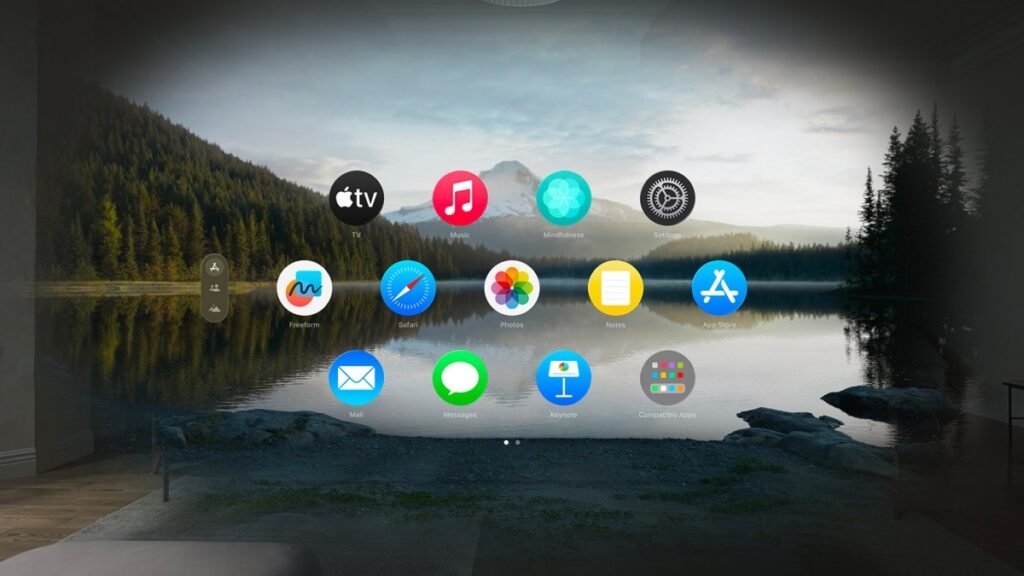
Apple is reportedly working on a new version of its visionOS, the operating system designed for the Apple Vision Pro, to support smart glasses. The move would make Apple’s augmented reality offerings more accessible, and practical than the headgear-like Vision Pro. Vision Pro Fails to Impress Apple Vision Pro, launched at an ambitious price of $3,500, has not lived up to the expectations of Apple. Mark Gurman of Bloomberg says the device is considered too heavy for extended use, overheats, and is prohibitively expensive. This has made it appeal to niche audiences only. Interest in the headset reportedly has cooled off since it shipped, with sales coming in short of projections. Smart Glasses: The Future of AR Now, Apple’s Vision Products Group is thinking beyond the Vision Pro, weighing a release of smart glasses that could pit it against Meta’s collaboration on Ray-Ban Stories. That, though, may be as far away as three years because of ongoing research and development, according to Gurman. The effort encompasses broad user research at Apple’s facilities, while the studies have internally been dubbed “Atlas.” Product Systems Quality is at the helm-a part of Apple’s hardware engineering division. The group is currently testing potential features along with interfaces for the glasses and is already working on a version of visionOS customized for the new device. Development at Apple’s Secretive Facility Apple’s AR work is anchored at a low-key campus in Santa Clara, not far from its Cupertino headquarters. Though the site saw layoffs last year, remaining employees are still working on AR. The facility also includes a manufacturing unit for testing future display technologies. Plans for a More Affordable Vision Pro Alongside working on smart glasses, Apple is redesigning the Vision Pro headset in the hope of making it more appealing to more people. It is working on a more affordable model with cheaper components. The model will cost as much as a high-end iPhone, or about $1,600. The release was initially set for the end of 2024, but Apple continues to work on locking in a prototype. Gaming Features in Collaboration with Sony On the other hand, Apple is still working on making the Vision Pro a more capable gaming tool. The company reportedly cooperates with Sony to add support for PlayStation VR2 hand controllers. The cooperation has been going on for a few months already, and the addition of VR controller support could make the device look even more promising for gamers. Conclusion Apple’s push to develop a visionOS version for smart glasses shows the company’s commitment to refining and expanding its AR product lineup. Though the Vision Pro has faced challenges, these new initiatives-from smart glasses to more affordable headsets-point to Apple’s determination to make AR technology more practical and appealing to a wider audience. Source
DeepSeek Faces Cyber Attacks After Challenging ChatGPT
Silicon Valley was caught off guard when Chinese AI startup DeepSeek topped Apple’s App Store in the artificial intelligence assistant category. Beating OpenAI’s ChatGPT, DeepSeek’s popularity has created a big stir in the tech world. But this new found success has put the company in a tough spot as it’s being hit with non-stop cyber attacks that’s affecting its daily operations. Cyber attacks Force Registration Limits Because of these attacks, DeepSeek has temporarily stopped new user sign-ups to keep its platform stable. While the limits are in place, existing users can continue to use the service as usual. In a statement, the company addressed its users while trying to sort out the security issues. Timing is everything, especially since the attacks came after reports that DeepSeek’s rise has taken $384 billion off NVIDIA’s valuation. If that’s not enough, things got even more complicated with the Chinese government announcing a one trillion yuan investment to strengthen its AI industry. A New Player in the AI Space DeepSeek, founded in 2023, just released its first model, the R1, last week and it’s already a big player to industry giants like OpenAI and Google. The rapid growth of this startup is sending shockwaves across the tech world with established players like Gemini from Google already feeling the heat from other AI tools. The popularity also puts a spotlight on the bigger picture for the global AI market. While some say U.S. investors and big tech companies will start to feel the heat from DeepSeek’s rise, all of these will be seen in due time in the next few weeks. Speculations and Geopolitics The cyber attacks on DeepSeek have spawned a lot of speculations as to its origin but none are based on facts. Whether these attacks are coordinated or not, they show the risks of playing in this competitive and political sensitive industry. The world is also waiting to see what the U.S. government under Donald Trump will do with DeepSeek’s success. Analysts say it’s likely to be part of a bigger move to counter China’s rise in the AI space. Future of DeepSeek DeepSeek’s meteoric rise shows the changing landscape of the global AI industry. Whether it will sustain the growth and become a long term player to the giants remains to be seen as it faces cybersecurity threats and geopolitics. “Due to large-scale malicious attacks on DeepSeek’s services, registration may be busy. Please wait and try again. Registered users can log in normally. Thank you for your understanding and support.” Source: DeepSeek
You Can Now Post Status Updates To Instagram and Facebook Via WhatsApp
WhatsApp Under Meta WhatsApp is owned by Meta but has maintained its own identity over the years. But recent changes have made it like Instagram and Messenger in terms of integration and one such addition was Communities, short video messages, status updates and emoji reactions which are similar to Instagram. Now another trend to follow from WhatsApp is to post a status on both Instagram and Facebook from WhatsApp itself. Status Sharing Tools WhatsApp’s status creation tools are still very basic compared to Instagram’s advanced Story features. Users have no option to remix statuses, add filters or include background music in videos. Although Meta started working on these features in 2023, it’s been slow. So users are forced to take screenshots or download their content and manually upload to other platforms. To solve this, Meta has come up with a simple solution: WhatsApp is now part of the Accounts Center. This central hub allows you to manage all your Meta app accounts. With this feature, you can toggle an option in WhatsApp’s settings to share your status updates to Instagram or Facebook. No more manual downloads and uploads, just a seamless share. Easier Login and User Management Beyond cross posting, the Accounts Center integration has more benefits. For example, you can have a faster login experience through Single Sign-On (SSO) when setting up WhatsApp on a new device. Important to note that this is entirely optional. You need to manually link your WhatsApp account to the Accounts Center and your phone number based WhatsApp account will remain separate from other Meta profiles. This is to address privacy concerns and to maintain user trust. Pros and Cons While it will be convenient, how worth it is, we will see. Some users-like those with friends on different platforms-might want to share their WhatsApp status on Instagram or Facebook. Others might find the limited creative tools in WhatsApp as a drawback. In fairness, being able to share content from Instagram or Facebook to WhatsApp would be a better scenario. Future and Rollout Meta has mentioned more cross platform features in the works but didn’t give a specific date for the update. Rollout will be later this year as they work out the details on how the services will be connected. This is one step closer to a unified Meta. Convenience is good but adoption is up to user preference and WhatsApp’s features. Source
iOS 19 leak To Introduce Major Camera App Redesign

Perhaps the most anticipated tech event of the year is the annual iOS update from Apple. Normally, iOS versions first debut at WWDC in June and are released in September after months of beta testing. As we count down to iOS 19, rumors and leaks hint it’s going to be a huge update, just like where iOS 18 left off. Here’s the breakdown:. Release Date Apple’s latest iOS launch cycle is very revealing about when the iOS 19 will arrive. Typically, every new iOS hits the market the following Monday of the annual iPhone launching event. Let’s consider previous release dates for a comparison. iOS 18: September 16, 2024 iOS 17: September 18, 2023 iOS 16: September 12, 2022 With that in mind, iOS 19 is set to release on either Monday, September 15, 2025, or Monday, September 22, 2025. Awesome Features Expected in iOS 19 1. LLM Upgrade of Siri The biggest rumor circulating in the tech airwaves pertaining to iOS 19 is indeed its LLM upgrade of Siri. This would make Siri a lot more conversational and instinctive-just like ChatGPT’s high-order voice assistant interactions. Siri’s upgraded functionality will leverage on-device data and app integration, offering seamless interaction with Apple services. Developers can expand Siri’s capabilities further using App Intents, which allow actions within third-party apps. However, the full realization of this Siri transformation might not arrive until iOS 19.4, projected for 2026, mirroring the staggered rollout of major Siri updates in iOS 18. 2. Redesigned Camera App Renowned leaker Jon Prosser has dropped a major hint about a major overhaul of the Camera app. Said to take inspiration from Apple Vision Pro, the new design will be centered around a more transparent layout, condensed controls, and a larger viewfinder. 3. Home App Improvements This isn’t confirmed through any specific leaks, but the apparent focus on home smart products by Apple is evident. There are new smart home hubs and Face ID-enabled security cameras coming along, and deeper integration with the Home app will be needed for that. It could all come together in one more improved interface and features to serve these new devices. Beta Testing Timeline Apple will likely continue with the same pace for testing iOS 19 betas: Developer Beta: It always launches right after WWDC, which would be Monday, June 9, 2025. Public Beta:Arrives 4–6 weeks later. Final Release: September 2025. If you want to try out iOS 19 early, you can sign up for Apple’s beta program so you get the test builds as they are released. Device Compatibility iOS 19 will work on all iOS 18 compatible devices, including the following series of iPhones: iPhone 16 series iPhone 15 series iPhone 14 series iPhone 13 series iPhone 12 series iPhone 11 series iPhone XS, XS Max, and XR iPhone SE (2nd generation) Additionally, iOS 19 will debut alongside the new iPhone 17 models and iPhone SE 4 (possibly named iPhone 16E). Some features, such as Siri’s LLM upgrades, may be exclusive to newer models due to hardware requirements. Final Thoughts iOS 19 seems to be in a revolutionary stage of update, setting a new platform from the solid foundation laid down by iOS 18. A smarter Siri, a refreshed Camera application, and potential smart home integrations all speak volumes about Apple’s continuous innovation in an effort to further enhance user experience. In fact, even before the formal announcement at WWDC 2025, expectations for iOS 19 have begun building up. Source
TikTok Is Coming Back To US Soon!!
A blow to ByteDance’s owned popular social media platform, TikTok, comes in the form of a ban it faced in the United States when the Supreme Court upheld its order. This ban is as a result of a law that Congress passed last year dubbed the Protecting Americans from Foreign Adversary Controlled Applications Act. The order was such that would remove the application from Google’s Play Store and Apple’s App Store, and therefore, would send a very crucial message to its users: millions. App Pulled From Stores Before Official Ban Hits Hours before its official implementation, TikTok was sending users both on Android and iOS an in-app message stating, “A law banning TikTok has been enacted in the US.” A ray of hope: Trump vows to solve Then, in an unexpected twist, President-elect Donald Trump announced plans to work on a solution to revive the app. The message on the app suggested that indeed there may be some compromise after all, citing that Trump “has indicated that he will work with us on a solution to reinstate TikTok once he takes office.” For many creators and users, this statement brought hope with Trump’s Inauguration only a day away. TikTok’s Comeback The incident happened shortly after the Trump’s remarks. Reports came out stating that TikTok was again available in some parts of the US. AP said that the app worked on multiple devices on Saturday afternoon after eradicating the limitations of pop-up restrictions. It also put out a statement on social media and hinted that the conflict would soon be over. Difficulty for ByteDance and Users The temporary relief is not sufficient to enable ByteDance for TikTok’s perpetuation in the US. President-elect Trump proposed an extension of 90 days, pending ByteDance’s initiation of the process of divesting its US operations. In the absence of a satisfactory buyer, TikTok’s future in the US is uncertain. In the meantime, people have turned to alternatives such as RedNote, an app based in China. But with RedNote storing data in uncertain ways, the replacement for TikTok is not an easy one to find. VPNs: An Unreliable Solution Some users have resorted to VPN apps to try and bypass the ban on TikTok. According to reports from USA Today, though, this is not a reliable means of accessing TikTok. So far, TikTok seems to have been fully removed from the app stores, leaving users with no clear direction on how to regain access. Conclusion: The Road Ahead for TikTok TikTok’s exit from the US market underscores the deepening concern regarding national security and data privacy. The promise from President-elect Trump might offer some light, but for ByteDance, a future of TikTok in the US would have to pass the gauntlet of difficult regulatory and operational issues. Time will tell whether it is back in or permanently excluded from the country. For millions of creators and users, the clock is ticking, and the future of TikTok hangs in the balance. Source
Android 16 To Offer Triple Split-Screen Mode
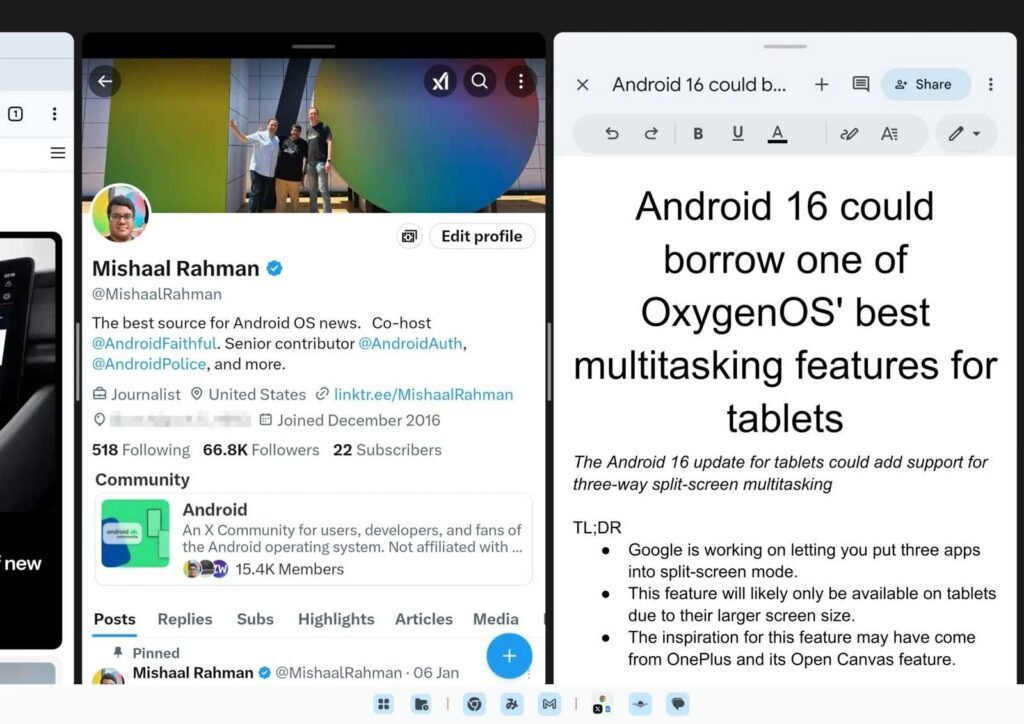
The iPad has undisputedly been the king of tablets for quite a while, but new rumors on Android 16 hint that Android tablets might just give it a run for its money, at least in terms of productivity. Some features that have been discovered on the developer preview of Android 16 are indicative of a multitasking revolution that could take the best Android tablets up a notch. Triple Split-Screen Multitasking System Google is reportedly working on a triple split-screen multitasking system for Android tablets, taking inspiration from the innovative OnePlus Open Canvas. This system, first introduced with the OnePlus Open foldable device in 2023, allows users to run three apps simultaneously. While two apps take most of the screen space, the third app sits in a smaller section to create a seamless multitasking experience. During the second developer preview of Android 16, Mishaal Rahman of Android Authority found a new setting option entitled “flexible split-screen mode.” While still a bit rudimentary, it allowed a window to be dragged into split-screen mode and then placed in one of three positions. This suggests that Google has planned for three apps side by side all along, which would go a long way toward making tablets more usable. App Pairing Boosts Productivity This new split-screen functionality is expected to work well in conjunction with the app pairs feature of Android, allowing users to save specific app layouts for rapid access. Furthermore, Android 16 wants to let users have a more natural and tablet-native multitasking experience. It also works as a simpler counterpart to the windowing system on desktops that was unveiled in Android 15, where additional setup usually is required, and it can be better carried out on desktop-like displays. Lessons from OnePlus Open Canvas OnePlus Open Canvas set a new benchmark for multitasking when it launched with the OnePlus Open foldable and later appeared on the OnePlus Pad 2 tablet. It allows three apps to remain open in a swipeable carousel. The edge of the third app is always visible, making it easy to switch between them with a simple swipe. This makes multitasking on larger screens much more practical, and Google seems to be taking a page from that book for its triple split-screen mode. The feature will probably stay exclusive to larger devices like tablets and foldables since it won’t translate well to smaller phone screens. A Leap Forward for Android Tablets If Google can pull this triple split-screen multitasking system off with Android 16, then it could mark a redefinition of the Android tablet experience. Already, current tablets like the Galaxy Tab S10 series and the Redmagic Nova gaming tablet sport impressive hardware, but better software-level productivity features might make them a fairer fight against Apple’s iPad lineup. Conclusion The potential introduction of a triple split-screen mode in Android 16 signals a major leap forward for Android tablets. By enhancing multitasking and productivity, Google could position its tablets as serious contenders in the productivity space. While dethroning the iPad remains a tall order, innovations like this bring Android tablets one step closer to achieving the impossible. Source & Image: Android Authority
Gemini 2.0 Experimental Advanced Is Now On iOS And Android
Google’s latest Gemini 2.0 Experimental Advanced model, till now restricted to web browsers, has finally opened up on the Gemini app to Android and iOS users. The new development is crucial because it finally means that users will be able to experience this advanced AI right from mobile handsets. According to reports that came in from 9to5Google, Gemini-Exp-1206, as it is officially known, brings broadened abilities in managing complex work like advanced coding, multi-step math problems, and writing instructions with several steps. These updates would surely provide a lot of convenience and speed for professional and technical users who need great precision and efficiency. Features and Performance Gemini 2.0 Experimental Advanced was quick to set the pace and currently leads on the Chatbot Arena LLM leaderboard. It is very efficient at solving elaborate challenges, making it perfect for creating complex business plans and dealing with technical issues. However, there are some noticeable limitations: first, the model does not allow real-time access to information, and second, it is unable to upload files, which may limit its use in specific situations. Despite these disadvantages, its enhanced capabilities make it a very powerful choice for those users who need high-performance AI applications. How to Access the Model This model is currently available to subscribers of the Gemini Advanced plan using the model switcher at the top of the Gemini app. Options now available in the app include: 1.Gemini 1.5 Flash 2.Gemini 1.5 Pro 3.Gemini 2.0 Flash Experimental 4.Gemini 2.0 Experimental Advanced Worth noting is that the app defaults back to Gemini 1.5 Pro on closure, meaning users have to go back in every time to select the new model. If the updated model does not appear for Android users, one quick solution is to force stop the app and restart it. Subscription Costs and Availability Gemini 2.0 Experimental Advanced requires a premium subscription of $19.99 a month. Since the model is still in its experimental stage, Google has not said when it will roll out as the default for those subscribing to Advanced. It’s just a single-model app so far – the Gemini 2.0 Flash, and it remains unclear whether the new revision would switch to Gemini 2.0 Advanced or will go by another name. Challenges and Future Outlook As Google continues to fold this potent AI into its ecosystem, questions about competitiveness remain. The inability to access real-time data and upload files will likely make it less desirable than other AI platforms. Nevertheless, Gemini 2.0 Experimental Advanced marks a significant step ahead in AI technology and showcases Google’s commitment to pushing the boundaries of what these systems can achieve. For now, this model gives a glimpse into the future of AI and promises robust tools for professionals, with room for further refinement and innovation. Source & Images: 9to5Google
Google CEO Teases New Gemini AI Features For 2025

Good Omen to Start the Year Google’s chief executive, Sundar Pichai, kicked off 2025 with an optimistic New Year’s note to staff, reflecting on the company’s progress with AI. Reflecting on the phenomenal end to 2024, he credited that success to groundbreaking projects like Gemini 2.0, Willow, and Veo 2. In his message, Pichai underlined that Google is determined to stay ahead of the AI curve, and this year is going to be no exception. AI Milestones and Upcoming Features Pichai underscored Google’s growing leadership in AI technology by mentioning several new features coming to shape the user experience in 2025. Let’s look at some of these in detail: Daily Listen Currently available on Test in Search Labs, Daily Listen is a personalized podcast feature. As such, it aims to curate a playlist of content based on the user’s liking. By deeply understanding how users behave, this tool will promise to tell users stories that fit their taste for a more engaged listening experience. Gemini 2.0 Flash In January, the company is releasing Gemini 2.0 Flash, an update to its platform for developers. The update brings many features to consumers with the improved Gemini app and a set of new, experimental capabilities accessible only by paying subscribers. NotebookLM Plus Another release to watch out for is NotebookLM Plus, which will be rolled out to Google One subscribers sometime in early 2025. This tool allows users to have AI hosts interact directly with them using voice overviews for a new kind of collaboration across individuals, teams, and organizations. First previewed last December, the feature is part of Google’s effort to introduce AI into professional workflows. Greater Integration of Gemini He also reiterated that Gemini 2.0 will integrate more deeply into core Google products such as Search and YouTube, among others. Such a development would make features such as YouTube recommendations even more relevant to its users, thereby changing the ways of discovery altogether. Supporting Wildfire Relief Not to diminish any of the new innovation excitement, Pichai first acknowledged the challenges brought by the southern California wildfires that have affected thousands of Googlers. Google opened an employee matching program in support of relief efforts and promised more funding through its philanthropic arm, Google.org. The company has also activated SOS alerts and real-time road closure updates on Maps and Waze to help the communities affected. Grateful and Looking Ahead Pichai concluded his message by thanking employees for making 2024 an extraordinary year for Google. While there were no updates on the highly anticipated Pixel 10, the focus on Gemini and AI improvements is a good omen for the company in 2025. With projects like Gemini 2.0, among others, in place, Google continues to set the stage for when AI will be even more integrated into daily life. Source
One UI 7 To Offer AI-Powered Call summarize Feature
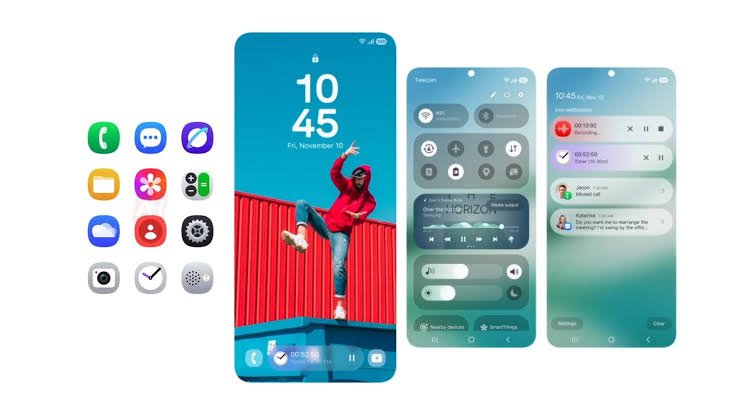
The tech giant is reportedly preparing to roll out its much-awaited One UI 7, promising an all-new revamp in design and functionality. In addition to its sleek interface, Samsung plans to integrate some of the latest AI features to set a new benchmark for mobile experiences. According to reports, the stable version for the Galaxy S24 is still missing those AI-driven tools, but these will be featured in the beta version. AI-Powered Call Summaries in One UI 7 The most exciting development on One UI 7 is probably the introduction of call summaries. This feature has been inspired by Google’s Call Notes on the Pixel 9 series. Android Authority, doing an in-depth teardown of Samsung’s Voice Recorder app, indicates that this will use AI to summarize key points from phone conversations. However, in order to get call summaries, users must first enable call transcription, another new capability arriving with One UI 7. How Call Summaries Work By default, the call summaries for Samsung will process transcriptions through the cloud, so it will be quick and accurate. The company also states that no data will be stored upon finishing processing. For those concerned about privacy, there is also an option for on-device processing. It’s even nearer to the Google Call Notes, which employs the power of the Gemini Nano AI for detail extraction from conversations. But it could even surpass in terms of accessibility since Google Call Notes supports only English and is accessible only in the U.S., while its Live Translate already does support multiple languages. It might be a call summary one gets in One UI 7 to access a much broader audience. Device Compatibility and Availability The feature is currently available on Samsung’s Voice Recorder app, but it is not clear if it will be extended to other devices besides the flagship models like the Galaxy S25. Premium models already in the market, such as the Galaxy S24 and Z Fold 6, will also get the feature through updates. When to Expect One UI 7 Samsung has confirmed to unveil One UI 7 in its stable version on January 22, 2025, at its speculated Unpacked event for the Galaxy S25. Little is known about what the phone will offer, but probably at this event, this UI will be much more open about its AI capabilities, as well as its other upgrades. A Competitive Advantage for Samsung The Samsung One UI 7 aims to outdo the likes of Google by providing features that are more versatile and globally accessible. Features such as call summaries and other AI-driven tools reflect the company’s efforts toward improving productivity and user experience. As Samsung integrates more AI capabilities into its ecosystem, One UI 7 may prove to be the turning point for Galaxy users who will enjoy a combination of state-of-the-art technology and smooth functionality. Its official launch is just weeks away, promising a glimpse into Samsung’s vision for the future of mobile innovation. Source Images: Android Headlines