
Apple to Release OLED MacBook Pro in 2026 Here’s What’s Coming
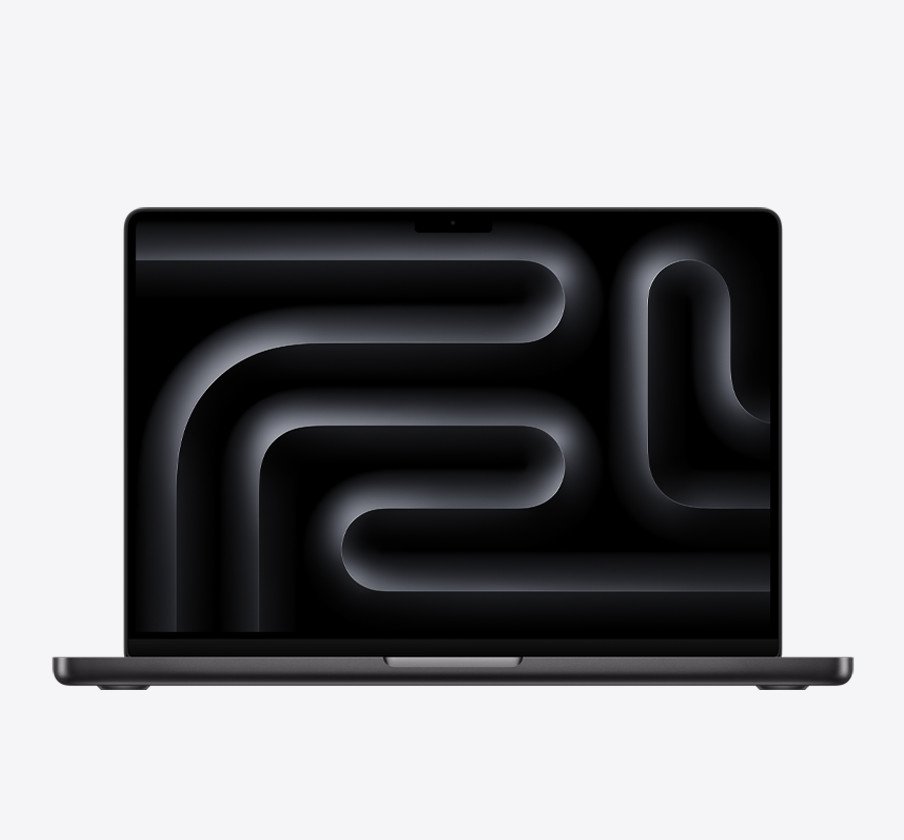
Apple has big things planned for the MacBook line and the OLED MacBook Pro is coming in 2026. This one will be a big change, no more notch at the top of the screen. But MacBook Air fans will have to wait longer for similar upgrades as the OLED Air isn’t coming until 2028 and even then it won’t have all the features the Pro model will have. OLED Timeline: MacBook Pro vs. MacBook Air Omdia has Apple’s display upgrade roadmap through 2030 and it shows which products will get OLED first. The MacBook Pro will lead the way with the OLED version coming two years before the Air. The Pro will get a hole-punch display, no more notch. The Air will keep the notch, but it might be slightly smaller. This delay and differentiation is Apple’s way of keeping the Pro models ahead in design and performance. The OLED upgrade will bring deeper blacks, better contrast ratios and better power efficiency. But the Air’s notch and other limitations will keep it below the Pro in the product stack. What’s Special About the OLED MacBook Pro? Apple removing the notch from the MacBook Pro is part of a bigger trend to refine its premium products. The OLED Pro will have a hole-punch display, which is what Apple is doing with all its modern devices. This makes it look better and also makes the Pro model more distinct from the Air. By offering the notch-free design first, Apple is making the MacBook Pro the device of choice for those who want the latest and greatest. MacBook Air Future The OLED Air won’t come until 2028 but it will still be a big upgrade over the current LCD models. The OLED display will have deeper blacks, better color accuracy and better power efficiency so it will be a great device for everyday users. But Apple’s strategy to delay the hole-punch display for the Air model means the Pro will still be ahead. This staggered approach allows Apple to keep the high-end and mid-range products separate. OLED Coming to iPads Apple’s OLED upgrade isn’t just for MacBooks. The iPad mini 8 will get an OLED display in 2026 and the iPad Air in 2027. More evidence Apple is upgrading its whole product line with better displays over the next 10 years. Final Thoughts With a launch date set for 2026, the new OLED MacBook Pro is sure to be a game-changer in design and advanced features. Meanwhile, the MacBook Air will eventually join the OLED club but will stop short of some of the premium features found in the Pro line. This Apple staggered upgrade strategy assures that the Pro remains the flagship for users who demand the best of the best.
Apple Originally Planned for an Even Smaller Mac mini, But Cooling the M4 Pro Posed a Challenge

Apple‘s redesigned Mac mini is an ambitious attempt at a balance between compactness and performance. While Apple did toy with the idea of making the Mac mini even smaller, it was challenges with thermal management and performance constraints of the high-powered M4 Pro chipset that have shaped its current design. Despite this, Apple has managed to pack remarkable technology into its latest model. The Balancing Act: Power vs. Size In an interview with Fast Company, Apple’s Vice President of Hardware Engineering, Kate Bergeron, and marketing executive Sophie Le Guen highlighted the complexities of designing the Mac mini. According to AppleInsider, the engineering process was a delicate balance between creating a compact form factor and ensuring the machine could handle the demands of advanced Apple Silicon processors. Ultimately, perfecting the cooling system was the key to having this M4 Pro variant. And what the team had to ensure was a proper dissipation without adding to the noisiness. She also suggests that if the Mac mini were solely designed for the less-powerful M4 chip alone, Apple might have managed with an even smaller chassis. Clever Engineering: Cooling and Space-Saving Innovations At once, the engineering genius behind the Mac mini is a triumph: to save space, it developed a unique cooling system that includes a spiraling heatsink and separated the secondary motherboard for wireless connectivity chips. These innovations thus managed to balance performance with maximum internal efficiency without compensating one for the other. Equally remarkable is how Apple reimagines the power supply unit. Components line up horizontally, and cutouts are etched out on the tiny PCB for the sole purpose of efficient usage of that small area. That might be costly and actually represents just another area in which the company reinforces its penchant for smaller, better-engineered computers. Yet the base-model Mac mini remains reasonably affordable: it’s priced at an aggressive $599. Best Bang for Buck What has helped the Mac mini gain the top slot in the market is its high-end performance for the price. With affordability on one side and power supplied through the M4 and M4 Pro chipsets on the other, it’s certainly leading the compact desktop category. As Bergeron made sure to note, none of the competitors can touch this price-to-performance value of the Mac mini. Mac Mini Special Offers That is good news for people in the market to buy a Mac mini. Amazon has slashed prices for the latest models of Mac minis. For only $579, one could get the base model fitted with 16GB of unified RAM and a 256GB SSD. The 512GB model option that strikes a decent balance between storage and performance is also currently available at a price of $744. Conclusion: A Small PC with Big Capabilities The new Mac mini shows how far Apple can push the envelope in design and engineering. The company has managed to strike a balance between size, performance, and price, targeting not only casual users but also professionals. Now is the best time to bring home one of these innovative machines with its current discounts.