
Foldable iPhone And MacBook Will Soon Become A Reality
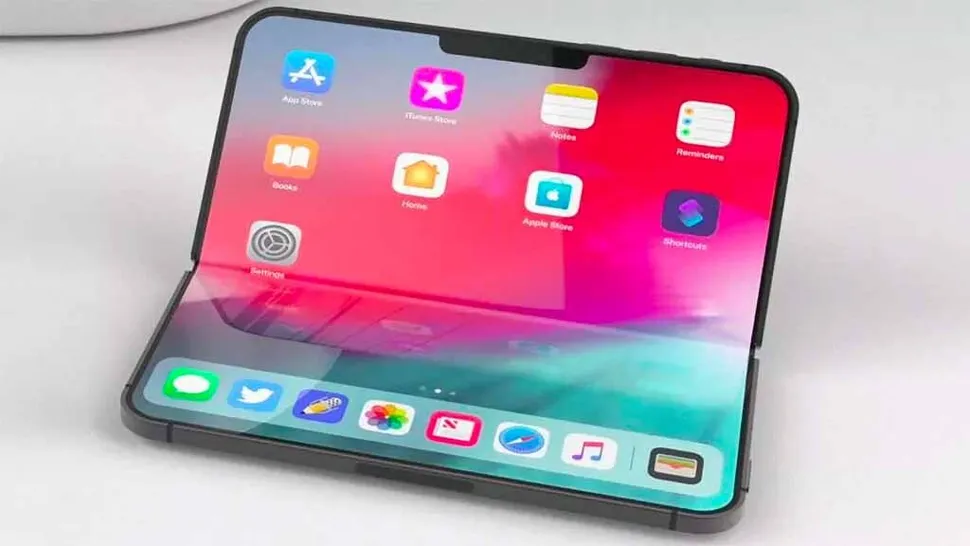
While Samsung and Google have already introduced the world to their foldables, Apple has not yet introduced its variant of the foldable iPhone. In recent reports, though, it was said that Apple is actively working on selecting a display supplier for its upcoming foldable device. But Apple seems to be treading a little more cautiously than others, trying to iron out the durability woes and sidestep some of the more oft-voiced issues with foldables: display creases. Apple’s Quest for a Supplier of Displays According to the report from Naver blog account “yuex1122,” sources close to Apple’s supply chain have revealed that the company is in the final stages of selecting a key supplier for foldable displays. Apple has already set strict technical requirements for the display to make sure it is up to industrial standards in terms of thickness, size, and curvature. The company, however, aims to improve durability and the prevention of creases, issues plaguing foldable smartphones of other brands. There are rumors that some of these display manufacturers have made very good progress to meet the strict standards of Apple. Apple will reportedly choose the final list of suppliers between February and April this year. Though Apple has been working on a number of foldable devices including foldable MacBooks, this development appears related to the foldable iPhone. Possible Foldable iPhone Launch Timeline Ming-Chi Kuo, one of the well-recognized analysts for displays, suggested that the foldable iPhone for Apple was at a pretty rudimentary stage of planning. Of course, internally, Apple did not confirm a timeline; some industry reports speak of the 2025 to 2027 timeframe. Just recently, The Information also suggested that Apple has been working on a clamshell-style foldable iPhone similar to Samsung’s Galaxy Z Flip series and that such a product might be introduced next year. Foldable MacBooks Apple is also reportedly working on the integration of foldable displays into its MacBooks. According to reports, Apple is preparing a foldable MacBook with a 19.5-inch large screen. Details about the exact form factor or functionality are yet to be defined, but as always, it seems that eliminating display creases that can hurt the user experience remains the chief concern for Apple. Apple: Late to Foldables Meanwhile, Apple is taking a rather conservative approach to foldable technology. For several years, Samsung has dominated the foldable smartphone market, while Google recently joined the race with its Pixel Fold lineup of devices. Both are iterating on their designs with each successive model. With Apple’s entry into this segment, there are several questions as to how it will make a difference and whether the foldable devices will offer some sort of value that the current models cannot provide. What to Expect from Apple’s Foldable iPhone Given Apple’s reputation for innovation and quality, there’s a good chance that when it does release a foldable iPhone, the technology will be cutting edge and the user experience will be seamless. If Apple can overcome some of the more prevalent problems with foldable smartphones, such as durability and display creases, its eventual entry into the market could raise the bar. But with competitors already well ahead, it’s unclear whether Apple’s late arrival will change the game or simply be another option in an increasingly crowded category of foldable smartphones. Source Image: EverythingApplePro
iPhone SE 4 Dummy Shows Similar Design As The iPhone 16
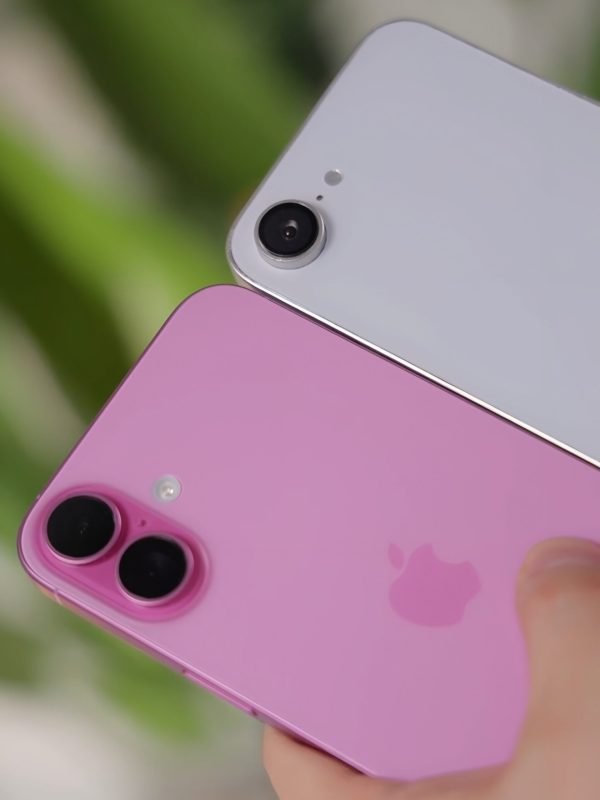
Apple is getting ready to launch the much expected iPhone SE 4, and rumors and leaks have painted a picture of an affordable phone with premium features. Earlier, there was a thought that it would look similar to the iPhone 14, but the latest buzz says it will be more like an iPhone 16, even offering a Dynamic Island. Here’s what we know so far. Design: Old Melds with New There have been reports that the design elements of the iPhone SE 4 will be carried over from the iPhone 16, though a bit smaller with a 6.1-inch display. The leaked images and dummy units suggest a very similar form factor as the iPhone 16, with some major differences. And one of the more striking design modifications is a thicker camera ring: Where the higher-end models feature either dual or triple-camera setups, the SE 4 uses a single rear camera. This lens sticks out somewhat uncomfortably compared to the camera bump on the iPhone 16. While the glass plateau surrounding the cameras on the iPhone 16 is slightly raised, for example, the SE 4 employs a simpler enclosure, which may partially explain the pronounced thickness of this lens. Dynamic Island: Game-Changer for the SE Lineup? One of the most exciting rumors surrounding the iPhone SE 4 involves the inclusion of Dynamic Island. This would replace the smaller notch from earlier SEs and would be a feature that has been given to premium models previously. If it is true, though, this will bring into the firm’s budget-friendly device a modern, dynamic user interface that furthers the bridge between the SE line and flagship models. Performance: Powered by A18 Chip The iPhone SE 4 is said to be powered by an Apple A18 chip, promising a bump in performance and efficiency. This chip will no doubt ensure seamless multitasking, playing games seamlessly, and supporting Apple Intelligence, thus making the SE 4 one of the strong options for those users seeking high performance without breaking their wallets. Camera: A Single Lens with a Big Presence But the single rear camera of the SE 4 is shaping up to be a capable shooter. Given the prominent camera ring, Apple could double down on sensor quality instead of additional lenses. Until launch day, all details about camera capabilities are, however, just speculations. Does It Feature an Action Button? Another point of speculation is the inclusion of an Action Button. Various reports have surfaced, stating that this may replace the traditional Mute Switch, with a multi-functional button; however, confirmation is yet to be given. Conclusion: A Budget-Friendly Powerhouse The iPhone SE 4 could be an interesting option for those looking for a more affordable phone without too many compromises in performance. The rumored design refresh, Dynamic Island, and A18 chip may finally give the budget smartphone segment an all-new meaning. However, some compromises, like the single camera, may not be good enough for some users. More on that as Apple readies the launch of the iPhone SE 4 in the following months. Source & Images: Majin Bu
iPhone SE 4 Dummies Leaked In Two Colors
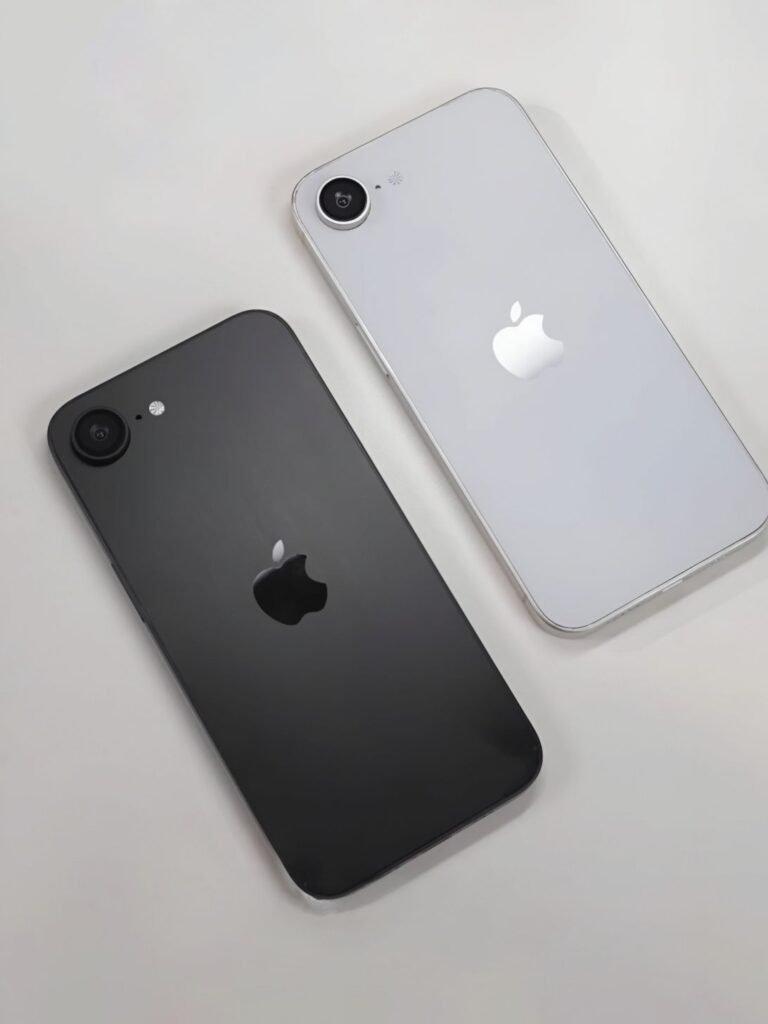
Apple is all geared up to unveil its new-generation affordable smartphone, the iPhone SE 4. Early images of dummy units give an overview of what to expect in terms of design and features for the upcoming model, suggesting major upgrades both inside and outside. Let’s have a closer look at what the iPhone SE 4 has in store. Design Upgrades: Flat Edges and Larger Display While past SE models reused previous chassis designs, the new iPhone SE 4 adopts a flat-edged shell with a larger display akin to the iPhone 16. This naturally makes the model closer to Apple’s current design language, keeping the price at an affordable point. Images of dummy units in two colors show a sleek, minimalist look. In spite of these upgrades, some cost-cutting measures are quite apparent. The camera setup will be pretty basic: a single sensor in the front and back. While this will make the device at a disadvantage in photography when compared to the premium models, it keeps the price within reach of budget-conscious buyers. Powerful Internals: A18 Chip and 8GB RAM The new iPhone SE 4 will come with powerful hardware under its hood. The upcoming model is tipped to run on Apple’s A18 chip, the same chip driving the iPhone 16. With this chip, accompanied by 8GB of RAM, the configuration positions the iPhone SE 4 well for advanced features, including the generative AI tools of the Apple Intelligence ecosystem. This hardware leap ensures that the device will provide a seamless user experience, even if it lacks some of the premium features found in higher-end models. A Cost-Effective Camera Setup One notable compromise is the simplified camera system. With just two sensors—one on the front and one on the back—the iPhone SE 4 will be a disappointment to photography enthusiasts. However, Apple’s strong software and ecosystem will offset this, allowing users to do more through computational photography. Apple’s First Custom 5G Modem The iPhone SE 4 could also be the first Apple device to boast an in-house 5G modem. This would, in essence, reduce dependence on the pricey baseband chips from Qualcomm and showcase the progress Apple has made in developing its modem technology. If things go according to plan, this will open the doors for more budget-friendly and integrated solutions across the Apple product range. Launch in April According to different industry sources, the iPhone SE 4 is likely to be announced this April. With its modern design and powerful internals, combined with an affordable price tag, it is bound to fare very well in the mid-range smartphone market. Conclusion: A Balanced Upgrade Losing some features like advanced camera systems, SE4 makes up for with a powerful processor, ample RAM, and modern design. Adding to that luster, Apple has also included a custom 5G modem in this device to make top-shelf connectivity more available at a lower price. Source & Images: Majin Bu
iPhone 17 To Feature Same-Sized Dynamic Island
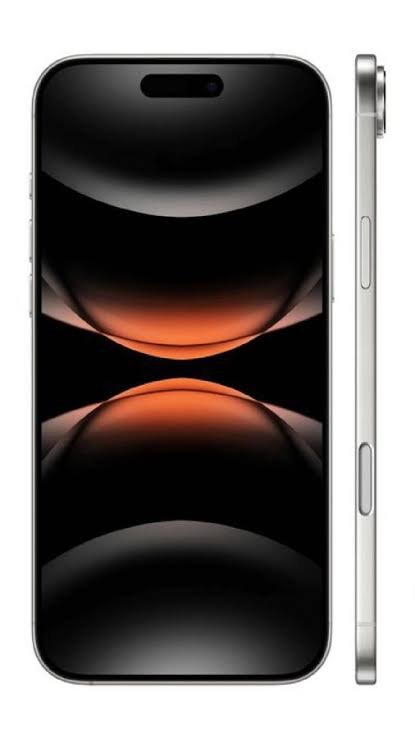
The iPhone 17 is generating a lot of buzz with new innovations and upgrades. Some design elements will remain the same, like the camera module and Dynamic Island. But the rumored iPhone 17 Air is getting all the attention as the star of the show. Here’s everything we know so far about the iPhone 17 and the game-changer, iPhone Air. Dynamic Island Stays the Same Unlike earlier rumors, the iPhone 17 models won’t have a smaller Dynamic Island. According to Apple analyst Ming-Chi Kuo, it will be “essentially the same”. The latest news is bad for users who thought a smaller notch would bring Apple closer to its goal of an all-screen iPhone. Dynamic Island, first introduced in 2022 with the iPhone 14 Pro, replaced the notch with a more compact and useful design. While it’s less obtrusive and has new features, Apple’s end game is to get rid of the cutout altogether. For now, the current design will stay. Conflicting Reports on Dynamic Island According to earlier analyst Jeff Pu, Apple was supposed to shrink the Dynamic Island on the iPhone 17 Pro lineup by using a new “metalens” technology in Face ID. The supposed benefit of this would be to have a cleaner front screen and more screen real estate but if they’re using the same tech as the iPhone 16, that won’t happen till future updates. The Vision of an All-Screen iPhone It’s with this long-term goal of what an iPhone could be-not having any notch or cutout-that the iPhone 17 doesn’t even get to achieve. Smaller Dynamic Island updates in the future models could be the stepping stone to getting there. iPhone 17 Air: A Thin and Innovative Model One of the most exciting things about the iPhone 17 lineup is the iPhone 17 Air. This new model is rumored to be thinner than any iPhone ever, potentially under 6mm thick. If true, that’s a big design win and puts the Air in direct competition with the Samsung Galaxy S25 Edge. Apple iPhone Air will likely have Apple’s own 5G modem. It may not be a performance monster on day one but Apple has a history of improving its tech — think M-series chips. Eventually its custom modem will be a key differentiator for the company. What’s Next for Apple’s iPhone Lineup? The iPhone 17 lineup, especially the Air, promises new things while keeping some of the old flavors. In fact the unchanged Dynamic Island may disappoint some fans but the thinner model with new hardware may raise the bar for the iPhone as a whole. Source
iPhone Air Design Leaked!!!
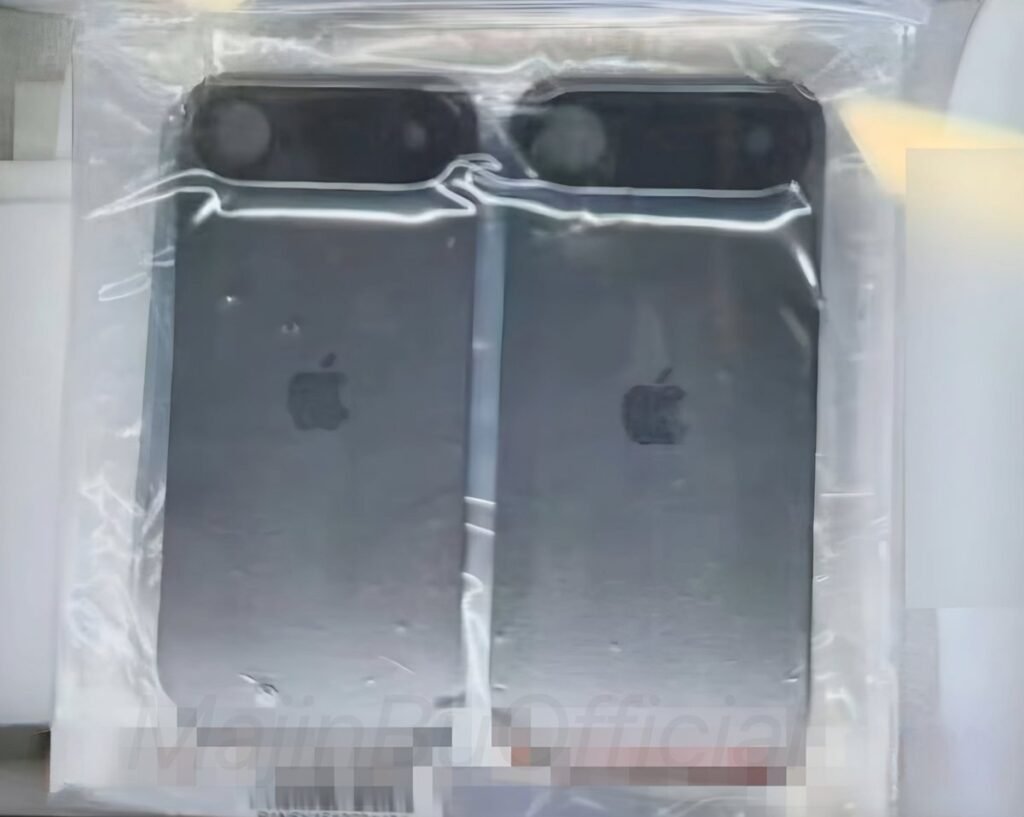
A well-known leaker, “Majin Bu,” recently published a blurry picture of much-talked-about ultra-thin iPhone 17 Air that has been expected for Apple’s upcoming lineup. The pixelated image shows a pair of iPhone rear shells showing a pill-shaped, raised camera bar. This camera bar features a round cutout for a single rear camera on the left side, with an LED flash and a microphone hole on the right. If legit, this design fits well with what was expected for the iPhone 17 Air, which is the only model in the lineup said to feature a single rear camera. While similar rumors about the fourth-generation iPhone SE have surfaced, the elongated camera ridge shown in the leak is not consistent with the SE’s expected design. Authenticity in Question But let’s be skeptical here, thanks to AI-generated images and fake devices. So far, the image is leaked and it could very well be a hoax. Majin Bu has mixed history when it comes to leaking. He accurately predicted that the color for the iPhone 16 Pro was going to be “Desert Titanium” months before the launch. At the same time, Majin Bu has claimed some things that proved to be untrue, like an iPad 11 released in 2023. Interestingly, the elongated camera bump design has been rumored for other iPhone 17 models, including the Pro versions, suggesting it could become a signature feature of the entire lineup. Apple is expected to announce the iPhone 17, iPhone 17 Air, iPhone 17 Pro, and iPhone 17 Pro Max in September. iPhone 17 Air: The Thinnest iPhone Yet According to the renowned Apple analyst Ming-Chi Kuo, the iPhone 17 Air will be the thinnest device ever from Apple, measuring just 5.5mm at its thinnest point. Importantly, Apple’s measurements do not include the rear camera bump, so the overall thickness might be slightly different. This ultra-thin design will come with trade-offs. The iPhone 17 Air is expected to feature: A single rear camera A single speaker No SIM card slot globally An A19 chip instead of the A19 Pro found in higher-end models A smaller battery due to size constraints Advanced Features Despite Limitations Despite its minimalist design, the iPhone 17 Air will reportedly offer some advanced features, including: *6.6-inch OLED display with Dynamic Island. *Face ID capabilities. *8GB of Apple Intelligence-enhanced RAM Rival Designs Introducing the camera bar will more often than not remind people of current Android devices, such as Google’s Pixel 9, that include a similar design. The iPhone 17 Air would, therefore, go one step further into being bold, thinner than its brothers from the iPhone 17 series. With an exciting leaked image and rumors, no one is quite so sure if the latter actually is what it promises to be. So far, all of that would make the Apple enthusiasts hold for the September presentation date. Source
iPhone 17 Air Will Be Thinner Than Previously Anticipated

A Thin Replacement for the Underperforming iPhone 16 Plus Apple is reportedly working on an iPhone 17 Air, an ultra-thin version that will replace the underperforming iPhone 16 Plus. It is not a lonely move from the company, as it once attempted refreshing its lineup by replacing the ill-received iPhone Mini with the Plus variant. The iPhone 17 Air will be Apple’s thinnest phone yet, even beating the 6.9mm thickness of the iPhone 6. More recent rumors-including those from prolific analyst Ming-Chi Kuo-indicate that it could go as low as 5.5mm at its thinnest point, pushing the boundaries of phone design to a whole new level. Challenges of Ultra-Thin Design That’s no small achievement, and rumor has it Apple has been dealing with some design issues to make this extreme thinness possible. Kuo says that this minimal thickness can be so less that it could allow the utilization of eSIM technology only since there would not be enough room for a physical SIM card slot. While this technology is more common in the U.S., that is not necessarily the case globally, which may raise more issues for Apple internationally. But the “thinnest part” terminology used in the leaks suggests this 5.5mm thickness may not apply to the entire device, which probably means the phone will sport a camera bump, a common design element in modern smartphones. For context, the iPhone 16 measures 7.8mm at its thinnest point, but the camera bump brings the overall thickness to 11.28mm. If the iPhone 17 Air follows a similar pattern, that camera protrusion could make the device a fair bit thicker even if the base design remains ultra-slim. Rumored Features and Sacrifices To achieve this slim profile, the iPhone 17 Air will reportedly use only a single rear camera lens, compared to the dual- and triple-lens arrangements that have dominated most recent iPhones. That’s cause for some concern, but Apple has managed to deliver great 2x zoom on non-Pro models using advanced pixel-binning technology in the past. But the sacrifices may not stop at the camera. Kuo thinks the iPhone 17 Air will have “downgraded components paired with a high price.” That’s a mix that could make the device less attractive to consumers, especially if performance or features are noticeably sacrificed. Price and Availability This ends those very early rumors that had the iPhone 17 Air as Apple’s most expensive handset. Instead, it appears the device will slot in for the $899 iPhone 16 Plus within Apple’s lineup. Of course, that still leaves open the possibility of a general price hike across all iPhone models in 2025. The iPhone 17 Air is rumored to be announced in the latter half of 2025, which perfectly fits into Apple’s usual September releases. If all goes well, it could bring a whole new perspective to ultra-thin smartphone design, but it has yet to be seen if its compromises balance out its innovative form factor. Conclusion The iPhone 17 Air is perhaps Apple’s boldest attempt at making an ultra-slim smartphone. Although its innovative design may garner some attention, challenges like reduced features and the limited adoption of eSIMs will likely dampen its success. As the tech world awaits further details, one thing is for sure: the iPhone 17 Air could be the beginning of a whole new era in how Apple approaches the design of its smartphones. Source
iPhone 17 Pro: Smaller Camera Sensor and New Design Leaked
iPhone 17 Pro – Camera Sensor Changes Future models of the Apple iPhone 17 Pro are rumored to sport a smaller primary camera sensor than the ongoing iPhone 16 Pro series. If a recent leak by the Weibo-based source Digital Chat Station is anything to go by, the upcoming models will pack a 1/1.3-inch sensor for the main 48MP camera in place of the 1/1.28-inch sensor utilized on the iPhone 16 Pro. The difference between the two sensor sizes is relatively minor. The 1/1.28-inch sensor is a bit larger, but the real-world effect on everyday photography will be negligible. Apple will very likely adopt other enhancements in the camera system to ensure that overall image quality remains the same or even improves. Three 48MP Cameras for the First Time Other changes to come with the iPhone 17 Pro series is an unprecedented trio of 48MP cameras. This update will offer more flexibility to end-users across a variety of photo and video shooting tasks, allowing users to have higher-resolution experiences from capture to creation. Why the Smaller Sensor? A possible reason for a reduced sensor size may be due to space constraints that come with the redesigned camera bump. The rumor claims that Apple will move away from the glass camera bump utilized in the predecessor and settle for an increased, aluminum rectangular-style camera bump on the upcoming iPhone 17 Pro variants. Reports from sources in the supply chain and leaks out of China point to a new camera bump, oval-shaped and elongated, with a smoother transition to the rear cover. Given the design change, a smaller sensor may be used to fit the updated module in the compact form factor of the device. Design Overhaul: A Return to Aluminum The iPhone 17 Pro design changes by Apple are part of a broader return to using aluminum in its construction. The move is expected to make the device more durable and visually distinct from previous models. With the larger camera bump, combined with the aluminum material, this may offer a premium look and feel while improving heat dissipation for better performance. Launch Timeline and Expectations The iPhone 17 series is expected to arrive in mid-September 2025, according to Apple’s traditional release schedule. With a smaller camera sensor, redesigned bump, and three 48MP cameras, the iPhone 17 Pro models promise a mix of innovation and refinement. Although the shrinkage in sensor size may raise several question marks for some, Apple’s history of balancing hardware and software improvements means these new devices will most likely perform excellently. The new design and advanced camera system are likely to appeal to photography enthusiasts and tech-savvy consumers alike. As the launch date draws closer, more details about the iPhone 17 Pro are likely to emerge, giving more insight into the next flagship lineup from Apple. Source
Apple’s Revolutionary iPhone 17 Air: The Thinnest iPhone Ever
Apple reportedly is gearing up to launch the thinnest iPhone ever produced by the brand, the so-called iPhone 17 Air, later this year. A new report by South Korean Sisa Journal revealed new information concerning the ultra-thin novelty that will rewrite the standards for modern design in the phone industry. Amazingly Thin But more than ever, this could finally see the iPhone 17 Air’s casing shaved right down to 6.25mm thick. That’s a long way from even the thinnest previous model – the iPhone 6 came in at 6.9mm. For comparison, it means the casing is 20% thinner than that of the iPhone 16 and iPhone 16 Plus. Compared to the Pro and Pro Max versions of the iPhone 16, the casings are actually 25% thinner. While most estimates peg the iPhone 17 Air around 6mm, other rumor sources take it down to as low as 5mm. If that happens, this would make the device one of the thinnest smartphones ever to hit the market and set a new benchmark in sleekness for mobile design. Price and Positioning Apple intends to position the iPhone 17 Air as a successor to the iPhone 16 Plus, which starts at $899 in the US. Surprisingly, the iPhone 17 Air is said to replace the iPhone 17 Plus in Apple’s lineup and become the company’s flagship slim model. This strategic move underlines how Apple is focusing on its innovative approach and meeting the demands of users who want a lightweight and compact smartphone but without compromising on the key features. Competition from Samsung It isn’t the only company that wants thinner smartphones in the lineup this year. Samsung is said to be working on its own, with claims of the Galaxy S25 Slim reaching mid-6mm thickness. The competition will really be hot between these two tech giants, with both striving to take precedence over their competitor for improved design and performance. Design and Specifications Although most of the information about the iPhone 17 Air’s design has still not been specified, some salient features could be viewed from the spec sheets: *6.6 inches for the screen *Processor- Apple A19 chip supports fluent performance *Single rear camera ensuring maximum simplicity in designing *Supported with the internal Apple 5G modem. *It will have 8GB of RAM to give an efficient way out for implementing artificial intelligence and related facilities in all areas of a Smartphone. These features do suggest that the iPhone 17 Air will cut some corners compared to the Pro models to achieve that revolutionary thin and light design. Release Timeline and Expectations Apple is reported to launch the iPhone 17 series, which includes the iPhone 17 Air, in September 2025. As with the releases, in the last months before such an event, there will be more leaks and rumors, hence a much clearer picture about what to expect will be shaped. The iPhone 17 Air is perhaps a bold attempt on the part of Apple to go well and truly beyond the limits of innovation, marrying an ultra-thin profile with a host of cutting-edge features. It will definitely turn the heads of technology enthusiasts and casual users alike. And with competitors like Samsung pushing the boundaries in terms of design, too, 2025 may be a very different proposition altogether. As anticipation builds, all eyes are on Apple to deliver a device that not only meets but exceeds expectations. Will the iPhone 17 Air truly redefine what a smartphone can be? We’ll find out this fall. Source
The Standard iPhone 17 Is Finally Getting 120Hz ProMotion Display
Apple is planning the biggest update for the iPhone 17 series to bridge the gap between standard and Pro models. The much talked about change is going to be an upgrade on the standard iPhone 17 model to further close the gap with Pro models in terms of display. This could be the biggest change for the company. Rumored Display Upgrades for the iPhone 17 Traditionally, Apple’s regular -model iPhones have always been behind the Pro versions in terms of display specs. A good example is that while the new iPhone 16 series has design changes in the form of a vertical camera module, it still has a 60Hz refresh rate display. But one rumor says the iPhone 17 will have a 90Hz or 120Hz refresh rate. A Weibo-based leaker, Digital Chat Station, says Apple might include ProMotion in the iPhone 17. This would be the first time Apple puts higher refresh rate displays in their base models, making the iPhone 17 a bit more competitive against the market. ProMotion for Standard Models The company’s ProMotion technology, limited to Pro models of iPhones, iPads and MacBooks, allows for a 120Hz refresh rate display for smoother scrolling and nicer visuals. Although this leaker didn’t confirm if it’s 90Hz or 120Hz panel, there have been hints from industry analysts – including Young himself – that maybe the whole iPhone 17 series has ProMotion. And they will also switch from LTPS to LTPO panels for all iPhone 17 models. LTPO screens can support 120Hz refresh rate and has a dynamic adjustment that can reduce the display refresh rate down to 1Hz if needed. Always-On Display and Other Benefits LTPO displays could also bring Always-On Display to standard model iPhones 17. Until now only on Pro phones this lets you quickly glance at time, notifications or other important info without waking the device entirely. LTPO displays also support variable refresh rate features like the StandBy feature that improves the user experience. This would also make standard iPhone 17 models more attractive to consumers and close the display gap that has been there between base and Pro models for too long. Price Add these to the standard iPhone 17 lineup and the question is, will the prices change? Apple uses the display as a differentiator between its base and Pro models. Close that gap and Apple may raise the price of the base iPhone 17 to match those capabilities. But it may want to further differentiate the Pros with higher refresh rates like 144Hz. That would keep a fine line of distinction between the products while offering big upgrades all around. Conclusion: The big moves are the ProMotion tech and Always-On Display that might be coming to the iPhone 17. Changes that will make standard phones more competitive may finally happen and this will be big for prices. Apple is still on the path of innovation so we’ll see how this will affect consumer behavior and market dynamics. For now, iPhone 17 looks good, premium features coming to the masses. Source
iPhone 17 Pro To Feature A Smaller Dynamic Island

Apple is about to change the iPhone game again with the iPhone 17 Pro series. From design changes to new tech, the new models are going to break the mold in the smartphone world. A Thinner, Lighter ‘Air’ Model The most exciting addition to the iPhone 17 lineup is the rumored iPhone 17 Air. This is going to be the thinnest iPhone ever made, thinner than even the iPhone 6 from 2014. Apple is targeting those who want a slim and light device without sacrificing performance. Dynamic Island Redefined The Dynamic Island, introduced with the iPhone 14 Pro, was a major departure from the traditional notch. While it’s been the same across the iPhone 15 and 16, Apple is planning a big update for the iPhone 17 Pro. Using Meta Lens technology, the Dynamic Island on the Pro models will shrink, making the front display more screen real estate. This allows the Face ID module to be smaller, making the device even more all screen. And the bezels will be thinner, for a stronger visual punch and to get us closer to Apple’s long term goal of an all screen device. All Screen iPhone Apple’s long term goal is to have an all screen device. That means getting rid of the Dynamic Island completely and removing all visible elements from the front of the device. To get there they need to perfect under display sensors and cameras. Those technologies are still in development but the iPhone 17 Pro is a step in that direction. Dual Finish Design The iPhone 17 Pro is expected to have a dual finish design with glass and aluminum on the back. That’s not only good for looks but also for wireless charging. Earlier rumors suggested a change in camera layout but Apple is sticking to the triangular camera module which has become a signature of the Pro models. Camera Upgrades Coming While the iPhone 17 Pro will have minor camera improvements, the big upgrades are saved for the iPhone 18. But the iPhone 17 will still have competitive camera features to keep up with Apple’s reputation. What’s New in the iPhone 17 Besides the Pro models, the standard iPhone 17 will also get a design refresh. Apple is trying to redefine the core iPhone experience and make it for the masses. The introduction of the iPhone 17 Air adds another layer of choice for users to pick from. Looking Forward The iPhone 17 series is a big leap for Apple as they continue to improve and perfect their products. From the thinnest Air ever to a more immersive display on the Pro models, there’s something for everyone. Source: MyDrivers