
Nothing phone 3 Will Be Powered By Snapdragon Processor

Nothing, the new smartphone brand from Carl Pei, is making waves again with rumors of new devices. Following the success of the Nothing Phone 2a in 2024, the company is said to be launching three new phones in 2025. These new phones, part of the Nothing Phone 3 series, will have big upgrades including Snapdragon processors. Here’s what we know so far: The Journey So Far: From Nothing Phone 2 to 2a Nothing has been making a name for itself in the smartphone space with its design philosophy and user experience. The Nothing Phone 2 launched in 2023 and set the tone with its glowy light rings and premium build. Then the Phone 2a arrived in early 2024 as a more affordable but feature packed option. The Phone 2a with the MediaTek Dimensity 7200 Pro chip was for users who wanted performance and affordability. Its success has led to the next phase of Nothing’s product roadmap. Leaked Models: What’s Coming in 2025? Recent leaks suggest Nothing will be adding three new models to its lineup. These devices were found in an IMEI database and here’s what we know: 1. Nothing Phone 3a (Model A059, codename “asteroids”) 2. Nothing Phone 3a Plus (Model A059P, codename “asteroids_plus”) 3. Second-Generation CMF Phone (Model A001, codename “galaga”) The naming follows Nothing’s previous pattern with the Phone 2a and 2a Plus. This means multiple options for different user needs. Key Features and Hardware Updates Processor Upgrade: Snapdragon One of the biggest changes in the Nothing Phone 3 series is the rumored switch to Qualcomm’s Snapdragon 7s Gen 3 chip. This is a departure from the MediaTek chip in the Phone 2a and the first-generation CMF Phone. The Snapdragon 7s Gen 3 chip will bring better performance and power efficiency to the new devices and differentiate them from many mid-range phones. Nothing is using Qualcomm’s chip to improve the user experience while keeping its design and features. Light Rings and Modular Design Nothing will probably keep the illuminated light rings for the 3a models. Those customizable LED strips have been a big hit, for notifications and futuristic look. CMF 2 will have a modular design. This will allow users to customize or upgrade some parts, more Nothing innovation. eSIM All three will have eSIM. More flexibility for users to manage multiple carriers or switch networks without physical SIM cards. CMF 2 The second CMF Phone, codenamed “galaga”, is Nothing’s wild side. Details are scarce but the CMF series is a testing ground for new ideas and features. The first CMF Phone had a MediaTek Dimensity 7300 chip, the move to Snapdragon could be a big performance boost. The modular design if true will be a game changer, a new level of customization in mid-range. Nothing Phone 3 With the Nothing Phone 3 series Nothing is going to solidify its position in the mid-range. By combining innovative design with more powerful hardware Nothing will differentiate itself from competitors that compromise on build or performance. The Snapdragon devices will appeal to users who want reliable performance and the illuminated light rings and modular design will be a unique selling point. Conclusion Details are not official yet but the leaks of the Nothing Phone 3 series looks promising. Three models in the pipeline, Phone 3a, Phone 3a Plus and CMF 2, Nothing is doubling down on its mission to disrupt the smartphone industry. Source
Samsung Announces New Sonic the Hedgehog™ PRO Plus Micro SD Cards
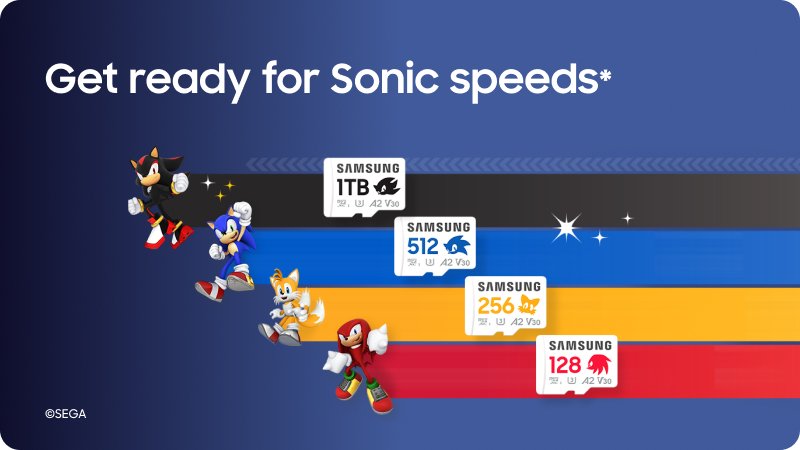
Gaming Fandom Storage Samsung has launched a range of micro SD cards inspired by the classic Sonic the Hedgehog franchise. In collaboration with SEGA, these Sonic the Hedgehog PRO Plus microSD cards are for the gaming fans who want to marry functionality with their love for the series. These cards give you more storage and ultra fast performance for gaming. Exclusive Designs of Fan Favourite Characters The Sonic the Hedgehog PRO Plus microSD cards come in four storage capacities, each with a favourite character from the franchise. The 128GB card has Knuckles in red, 256GB has Tails in yellow, 512GB has Sonic in blue and 1TB has Shadow in black. These designs give you a personal touch to celebrate your favourite character while you upgrade your storage for gaming, videos or other high performance needs. Performance and Design Beyond the designs, the Sonic the Hedgehog PRO Plus microSD cards are fast and reliable. For gaming consoles, smartphones and other devices, they deliver smooth performance for high resolution content and lag free gaming. Gamers get the best of both style and function with these special edition micro SD cards. Pricing and Availability The Sonic the Hedgehog PRO Plus microSD cards will be available in January 2025. You can buy them from Samsung’s official website and selected retailers. The cards are priced competitively, 128GB for $23.99, 256GB for $36.99, 512GB for $68.99 and 1TB for $125.99. A must have for Sonic Fans Samsung’s Sonic the Hedgehog micro SD cards are a mix of nostalgia and utility. Get your favourite design in January 2025. Happy gaming! “Samsung PRO Plus microSD cards provide gamers, content creators and more with an easy, reliable, and secure way to store large amounts of data – delivering Sonic-speed right to your fingertips,” said Jim Kiczek, Vice President of Memory Marketing at Samsung Electronics America. “Since debuting more than three decades ago, Sonic has become an icon of pop culture, featured in dozens of games, TV series, and movies. Now, with the Sonic the Hedgehog PRO Plus microSD cards, we’re combining the franchise’s instantly recognizable characters with the speed and reliability of Samsung PRO Plus microSDs to give your gear the ultimate Sonic boost.” Source: Samsung
Xiaomi Poco X7 and Poco X7 Pro To Be Powered By New MediaTek Dimensity 8400 Ultra chipset

Poco X7 Series: A First Look Xiaomi’s Poco X7 series has been in the news lately and new leaks are giving us a sneak peek into what to expect. Although the company hasn’t announced anything officially, render images and specs suggest the Poco X7 and Poco X7 Pro will be a big release. Here’s everything we know so far. Poco X7 and Poco X7 Pro Specs Tech leaker Paras Guglani shared the alleged spec sheets of Poco X7 and Poco X7 Pro. According to the leaks, Poco X7 is expected to be similar to Redmi Note 14 Pro 5G. Key features include Dimensity 7300 Ultra chipset and CrystalRes 1.5K AMOLED display for a smooth and colourful experience. Poco X7 might borrow battery and charging from Redmi Note 14 5G, so it should have good battery life and fast charging. But Poco X7 Pro takes it up a notch with Dimensity 8400 Ultra and 6,000 mAh battery. This huge battery will provide extra usage time, so Pro variant is perfect for heavy users. Xiaomi has confirmed Dimensity 8400 Ultra in Redmi Turbo 4, so Poco X7 Pro might be the global version of that device. Design and Display: What to Expect Render images of Poco X7 series show a sleek and minimalist design as per Xiaomi’s focus on design and functionality. CrystalRes 1.5K AMOLED display on Poco X7 will have good colours, sharp visuals and smooth scrolling. If these leaks are true, the display will set a new standard in its price segment. Poco X7 Pro design is still a secret but with its premium specs, it should look and feel great too. Global Launch Xiaomi hasn’t announced the launch date for Poco X7 series yet but the leaks suggest it shouldn’t be too far. Poco X7 Pro could be the global version of Redmi Turbo 4 so Xiaomi is gearing up for a global launch. But the exact timeline is unknown. Verdict: A Good Poco Poco X7 series is looking good. With new chipsets, advanced display and long lasting battery, these will appeal to many users. More leaks and we are getting more excited about Poco X7 and Poco X7 Pro. If Xiaomi delivers on these specs, Poco X7 series will be a strong contender in mid-range segment. Stay tuned for official updates as Xiaomi prepares to unveil its next-generation Poco devices. Source
Basic Apple iPad To Launch In 2025 Without Apple intelligence
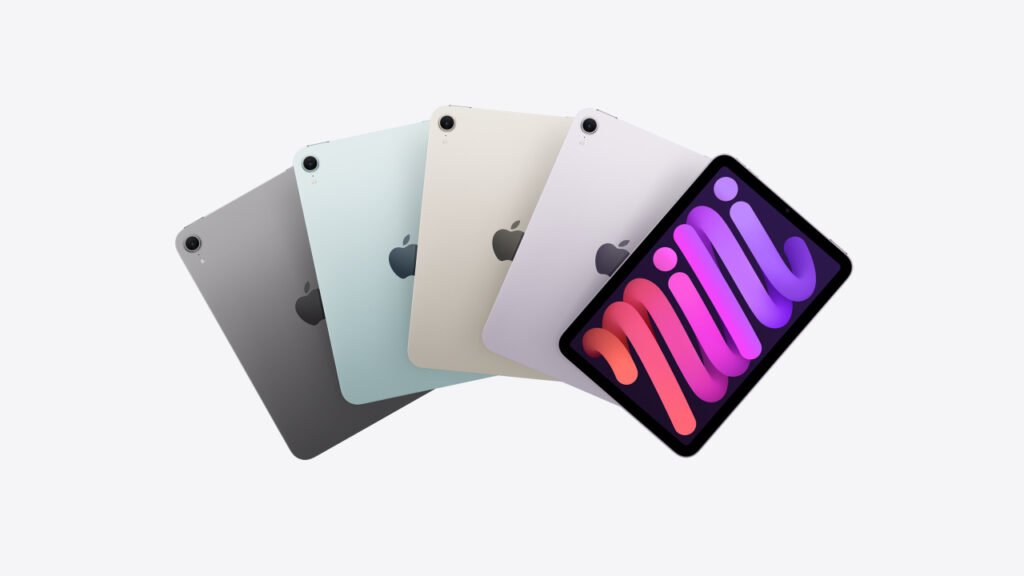
Introduction Apple fans were expecting a dual announcement of the iPad mini 7 and the entry level iPad in October. But Apple only announced the iPad mini 7. This is part of Apple’s plan to roll out Apple Intelligence across the product line. With the iPad mini 7 now the most affordable device with iOS 18, attention turns to the entry level iPad in Spring 2025. iPad mini 7: AI Ready Tablet for the Masses The iPad mini 7 is the first step in making advanced features more affordable. With an A17 Pro chip and 8GB of RAM, it meets the hardware requirements for Apple Intelligence. iOS 18 brings AI driven features to enhance the user experience. But will the entry level iPad follow suit? Entry Level iPad Challenges The entry level iPad has a tough act to follow. If Apple puts the A17 Pro chip and 8GB of RAM in the new iPad, it would be essentially the same as the iPad mini 7 and make the latter redundant. If they put the A16 chip in the entry level iPad, it would limit its Apple Intelligence features and raise questions about feature consistency across devices. Apple Intelligence: Hardware Matters Apple Intelligence is the foundation of iOS 18 and requires robust hardware to work. The A17 Pro chip and 8GB of RAM seems to be the minimum for these features. What about older devices like the iPhone 15 and iPhone 14 Pro which lack these specs but are still in the market? Spring 2025 Release Date According to MacRumors, the entry level iPad is coming in Spring 2025 with iOS 18.3 and iPadOS 18.3 updates. These updates will be released in late January or early February along with the M3 iPad Air and iPhone SE 4. Connectivity and Features The new entry level iPad won’t have Apple’s custom 5G modem which will debut with the iPhone SE 4 and iPhone 17 Air. There’s speculation about Apple Intelligence but insiders say the entry level iPad will focus on simplicity and not a watered down version of the platform. Bottom Line The entry level iPad in 2025 is still a puzzle. Will it have Apple Intelligence or stick to the basics? It all depends on how Apple balances affordability with features. We’ll find out more as the release date gets closer.
WhatsApp to Stop Supporting Over 20 Android Phones in 2025

WhatsApp is a popular instant messaging app owned by Meta and is used by millions of Android users worldwide. As the app evolves and technology advances, so do the system requirements. Starting January 1, 2025, WhatsApp will no longer work on some older Android phones. Why WhatsApp is Stopping Support for Older Devices? WhatsApp is innovating and introducing new features and older devices running on Android KitKat or earlier can no longer keep up. According to HDblog on December 20, this will affect over 20 Android devices. Meta’s other apps like Facebook and Instagram might also have compatibility issues on these aging phones. Some of the affected devices are from brands like HTC and LG which have already stopped producing phones. WhatsApp is focusing on newer technologies and phasing out support for older devices to enhance user experience. Which Phones Will Lose WhatsApp Access? All devices that will lose WhatsApp support are at least 10 years old. This means most modern devices even 5 or 6 years old will be unaffected. But users of the following phones should prepare for the change: Samsung: Galaxy S3, Galaxy Note 2, Galaxy Ace 3, Galaxy S4 Mini Motorola: Moto G (1st Gen), Razr HD, Moto E 2014 HTC: One X, One X+, Desire 500, Desire 601, Optimus G, Nexus 4 LG: G2 Mini, L90 Sony: Xperia Z, Xperia SP, Xperia T, Xperia V What to Do If Affected? If you have one of the phones above, you need to act now. First backup all your WhatsApp chats to a Google account. This backup will ensure you can restore your conversations seamlessly on a newer device. To backup your chats: 1. Open WhatsApp and go to Settings. 2. Go to Chats > Chat Backup. 3. Tap Back Up and make sure it syncs to your Google account. Once you have backed up your data, consider upgrading to a newer phone to continue using WhatsApp and other apps without interruptions. The Bigger Picture This highlights the tech industry’s challenge of balancing innovation and accessibility. Phasing out support for older devices may inconvenience some users but it allows platforms like WhatsApp to optimize their apps for modern devices and have a smoother and more secure experience for the majority. Conclusion As WhatsApp says goodbye to older Android phones, users must adapt to the changing tech landscape. Upgrade to a newer device and backup your data and you can continue to use WhatsApp seamlessly in 2025 and beyond.
Galaxy S25: Leaked Spigen Case Hints at Wireless Charging Upgrades
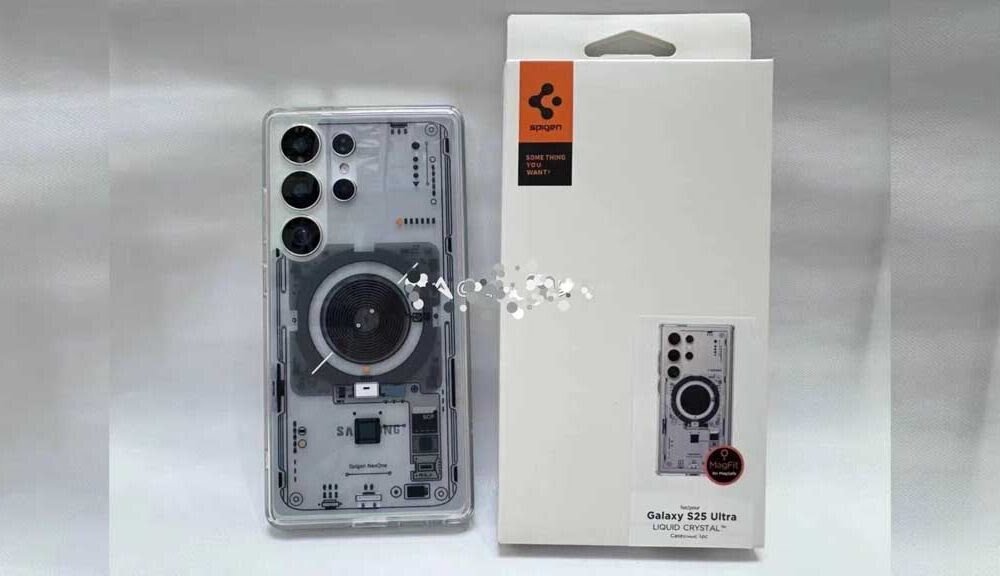
Galaxy S25 Launch Nears Amid Growing Leaks With the launch of the Samsung Galaxy S25 series speculated to be just weeks away, leaks surrounding the highly anticipated flagship devices are getting increasingly detailed. One of the latest leaks gives a look into a Spigen case designed for the Galaxy S25 Ultra and may reveal exciting new wireless charging capabilities. Spigen Case Leak Gives Key Insights The picture, which was shared on X by tipster Jukanlosreve, shows a Spigen liquid crystal case designed for the Galaxy S25 Ultra. The case, with internal sketches of the phone’s components, may be the biggest clue so far to what Samsung has in store in terms of enhancements to wireless charging. The most immediately noticeable design feature of the case is a circular pattern that dominates the center. Given the case’s packaging is marked “MagFit for MagSafe,” it seems reasonable to assume that this circular design element will provide MagSafe-like functionality when combined with the Galaxy S25 Ultra. Enhanced Wireless Charging for Galaxy S25 While Samsung fans might have hoped for built-in magnetic charging support, the Galaxy S25 series appears to take a slightly different approach. According to earlier leaks, the phones are unlikely to include a Magnetic Power Profile, a feature that integrates magnets directly into the device for seamless charging. However, the Spigen case leak suggests users will still be able to enjoy similar functionality by using compatible cases. Reports have surfaced that the Galaxy S25 series will feature 25W wireless charging, which is the typical speed for fast wireless charging. While the phones may not be officially Qi 2 certified—a standard that requires integrated magnets and faster speeds—the above setup presents a handy workaround for users seeking a MagSafe-like experience. User-Friendly Design Choices This could raise many questions, especially about intent, as to why Samsung decided not to include a Magnetic Power Profile directly in the Galaxy S25 series. Some might interpret this as an effort to boost sales of first-party accessories. However, third-party cases, like the Spigen MagFit model, give users more room to choose their favorite case brand. While this might be a bit more convenient for the user if it came built into the device itself, being able to choose which compatible case is the silver lining of this trade-off. This design balances functionality and personalization for the fans of Samsung’s flagship devices, enabling them to choose between various options of cases and yet be able to have the best of advanced wireless charging features. What to Expect from Galaxy S25 Series With the launch of the Galaxy S25 series, anticipation builds as more and more rumors detail supposed features and upgrades. Given these leaks are correct, Samsung wants to offer users more advanced wireless charging options without losing out on support for third-party accessories such as cases from Spigen. The weeks will be a waiting game as the launch draws near, with many enthusiasts eagerly awaiting what promises to be the next step in pushing the limits of Android innovation with the Galaxy S25 lineup. By meeting wireless charging requirements through flexible accessory support, Samsung can reestablish its presence as a leader in smartphone technologies.
Galaxy M16 Design And Color Options Leaked In New Renders
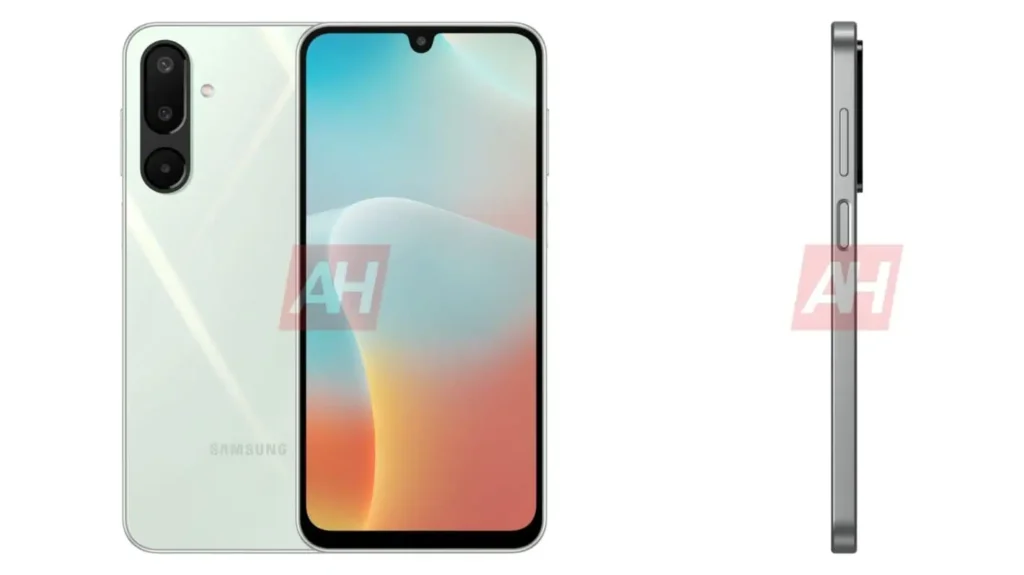
Samsung has been a mid-range king and we all know that for a long time. They have been offering devices with great battery life and affordability. Earlier this year they launched the Galaxy M15 as a mid-ranger. Now they are getting ready to launch the successor, Galaxy M16 5G and exclusive renders reveal the device’s design. Here’s everything we know about the upcoming Galaxy M16 5G including the new design and features. A New Design Language for M Series It seems Samsung is focussing on the design of their budget devices in 2024. While the Galaxy M15 had a functional design, it lacked the modern look of the premium devices. The Galaxy M16 5G takes a big leap forward with sharper, flat borders and new frame design. The flat sides eliminate the slight curvature of the Galaxy M15 and brings the Galaxy M16 closer to the look of Samsung’s flagships and mid-rangers. This is in line with the company’s efforts to modernise their budget devices. Camera Module: A New Look Unlike recent Samsung phones that have a minimalist rear camera design with individual sensors, the Galaxy M16 5G has a camera “island” to house its triple rear sensors. This vertical design adds a new element and might be a new direction for Samsung’s budget devices. Whether this is a permanent change in Samsung’s design language only time will tell. But one thing is for sure, the Galaxy M16 5G is moving away from the subtle design of the Galaxy M15. Button and Fingerprint Reader The Galaxy M16 5G keeps it simple with button placement. The SIM card slot is on the left and power and volume buttons on the right. The power button is also a side-mounted fingerprint reader although the phone is expected to have an AMOLED display. Some might question this decision but side-mounted fingerprint readers are known for their accuracy and reliability so it’s a practical choice for a budget device. Display and Bezels: Same Old One area where Samsung hasn’t changed is the display design. The Galaxy M16 5G has a noticeable bottom bezel or “chin” and the other bezels are slightly thinner but not impressive. The phone also has the Infinity-U notch for the front camera, a design element that’s been phased out in some of Samsung’s other devices like the Galaxy A16. These design choices suggest that while the Galaxy M16 5G is modern in some aspects, it’s still a budget device in others. Hardware and Performance The Galaxy M16 5G will run on the Dimensity 6300 chipset, the same processor as the Galaxy A16. This is good enough for daily use but not a powerhouse. The phone has been spotted with 8GB of RAM on Geekbench, but Samsung will likely offer more variants to cater to different users. Software: A Missed Opportunity? One of the biggest letdowns of the Galaxy M16 5G is the software. It’s 2024 and the phone will come with Android 14. That might feel outdated for some. But Samsung’s software update record will help bridge that gap over time. Conclusion The Samsung Galaxy M16 5G is a design upgrade for the Galaxy M series with sharper looks and a new camera module. But the modest hardware, same old display design and outdated software might disappoint some. For those looking for an affordable mid-ranger with modern design, the Galaxy M16 5G might be a good option. We’ll see how Samsung prices it and how it fares in the crowded mid-range segment. Source & Images: Android Authority
Apple Reportedly Working On A HomePod With A 7-Inch Display
Apple will give its smart speaker HomePod a complete makeover for 2025, a device that it hopes to position as capable of executing advanced tasks, among many other competitive capabilities. Updates will range from adding a touchscreen display to refreshing internal hardware; the new version of the HomePod is aimed at bringing a fresh user experience and possibly going head-to-head with rival products from Amazon and Google. Touchscreen Display for Enhanced Functionality A major highlight of the 2025 HomePod is the inclusion of a 7-inch touchscreen. This addition signals Apple’s intent to elevate its smart speaker’s usability and align it more closely with competitor products. According to a report from DigiTimes, Apple has partnered with Tianma as its exclusive supplier for the LCD display. By opting for LCD technology, Apple can cut production costs significantly. The company reportedly negotiated a deal to pay just $10 per display, which could help keep the HomePod price competitive. The touchscreen display will also open up a range of possibilities for the smart speaker, including interactive uses such as visual controls, media playback, and maybe even some casual gaming. Powerful A18 Chipset Inside It was reported that the next-generation HomePod would have an A18 chip, similar to what will be in the iPhone 16 and iPhone 16 Plus. The powerhouse chipset may unlock further potential for things like more resource-intensive apps or support for more complex audio and visual processing. The A18 is expected to shine in a larger form factor of the HomePod, where the device has more room for thermal management, addressing overheating complaints that sometimes arise in the iPhones. While there’s speculation about gaming compatibility, Apple is more likely to leverage the A18 in enhanced performance and integration for its ecosystem, including, of course, Apple Intelligence. AI Integration and Added Capabilities Other ways in which Apple could put investment into generative AI features might include the new HomePod. This would involve at least 8GB of RAM-a very feasible addition. This would turn the HomePod into a smart home automation center, powered by AI, offering personalized experiences unlike any other in increasingly crowded markets. Pricing and Market Competition While the report does not give explicit indications of price, affordability would be key for Apple. Competition from Google and Amazon has dominated the smart speaker market by offering products from all ends of the pricing spectrum. Apple’s opportunity to competitively price-attractive products due to declining component costs could help expand its reach and cement a position in the smart home market. Conclusion The 2025 HomePod looks like it will be a beast: the A18 chip, touchscreen, and even some AI capabilities, among other hardware changes. By placing competitive pricing at the center of its strategy, Apple hopes to take a bigger bite out of the smart speaker market and push the boundaries of what the device can do. It remains to be seen just how this next-generation HomePod will shape the future of smart home technology as details are revealed.
OnePlus Watch 3 to Feature Functional Rotating Crown and ECG Support
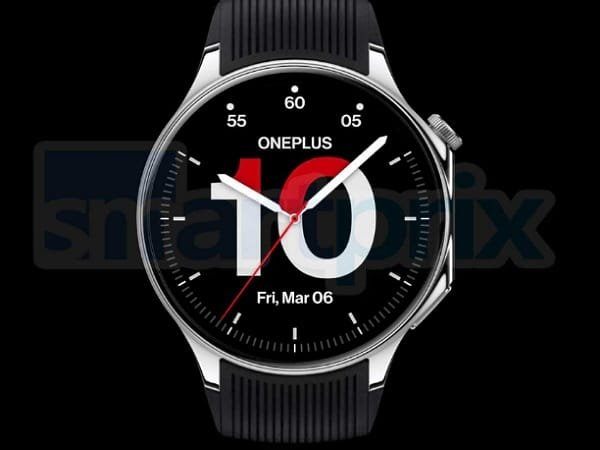
A New Era for OnePlus Wearables OnePlus has been winning the hearts of gadget lovers with each of its devices, and the OnePlus Watch 2 was no exception, especially regarding its unparalleled battery life. However, one feature in that watch-the rotating crown-felt a bit useless by the fans. The latest leaks promise that OnePlus has listened to its community and will bring major improvements with the OnePlus Watch 3, making it a real candidate to conquer the smartwatch market in 2025. Improved Rotating Crown with Functionality The OnePlus Watch 2 had a rotating crown, but it was largely an element of confusion since it didn’t have any real functionality. OnePlus Watch 3 improves that with a crown that doesn’t just rotate but “offers a more intuitive way to navigate the UI” by enhancing the user interaction, complementing the touchscreen experience. This update comes as a result of feedback from fans and will add to the smartwatches a button-like, clicky mechanism similar to those on the Apple Watch and upcoming Pixel Watch 3. The news is an exclusive leak from Smartprix, revealing that OnePlus never stops seeking to please the users. Battery and Performance Upgrades One of the strong suits of OnePlus has always been battery life, and with the OnePlus Watch 3, it appears that they are pushing that even further. Though exact battery capacity wasn’t confirmed, leaks mention a “500mAh+” battery, implying an upgrade from the OnePlus Watch 2’s 500mAh, possibly up to 648mAh. This, combined with unchanged but still robust specs like the Snapdragon W5 Gen 1 chipset, 2GB RAM, and 32GB storage, suggests that the Watch 3 will continue OnePlus’s tradition of top-tier performance in smartwatches. Health and Connectivity Features It is also getting an upgrade in health monitoring with the introduction of ECG functionality in select markets, addressing the increasing demand for health-centric features on smartwatches. However, due to various regulatory restrictions, this feature might not be universally available. The leak further hints at LTE connectivity, which could make the OnePlus Watch 3 a fully independent device, though this feature might be region-specific, mirroring trends seen with other China-developed watches. Design and Launch Details Aesthetically, the OnePlus Watch 3 is expected to come in at least two color options, one of which might echo the “Radiant Steel” finish of its predecessor. The design includes smaller bezels, enhancing the visual appeal and screen real estate. The smartwatch is slated for a global rollout in the first quarter of 2025, giving OnePlus enthusiasts something to look forward to at the start of the year. Conclusion The OnePlus Watch 3 is shaping up to be quite an impressive entry within the smartwatch segment as it will fix some critical areas of complaint and the biggest user requests. With its increased battery life, a working rotating crown, and maybe some health and connectivity features, the OnePlus Watch 3 has all the ingredients to raise the bar on what users will expect from their wearables in 2025. If these leaks are anything to go by, OnePlus is certainly on a track to iterate and expand its smartwatch offerings to appeal to tech enthusiasts and health-conscious users alike. Image: Smartprix Via Android Police
OneXPlayer G1 By One-Netbook To Be Powered By AMD’s Ryzen AI 9 HX 370
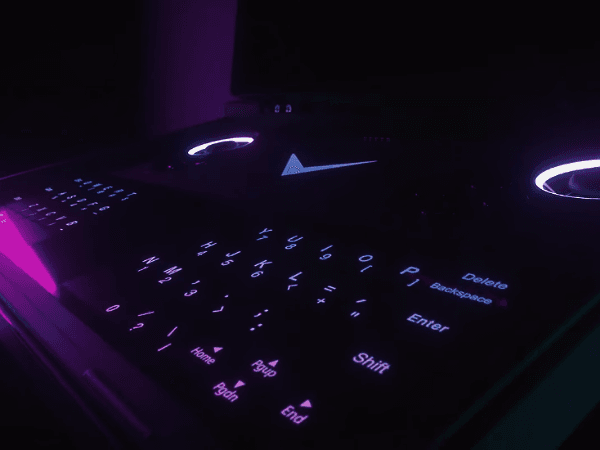
One-Book which has a reputation with mini-PCs, handheld game consoles, and external GPUs has now teased its new gaming handheld; the OneXPlayer G1. This handheld console gaming laptop hybrid features all those things in one small form factor. OneXPlayer G1 Teased The OneXPlayer G1 was teased on YouTube recently, and other details have come up through ITHome, which provided a better look at how it looks and feels like. It is powered by the AMD Strix Point Ryzen AI 9 HX 370 processor, which is based on the Zen 5 architecture. Configured with 12 cores/24 threads, the processor promises to deliver state-of-the-art performance. Interestingly, the same processor powers the OneXFly F1 Pro console, too, and shows how serious One-Netbook is about handheld gaming performance. Innovative Design and Display OneXPlayer G1 comes out with a hybrid design that could be used both as a handheld game console and as a compact laptop. This 8.8-inch display is an IPS one and has a 2.5K resolution, hence supporting a refresh rate up to 144 Hz. Smooth visual performance for gaming and office work is ensured with it. Equipped with an RDNA 3.5-based Radeon 890M GPU, the machine easily runs modern games at medium or high settings. In performance benchmarks, the G1 scored an impressive 4159 points in Time Spy graphics tests, outperforming the GTX 1650 by about 16% – a testament to just how well the console will handle gaming. Multi-Faceted Features OneXPlayer G1 combines a game controller and a compact keyboard, featuring a detachable Bluetooth dual-mode keyboard that quickly toggles between a game setup and a full-size keyboard layout. The machine also features joysticks, face buttons, and a D-Pad, adding RGB backlighting to personalise it. Besides that, the controller of the G1 can be completely hidden and turn into a mini-laptop. That is why it’s an excellent choice both for gamers and productivity users. Connectivity and Build For connectivity, the OneXPlayer G1 features one OCuLink port and one USB4 port with several other peripheral options – making it good for any number of uses. And with a weight of just about 900 grams or so, it is more substantial than most traditional handheld gaming consoles. This also makes sense, given it is a dual-function game console and has powerful insides. Pricing and Availability While One-Netbook has not revealed the price or release date of the OneXPlayer G1, it is expected to be priced similarly to the OneXFly F1 Pro. This means the G1 could cost around $1500, reflecting its premium features and cutting-edge technology. Conclusion The OneXPlayer G1 is shaping up to be a revolutionary device in the gaming handheld market, packing in a hybrid design, powerful hardware, and several versatile features for an unrivaled gaming and productivity experience. Obviously, gamers and tech enthusiasts alike will be very interested to finally see how this device works in real life upon its official launch. Images: ITHome