
Xbox Cloud Gaming: Stream Your Games on TVs, VR & More

Xbox Cloud Gaming Introduces “Stream Your Own Games” Feature. Microsoft today is announcing a long-awaited feature for Xbox Cloud Gaming: the ability to stream some games you already own. Starting today, players can take advantage of the feature on a range of platforms, from TVs to Meta Quest VR headsets to supported browsers on phones, tablets, and PCs. This rollout is available in all regions for Xbox Cloud Gaming, and compatibility will be extended to Xbox consoles and the Windows Xbox app by next year. Requirements and Supported Games In order to use this, the user will need an Xbox Game Pass Ultimate subscription. Unlike in the previous system, where this streaming could only happen on games available on Game Pass, this rollout lets users stream their own games. At launch, 50 games will be supported, with more coming onboard over time. Some of the top titles include Cyberpunk 2077, Stray, The Witcher 3, Baldur’s Gate 3, NBA 2K25, and some Final Fantasy titles, to name a few. They can be streamed through the “stream your own game” category on Xbox Cloud Gaming. However, there are some limitations. According to an Xbox spokesperson, the feature only supports games that were digitally purchased. This means that players with physical copies, such as Farming Simulator 25, cannot stream those titles, though they can still use remote play if the disc is inserted into an Xbox Series X. Limitations of the Feature While this update gives players much more freedom, it also hints at the slow incorporation of an all-digital gaming world from Xbox. While its benefits include having access to most existing cloud-based features, the disadvantages would lie in areas characterized by slow or unstable Internet connections-thus limiting gamers’ ability to access said features. On the flip side, this change of course allows Xbox to grow its cloud gaming service without having the expenses associated with licensing titles that are available on Game Pass. The distribution rolls into Xbox’s broader strategy of making gaming more accessible across different devices, an idea that the company spelled out in detail through its recent ad campaign. The central theme here is that any device can be an “Xbox,” basically turning TVs, phones, and VR headsets into a gaming platform. Interestingly, it comes just a day after Sony started public testing cloud gaming on the PlayStation Portal. Many have criticized Sony for missing an opportunity to launch this device and not having the cloud gaming, leaving this move as perhaps one with good timing to show off leadership and innovation on Xbox’s part when it comes to cloud gaming. Source: Xbox
iPhone 17 Air Rumors: Apple’s Boldest and Thinnest Smartphone Yet
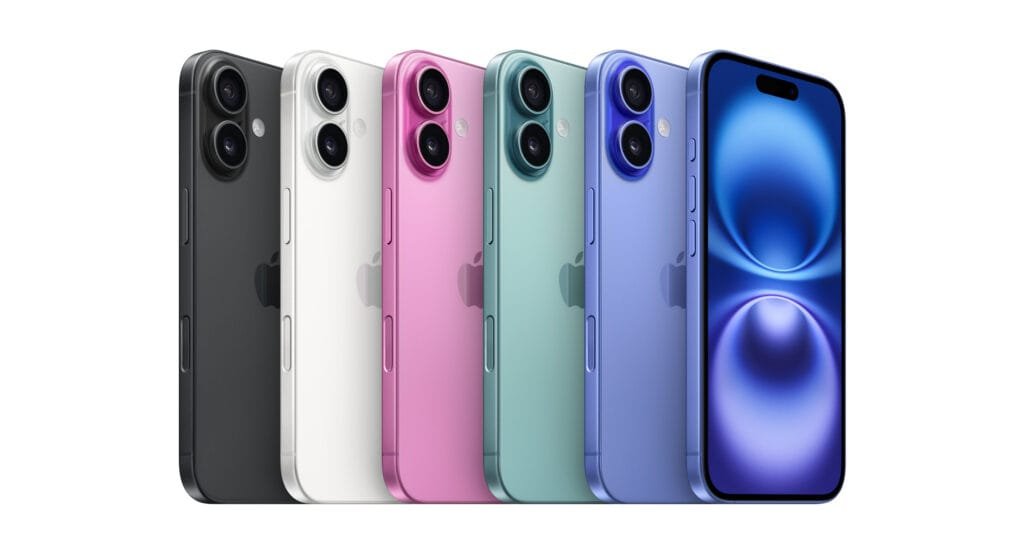
Rumors surrounding the upcoming iPhone 17 Air hint that it might take away the title of being the thinnest iPhone ever from the iPhone 6. According to Macrumors, the next-generation device will set a new benchmark for ultra-slim smartphones with a combination of advanced engineering and innovative materials that will enable this practically insane thin design. Breaking the iPhone 6 Record Being Apple’s thinnest smartphone for nearly a decade since its release in 2014, the iPhone 6 measured an impressive 6.9 millimeters. Its sleek, four-sided design made for a hallmark of its generation, consonant with aesthetics and portability. But with the purported release of the iPhone 17 Air, Apple takes that thinness game to a new height, no doubt to be as thin as 5.8 millimeters, a reduction of nearly 16% from that of the iPhone 6. Revolutionary Design Features Apple is known for pushing design limits, and the iPhone 17 Air appears to continue this tradition. iPhone 17 Air is rumored to feature a titanium alloy chassis, which is lighter and stronger than the aluminum used in earlier models. Additionally, Apple is expected to employ cutting-edge OLED display technology that eliminates traditional display layers, further reducing thickness. The iPhone 17 Air is expected to feature a 6.6 inch display. Apple has reportedly designed a battery of the future: layered lithium-ion cells. This design allows for a slim power source without affecting its battery life since this is one such concern to ultra-thin devices. While pursuing thinness is impressive for Apple, one cannot help but wonder about the trade-offs being made. Critics argue that an ultra-slim design might compromise durability and internal space for key components such as cameras and speakers. However, sources do indicate that the iPhone 17 Air will boast better durability through its titanium build and advanced shock-absorption technology. Apple will reportedly even introduce a new, smaller version of its Taptic Engine to preserve the brand’s signature taptic feedback while minimizing the available inner space. The camera system reportedly includes periscope-style lenses to maintain high-quality images in a more compact module. Though there has been no official word from Apple on the iPhone 17 Air, the company is expected to showcase the device in its annual keynote event in September 2025. If the rumor pans out, the iPhone 17 Air might simply redefine the norms of smartphone design, further taking forward the cause of slimness and functionality in industry standards. As rumors spread, even the possibility of the iPhone 17 Air being the thinnest iPhone to date is creating much excitement among fans for future Apple innovations. Via Macrumors Image: Apple Hub