
Here Is Our First Look At The Budget Lenovo Legion Go S
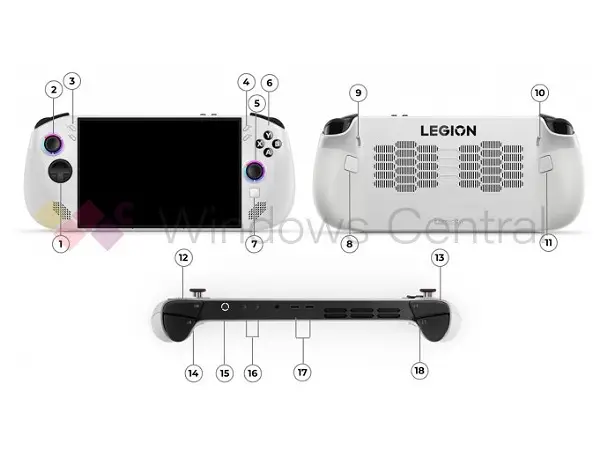
Introduction Lenovo is preparing to release a budget version of its portable gaming console, the Legion Go S, an exclusive report from Windows Central claimed. The move presents a more affordable entry into the world of portable PC gaming to offset a growing trend in the industry for high-powered, high-cost devices. Streamlined Features for a Lower Price The Lenovo Legion Go S dials down on many of the premium features seen on its predecessor, the Legion Go. There’s no detachable analog sticks, no flip-out stand at the back, and a lot fewer back buttons. Besides, the console will be driven by Zen3+ cores rather than the more powerful Zen4 hardware of the original version. These changes aim to seek a balance between performance and affordability. A Competitive Price Point While Lenovo has not announced an official price, Windows Latest speculates that the Legion Go S will retail for around $399-$449. This pricing is a great drop from the original hefty $700 price tag of the Legion Go. Such an offering could make the Legion Go S a strong competitor in the portable gaming console market, especially for budget-conscious gamers. Accessibility in Portable Gaming The Legion Go S might change the game of how affordable portable PC gaming should be. In designing a handheld that keeps only the mainstays of gaming in place and forgoes other more premium luxuries, Lenovo aims at newcomers and casual gamers looking to have an honest device without overspending. If the speculation is real, then the Legion Go S would have many in awe, especially those hesitant about investing in more expensive options. Conclusion This, on the other hand, points out Lenovo’s commitment to making portable gaming more mainstream with the Legion Go S. At significantly lower cost, the company can provide a well-rounded device that would make it a leading choice for entry-level portable gaming. The Legion Go S could very well be a gateway device for those who want to enter portable PC gaming without breaking the bank. Source & Image: Windows Central
Nintendo Switch 2 Case And Glass Protector Leaked Through Alibaba
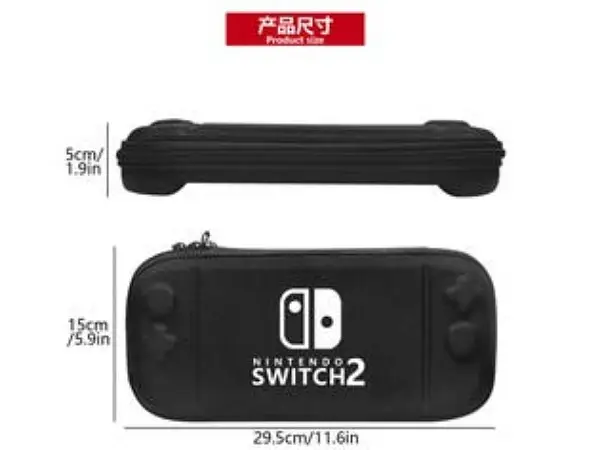
New Leaks Emerge for Nintendo Switch 2 With new leaks headlining, speculations of the highly awaited Nintendo Switch 2 continue to grow. After yesterday’s leaked images of the console’s controller came fresh leaks. This time around, a Nintendo Switch 2 case and some tempered glass screen protectors appeared on Alibaba, the Chinese e-commerce platform. In no time, the images traveled to Reddit, where the discussion began on the legitimacy of those images. Although it is hard to confirm their authenticity, the increasing frequency in which such discoveries are turning up hints that more people are now getting a hold of the product. A Long Wait for an Official Announcement The Nintendo Switch 2 has been in the rumor mill for a few years now, and fans and industry insiders alike have been waiting for any official information. Despite the wait, Nintendo has reassured the public that the new hardware will be unveiled before the end of its fiscal year, which is to wrap up in March 2025. If that holds true, it will come on the eighth anniversary of the original Nintendo Switch, which launched in March 2017. Technical Specifications: What We Know So Far While Nintendo hasn’t confirmed any of these details yet, leaks have given us a glimpse into what might be inside the Switch 2. The console will reportedly be powered by the NVIDIA Tegra T239 chipset, featuring an Ampere-based GPU with 1280 CUDA cores and an 8-core ARM Cortex A78 CPU. Other specs include 12GB LPDDR5 RAM, arranged as two 6GB modules, and 256GB of internal storage. These upgrades are considerable improvements over the original Switch. For instance, the RAM would increase threefold, and the storage capacity would increase eightfold compared to the first model or fourfold compared to the OLED revision. Advanced Features: DLSS and Ray Tracing But one of the more intriguing factors of the Switch 2 will be its support for higher-end NVIDIA technologies, if rumored. The chipset reportedly brings along NVIDIA Deep Learning Super Sampling or DLSS Super Resolution and Ray Reconstruction, hinting at ray tracing, for example. But Frame Generation tech by NVIDIA might not make it to the console. But even if it’s weaker than the weakest console of the current generation—the Xbox Series S—the Switch 2 will most likely still do wonders in performance. For years, Nintendo has been really good at optimizing games to work best with its hardware, which regularly sees its systems punch well above their weight. Looking Ahead With leaks still coming out, one can expect anticipation for the Nintendo Switch 2. Hopefully, an update from Nintendo will soon come to put speculation to rest among both fans and industry onlookers. Boasting the capability for bleeding-edge hardware and unique features, it could mark another milestone in Nintendo’s legendary gaming legacy. Via Reddit
Nintendo Switch 2 Joy-Con Leak Hints At Redesigned Controller

Nintendo Switch 2: Everything We Know So Far Excitement over Nintendo’s rumored next-generation handheld console-oft-referred to as the “Nintendo Switch 2“-continues to build steam. Speculation about the console’s possible features, enhanced performance, and innovative design is building among fans worldwide. Joy-Con Redesign Leaks: Fact or Fiction? Recent leaks have set the gaming community on fire as they hint at a potential first look at the Nintendo Switch 2’s redesigned Joy-Con controllers. These alleged images, which first popped up via a user named 马里奥68 on the Chinese platform Bilibili, sport a radically different controller design. Some of the rumored features include: Infrared Camera: The new controllers seem to include an infrared camera, thus hinting at possible advanced motion tracking. Larger SL and SR Buttons: They are larger, it would appear, for improved ergonomics. New Back Button: There is a pedal-like button on the back, adding mystery. Magnetic Attachment: It could be magnetic, which might change the way Joy-Cons click onto the console for a tighter fit. While these might be the major changes, it is not sure whether this leak is credible. He further said that low volumes of production may delay the launch of the console, which put doubts on the March 2025 window circulating in the gaming community. NVIDIA Chips Hint at Production Progress Adding fuel to the fire, some new data from Famiboards revealed the possible production timeline of the Nintendo Switch 2. According to a prominent leaker, LiC, NVIDIA shipped more than 800,000 units of its T239 chip-to be utilized for the Switch 2-to one of Nintendo’s contractors back in September. This large shipment suggests production is already underway, so a first-quarter 2025 release is possible. With rumors like this, a press release or teaser could also be close by. When Will We Get the Nintendo Switch 2? Despite the leaks and rumors mounting, Nintendo has kept tight-lipped about its intentions on the Switch 2. The company has a history of surprising people with announcements, not really letting the fans get any hint until the last minute. While the leaked images of Joy-Con look compelling, these could be prototypes or outright fabrications. Without confirmation from the company, these rumors have to be taken with great care. Rumors and Fan Reactions The gaming community has been ablaze with reactions over the supposed Joy-Con design. Some fans are hyped about the potential innovations, while others are skeptical. Is this a leak or part of some clever ruse? Can new features change how we play games, or is this all just too ambitious to actually be real? Conclusion The Nintendo Switch 2 is one of the most highly-anticipated consoles in recent history. Whether the rumors and leaks hold any water or not, one thing is for sure: Nintendo’s next move has the potential to redefine gaming once again. Until then, fans can only speculate and eagerly await official confirmation.
Apple iPhone 17 Pro To Use Titanium Frame
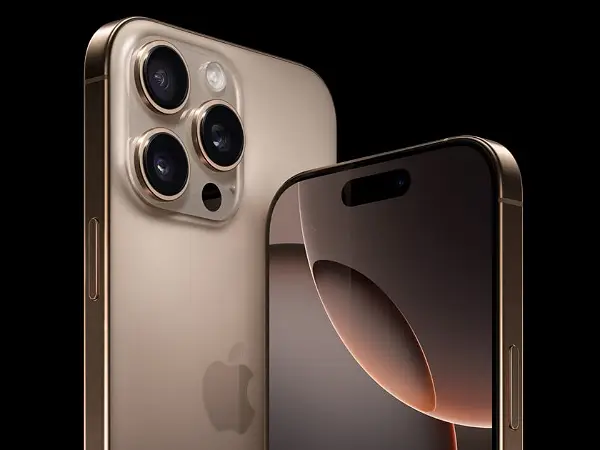
Apple’s upcoming iPhone 17 Pro models have sparked heated debates among tech enthusiasts, thanks to conflicting reports about a potential shift in materials. While some sources claim Apple might abandon titanium in favor of aluminum, others argue the premium material will stay. Here’s everything we know about this controversy and other expected design changes. The Titanium Debate: Two Conflicting Claims One of the most disputed rumors regarding the iPhone 17 Pro pertains to the material usage of its frame. According to Wayne Ma from The Information, Apple intends to use aluminum frames on its Pro models, which will be a step back from the titanium used in the iPhone 16 Pro and Pro Max. However, a well-known Weibo tipster named Instant Digital strongly disagrees. As the leaker said, “Why would anyone believe it would switch to aluminum? It’s just not possible. Apple has consistently emphasized premium frame materials for its Pro series. It did this by referencing how Apple markets their products using premium materials such as “surgical-grade stainless steel” and “titanium.” Utilizing aluminum, generally thought to be a lower tier of material, would detract from this marketing angle. In their statement, Instant Digital failed to establish whether this tidbit of news came from actual insider information or speculation. Mixed Track Records While both Wayne Ma and Instant Digital have shared accurate leaks in the past, neither has had a perfect track record. Tech enthusiasts and industry watchers are thus divided. The truth may only emerge closer to the release of the iPhone 17 Pro as more reliable sources step in. Radical Design Changes Ahead? Beyond the debate about materials, the iPhone 17 Pro is expected to introduce other big changes in design. According to the report by Wayne Ma, Apple may replace the normal dual or triple camera module with a rectangular camera bump. This bump could be constructed from aluminum instead of 3D glass, adding a new aesthetic to the Pro models. The bottom half of the back could remain glass to continue supporting Apple’s MagSafe system, which has become a standard feature on flagship models. More Features Trickling Down The entire iPhone 17 lineup is reportedly set to introduce more changes beyond the Pro models. For one, all models of the iPhone 17 could boast 120 Hz displays, previously exclusive to the Pro line. Other additions rumored are the iPhone 17 Air, which may replace the present Plus variant. It will surely satisfy users seeking compact-size smartphones but packed with relevant features. What’s Next? With speculation mounting, one thing is for sure: the iPhone 17 series is going to be one of Apple’s most ambitious releases. Whether the Pro models stick with their titanium frames or move to an aluminum construction is anyone’s guess. One thing is for certain, though: Apple’s marketing will play a crucial role in positioning any changes as innovations. This is far from over, as more leaks and reports are expected in the coming weeks. Both fans and analysts will have to wait for official announcements or corroborating evidence to confirm which of these rumors are truthful. Stay tuned as more information about the iPhone 17 Pro and its revolutionary features surfaces. Source: Weibo
We Might See an Android Flagship Smartphone With 8,000mAh Battery In 2025
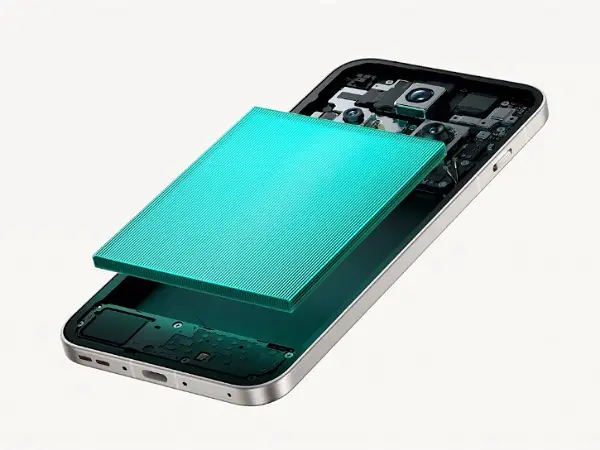
Global Flagship Releases Set the Stage The 2025 Android flagship season has not yet kicked off in the US, but global markets are already filled with exciting releases. Most of the leading manufacturers have launched their latest flagships, including Realme, OPPO, and iQOO, each setting new benchmarks in battery capacity and performance. The main competitors are the Realme GT7 Pro, OPPO Find X8 Pro, and iQOO 13. These smartphones not only introduce next-generation flagship chipsets but also some of the largest batteries that have ever been used in premium phones. Massive Battery Upgrades: New Standard? Suddenly, battery capacity has emerged as one of the key features in the competitive smartphone market. Here’s a comparison of some flagship phones: Realme GT7 Pro: 6,500mAh iQOO 13: 6,150mAh OPPO Find X8 Pro: 5,910mAh iPhone 16 Pro Max: 4,685mAh Samsung Galaxy S24 Series: 5,000mAh Realme’s Ambitious Plan for 2025 Realme is planning to outperform its current flagship, probably the Realme GT8 Pro. According to some leaks provided by Digital Chat Station, the company is testing some revolutionary battery configurations. The batteries are as follows: 1. 7,000mAh battery with support for 120W fast charging (time taken to full charge: 42 minutes). 2. 7,500mAh with 100W fast charging, going from dead to full in 55 minutes. 3. 8,000mAh with 80W fast charging, which goes from dead to full in 70 minutes. In each case, that’s a pretty deliberate trade-off between size and speed, but again, even the slowest option is quicker than many rivals. Silicon Batteries: Game Changer The rise of silicon batteries is fueling this leap in smartphone technology. Devices like the Realme GT7 Pro are already leveraging this advanced tech, which offers higher energy density and faster charging times. While other brands have previously overpromised and underdelivered on battery innovations, silicon batteries appear to be the real deal. They could pave the way for phones that last days on a single charge—an attractive prospect for consumers. The US Market: Missing Out? Despite these developments, US consumers might not get a hold of this game-changing technology anytime soon. None of the major brands, including Apple, Google, and Samsung, has widely adapted silicon batteries. But the upcoming OnePlus 13, with its powerful 6,000mAh battery, suggests that things are finally starting to move in the US market. If Realme delivers an 8,000mAh smartphone in 2025, that may just set expectations for ultra-long-lasting phones and eventually drive a change in standards globally. Bottom Line With accelerated innovation in smartphones, the year 2025 could indeed mark the arrival of a battery revolution—a new paradigm for both performance and endurance.
Nothing Phone To Launch Three New Phones in 2025

Braving a Bold Innovation Step Speculations in the tech market suggest that Nothing, a prominent smartphone manufacturer with a brand reputation for its sleek, stunning designs, is apparently preparing to launch three products next year. Of all of these, the one making headlines is the Nothing Phone (3), at least since it recently went on Geekbench with a model code “Nothing A059.” Innovative Design Heritage Nothing debuted with the Phone (1), a device that breaks with the monotony of traditional smartphone design. Its transparent backside and Glyph Interface, which represents a series of LED lights for notifications and charging status, was widely noted and set the Phone (1) apart in an over-saturated market while building Nothing as a brand to watch. Building on this momentum, the Phone (2) refined the original’s design and introduced significant camera improvements, earning praise for balancing aesthetics and functionality. The company’s limited-edition releases, such as the glow-in-the-dark “Community Edition” of the Phone (2a) Plus, further solidified its reputation for innovation. Speculation Around the Nothing Phone (3) As indicated by the Geekbench listing, Nothing Phone (3) could sport a Snapdragon 7s Gen 3 processor and 8GB of RAM while running on Android 15. This seems to place an emphasis on mid-range affordability, as Nothing will now be offering cutting-edge designs without the flagship price tag, thus making them accessible to a wider audience. While the features of the Phone (3) are still a mystery, the hardware selection does suggest that Nothing is gunning for tech enthusiasts who appreciate style and performance. If these rumors are true, the Phone (3) will be a serious contender in the competitive mid-range smartphone market. Three New Devices on the Horizon The prospect of three new phones raises interesting questions about the plans Nothing has in store. Will they launch multiple versions of the Phone (3), each for a specific market? Or are they readying entirely new product lines to expand their portfolio? Industry insiders believe that this is an opportunity for Nothing to experiment further with the design and functionality of products, perhaps introducing innovations in how users interact with devices. Future Nothing’s track record at challenging norms puts a big demand on its future releases. Groundbreaking designs, state-of-the-art technology, and friendlier features from the brand will continue challenging smartphone standards. As it finally rolls out, a consensus seems to be found for certain: Nothing will, undoubtedly, make big splashes in 2025 with its lineup of launches, possibly led by Nothing Phone (3). Source
MSI Claw 8 AI+ Listed On Amazon For $899
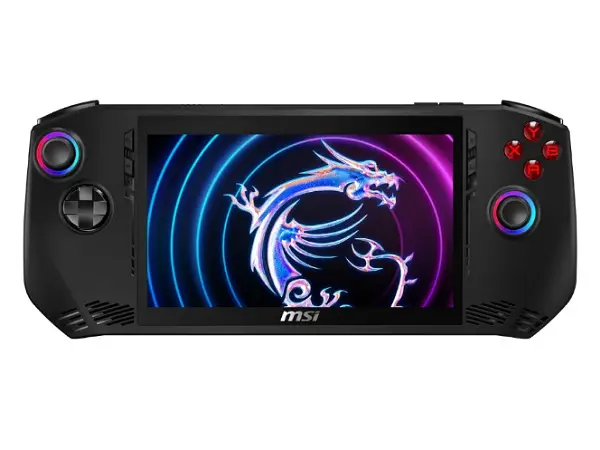
MSI Claw AI+ Handheld Introduction MSI has revealed two versions of its highly anticipated Claw AI+ gaming handhelds. Both are sporting cutting-edge hardware, but the big difference is in their screen sizes: one has an 8-inch display, while the other sports a smaller 7-inch screen. These handhelds are aiming to compete with popular options like the ROG Ally X by offering robust specifications at competitive prices. MSI Claw 8 AI+ Specifications The MSI Claw 8 AI+ is the top-of-the-line variant of the series. On the Amazon product page, although the price is not listed officially yet, reports suggest it will be available at $899. It will be powered by Intel’s Core Ultra 7 258V processor, 32 GB of LPDDR5X RAM, and a 1TB storage capacity. The specifications position the Claw 8 AI+ as a serious contender in the gaming handheld market. With the official launch embargo expected to lift on December 25, gamers can soon experience its power-packed performance. Interestingly, the Claw 8 AI+ will be among the first devices in its segment to offer 32 GB of LPDDR5X memory, setting a new benchmark in portable gaming. MSI Claw 7 AI+: The Compact Alternative MS doesn’t stop here at a single device. Claw 7 AI+ brings similar hardware configurations but features a smaller 7-inch screen. It shares the Core Ultra 7 258V processor but features lower storage space – 512 GB. Despite a smaller screen size, it does retain 32 GB RAM for better performance. Priced at $799, the Claw 7 AI+ is more affordable for gamers in pursuit of a compact design while maintaining the same strength of performance. It also offers itself as a successor of the original Claw 7 model with older Meteor Lake processors. Both the Claw 8 AI+ and Claw 7 AI+ are equipped with Intel’s Lunar Lake architecture, optimized for gaming performance. With the Arc 140V iGPU, these handhelds have fantastic gaming performance. While the Core Ultra 7 258V is an 8-core/8-thread APU, the rival processors like Strix Point Ryzen AI 9 365/HX 370 have more threads. However, MSI has managed to balance performance with affordability. At $899, the Claw 8 AI+ is undercutting competitors like the OneXFly F1 Pro, which is priced way higher for similar features. A Strong Challenger in the Handheld Market MSI’s new handhelds signal a bold entry into the competitive gaming market. With prices starting at $799 for the Claw 7 AI+ and $899 for the Claw 8 AI+, these devices directly challenge established players like the ROG Ally X. Notably, both variants come equipped with an 80Wh battery, ensuring long-lasting gaming sessions, and upgraded connectivity options. Conclusion The MSI Claw AI+ handhelds, with their cutting-edge specs, are set to revolutionize portable gaming. Whether you prefer the immersive 8-inch screen of the Claw 8 AI+ or the compact design of the Claw 7 AI+, these devices promise exceptional performance at competitive prices. As the launch date approaches, the anticipation surrounding MSI’s latest innovation continues to grow. Source: Amazon
WhatsApp Launches New Features: Channels and QR Code Sharing
WhatsApp Expands Channels: A Feature for All WhatsApp launched Channels over a year ago as a one-way, read-only platform intended to update followers with what an individual, celebrity, or brand is up to. Though it was first pitched to bigger influencers and companies, everyone can use the channels nowadays. It’s easy whether you’re an emerging local artist, an owner of a small business, or even just an ordinary user- building a WhatsApp channel is a piece of cake now. Currently, users can share their channels through standard methods like URLs. Advanced sharing tools, however, like QR codes, are glaringly absent. This may change soon as WhatsApp is reportedly testing a QR code feature for Channels. QR Code Sharing in WhatsApp Beta According to WABetaInfo, a new Channels QR code generation is now available for beta testing in the WhatsApp beta for Android v2.24.25.7. It previously appeared in an older beta version, v2.24.22.20, but was not widely implemented. Now, after over a month of development, the feature is slowly coming close to being implemented in the application. Encouragingly, the same evidence has appeared for the iOS version of WhatsApp beta, indicating that the feature for QR code sharing of Channels will be widely available on all platforms. An official date for the release of the stable version, however, remains unknown. Media Sharing Enhancements The inclusion of QR code functionality is part of the continuing effort of WhatsApp to enhance user experience. In recent beta updates, the app has added enhancements to its media-sharing capabilities. For instance, the Gallery shortcut has been added to the text box of the chat, replacing the former Camera shortcut. This move is aimed at streamlining media sharing by making it easier to access photos and videos. In subsequent beta updates, WhatsApp reinstated the Camera shortcut in addition to the Gallery option, thus affording users more flexibility. These updates speak to the fact that WhatsApp is always looking to refine its interface based on what users have to say about it. November 2024: A Month of Important Updates Besides beta updates, the stable version of WhatsApp received major updates in November 2024. Amongst these are the introduction of Lists, a feature that seeks to declutter conversations. Users can organize chats through preset and custom filters so that they can better manage their personal and professional communications. Another major update is the highly anticipated voice transcription feature that allows users to translate voice messages into texts. It is a welcome innovation, especially for users who can’t listen to voice messages either because of their time constraint or environmental factors. This shows that WhatsApp, under the leadership of Meta, has continued to change with time. A Brighter Future for WhatsApp Features WhatsApp is committed to its ease of use and accessibility. Since Channels, through the introduction of QR code sharing, which is now still being developed with more intuitive tools, it is ahead in innovation of messaging apps. And with this feature being gradually rolled out, WhatsApp users will soon experience a much smoother and flexible way of communicating. Although the time when QR code sharing is fully implemented is not known, the regular updates and testing are good omens for the future of WhatsApp users. Source: WABetainfo
Samsung Galaxy S25: Colour Options, Launch Details Leaked

Flagship S25 Series From Samsung Creates a Buzz The highly anticipated Samsung Galaxy S25 will arrive in mid-January 2025, and some leaks have given us an exciting sneak peek. A total of three models will be released under the Galaxy S25 series: Galaxy S25, S25+, and S25 Ultra. Early reports, including those from prominent leakers Ross Young and Roland Quandt, show new details on color variants and design elements that raise excitement ahead of the launch. SIM Tray Leak Confirms Color Variants One of the more interesting leaks comes from Roland Quandt, who posted pictures of the SIM trays for the Galaxy S25 and S25+ via the social network Bluesky. These trays confirm a number of color options for the phones, including Black, Green, Purple, and Blue. These colors match earlier reports of “sparkling” variants, which are expected to officially be called Midnight Black, Sparkling Green, Sparkling Blue, and Moon Night Blue. Also, there’s a white SIM tray that fits the description of the rumoured Silver Shadow colour variant. Quandt reports that the information comes from a repair parts dealer who also shared a few insights on the charging components of all three Galaxy S25 models. Exclusive Colours and Online Variant For those who would want something more special, Samsung will reportedly have three online-exclusive colorways for each Galaxy S25 model. These will include Coral Red, Pink Gold, and Blue Back colorways that will be only available on Samsung’s official website. The Galaxy S25 Ultra, the series’ premium offering from Samsung, is even said to boast more luxurious finishes. The leaks point towards Titanium Pink Gold, Titanium Blue/Black, and Titanium Jade Green color options, making it a top choice for those after high-end aesthetics. S25 Slim: Another Device in the Pipeline While the flagship trio is generating significant buzz, Samsung is also said to be working on the Galaxy S25 Slim. Unlike its siblings, however, the S25 Slim will adopt a sleeker form factor with impressive specs, like a 200MP main camera. However, as per the report, the Galaxy S25 Slim will not be released alongside the other main S25 series in January; Samsung will reportedly launch this device at a later part of 2025 to extend consumer excitement throughout the year. Availability and Launch Expectations The Galaxy S25 series should expect widespread retail, whereas their online-exclusive colors only help to make Samsung look better for customers buying from their website. With the overwhelming demand for the Galaxy S series, January 2025 will very exciting for Samsung fans. With new color options, possible design upgrades, and new features, the Galaxy S25 series is already shaping up to be one of the most interesting smartphone releases in 2025. Be it the regular S25, the larger S25+, the S25 Slim or the ultra-premium S25 Ultra, Samsung is likely to cover all aspects of different tastes. The wait is almost over for those eager to upgrade. Watch out for the official unveiling this January! Source & Images: Roland Quandt
Leaked Samsung Patent Hints at Foldable Gaming Handheld
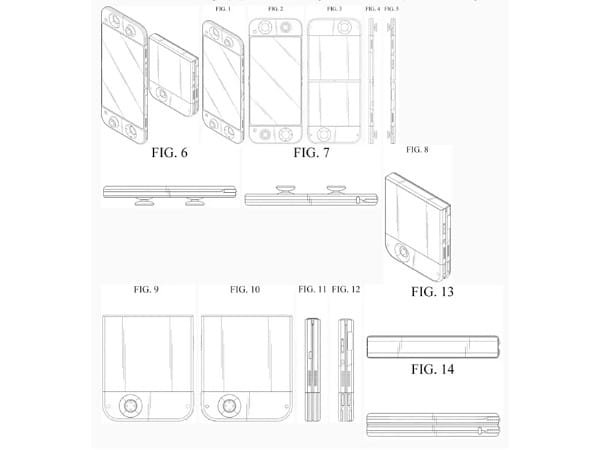
A New Competitor in Gaming Handhelds? A patent filed by South Korean tech giant Samsung has generated speculation that the company is developing a handheld gaming console. The patent, filed with the World Intellectual Property Organization, unveiled a device highly similar to the Nintendo Switch but with the modern twist of a foldable screen. The gaming handheld industry is already competitive, with the Steam Deck and Nintendo Switch taking over the market. The possible entry of Samsung might introduce some innovative features, as one can expect from the company leading the front in foldable screen technology. Foldable Screen: A Revolutionary Addition This puts the foldable screen-as presently refined by Samsung’s Z Flip and Z Fold smartphone lines-of the proposed device front and center. Theoretically, folding allows for a screen to collapse on its own without sacrificing portability, but it is much less clear how that should benefit gaming handhelds particularly. Images from the patent show recessed analog sticks and buttons flanking the foldable screen, but it’s not very clear what exactly those would be used for. While foldable technology allows for portability, what that truly means for gaming itself is yet to be seen. Gamers may question if the foldable design enhances game play or if it’s just a pretty face. Partnership or Independent Venture? Interestingly, Samsung’s patent does not necessarily mean the company is planning to launch its own gaming handheld. Instead, the foldable screen technology could be intended for collaboration with other companies. Samsung Display has previously partnered with Nintendo to produce screens for the Nintendo Switch OLED model, raising the possibility that this new technology may also be a component for an upcoming gaming device from another manufacturer. While that is a great thought to have-a Samsung-branded gaming handheld-it is also just as likely that the company is working behind the scenes to better existing products for other industry leaders. Challenges in Market Adoption Another factor standing in the way of this foldable gaming handheld device: cost. The production costs for foldable screens are still extremely high, and devices with these features come at a great expense. This could make large-scale adaptation somewhat difficult, especially in budget-oriented gaming. Moreover, it does not seem like Nintendo’s “Switch 2” will either; even giants are skeptical of such a feature due to costs and practicality. The Way Forward It’s unknown if this will lead to a commercially released product. There are lots of innovative avenues the handheld gaming market could be taken, but any entrant has to walk the thin line between great tech and great pricing/functionality. Should Samsung make its move, the company will really reshape what gaming on-the-go feels like. For now, all fans can do is speculate about what this foldable gaming handheld could bring to the table. Although the device is still a concept, it has already driven conversations regarding the future of portable gaming and how foldable screen technology might shape this landscape. The gaming handheld industry could be in for a shift soon, but time will tell if Samsung’s ambitious vision comes to life. Source: 91 Mobiles Image: WIPO