
OnePlus To Launch “Mini” Flagship Phone In 2025

OnePlus Gears Up for More Phones This Year OnePlus is said to have lined up some major launches this month, with its most recent flagship launching internationally, as well as the introduction of the Ace 5 series of phones to China. Fresh leaks are suggesting the brand may have another ace in the box for fans – a compact smartphone. Leak Implies Smaller Phone According to Digital Chat Station, a reliable source of various smartphone leaks in China, OnePlus is working on a “small” phone with a 6.53-inch display. That’s much smaller than the 6.82-inch display on the upcoming OnePlus 13. This would not be the first attempt at a compact device by OnePlus. In 2019, OnePlus released the OnePlus X, featuring a premium design, a 5-inch display, a powerful Qualcomm processor, and an attractive price of $250. The OnePlus X quickly became a darling among fans of smaller smartphones. Compact Smartphones Gain Popularity While big-screen phones are the dominating force in the market, compact smartphones are making a comeback. Google and Apple have stuck to offering pocket-sized phones despite their flagship displays crossing the 6-inch barrier. This year also saw Vivo jump into the fray with its X200 Pro Mini, packing flagship features into a smaller size. Now, it looks like OnePlus is ready to take the plunge into this growing niche with its new compact offering. Expected Features and Specifications The leaked details suggest that this compact OnePlus phone will carry Qualcomm’s Snapdragon 8 Elite processor, meaning performance will be top-notch. It is expected to feature around 1.5K resolution, providing sharp visuals. For the photography enthusiasts, the phone will most probably feature a 50MP Sony sensor as one of its main rear cameras. The device is also said to boast a new horizontal camera module design. An under-display fingerprint sensor is reportedly included, though the phone might lack a periscope-style zoom lens, often used for advanced optical zoom capabilities. Based on the leaked design and specs, the device seems different from the Ace series that remains exclusive to China. Collaboration with Oppo Often, given the close relationship between OnePlus and its sister company Oppo, technology and design elements often overlap. For example, the Oppo Find N3 was an essentially identical phone to the OnePlus Open, but with different branding. The same source suggests Oppo is also working on a compact smartphone destined for the Chinese market. It is yet to be seen whose name will stay at the top in the compact smartphone segment, but regarding its recent history, OnePlus could be the first brand to introduce a mini flagship into the market. Conclusion: A New Chapter for OnePlus Although OnePlus has not officially confirmed the existence of this compact phone, the rumors have generated considerable excitement. With flagship-level hardware, a smaller form factor, and a sleek design, this rumored smartphone could cut out a unique niche in the market. As compact smartphones become more popular, OnePlus’s new device may set a new benchmark for powerful, pocket-friendly tech.
Oppo X8 Pad Gaming Tablet To Feature Powerful MediaTek Dimensity 9400 SoC
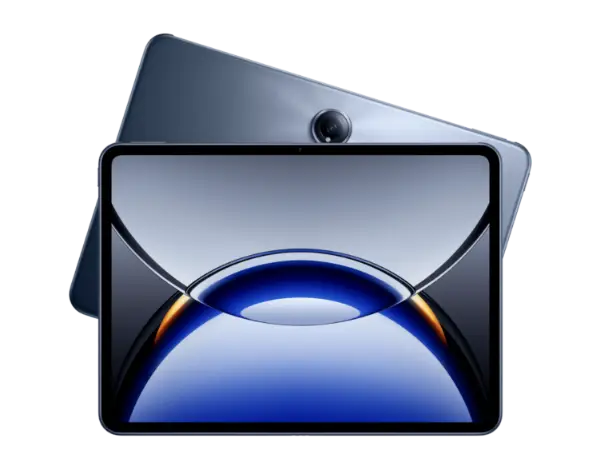
Introduction With the good sales records of gaming tablets such as the Lenovo Legion Y700 and RedMagic Nova, Oppo is about to join this competitive class. Recently, the first details about the first gaming tablet of the company have been revealed via a leak, showing us the Oppo X8 Pad. The Leak: Digital Chat Station Reveals Key Details The information about the Oppo X8 Pad originates from a trusted Chinese leaker, Digital Chat Station. Initially, details about an unnamed compact tablet powered by MediaTek’s Dimensity 9400 chipset surfaced through a Weibo post. Although the original post did not disclose the device’s name, a subsequent comment from the leaker clarified that it belongs to Oppo’s X8 series and will be launched as the Oppo X8 Pad. Expected Launch Timeline Although Oppo has not officially declared the X8 Pad, it’s unlikely to arrive before the Find X8 Ultra this spring of 2025. That means the gaming tablet might appear in the latter part of the year and will coincide with the company’s product strategy. Oppo X8 Pad: Rumored Features Display and Design The Oppo X8 Pad is said to sport an 8.8-inch high-resolution LCD display with a high refresh rate. Unlike some other tablets, it will not feature a punch-hole design for the front camera. Instead, the camera will sit in the bezel, which provides a clean and immersive screen layout. This tablet is also expected to have a slim metallic build, adding to its premium feel. Performance and Software Under the hood, the Oppo X8 Pad will be powered by MediaTek’s flagship Dimensity 9400 chipset, ensuring smoother performance and high-end gaming. Although details on RAM and storage are still in secret, there could be several options so that users can have multiple variants for different user needs. It’ll run ColorOS 15, which in turn is based on Android 15 for seamless and feature-rich usage. Battery and Charging The Oppo X8 Pad might support fast charging, but exact details about the battery capacity are not provided yet. This feature will probably become highly desirable for gamers when they need quick recharging during extended play sessions. Launch and Market Availability The Oppo X8 Pad will probably launch in China, but there’s no word on a global release yet. It’s possible that it could arrive internationally either under the Oppo brand or as a rebadged product under OnePlus, given the company’s history of cross-branding. Conclusion The Oppo X8 Pad is its all-out attack on the gaming tablet domain, which has thus far been dominated by Lenovo and more recently RedMagic. A powerhouse chipset, good aesthetics, and an updated display make the X8 Pad a potential gaming as well as tech enthusiast’s dream come true. Although much of the details are still under wraps, it cannot be denied that this device will testify to how Oppo can make or break into the gaming hardware space.
Apple Vision Pro Successor To Feature An In-House 5G Modem

Production Halted and Future Prospects Manufacturing of Apple Vision Pro, Apple’s ultra-advanced mixed-reality headset, has stopped as the company debates its future direction. While Apple weighs several paths to revamp the product, it faces major issues with steep pricing. At the same time, Apple reportedly discusses how it can utilize its proprietary 5G modem, a crucial component to upgrade future gadgets-including Vision Pro. No 5G Modem for Next Year’s Model While rumors have been floating that a follow-up with the Apple-designed 5G modem, those hopes are likely dashed. According to Bloomberg’s Mark Gurman, that won’t happen with the second generation of Vision Pro, either. There have been talks that the company is considering placing cellular connectivity on headsets, a move that can make devices truly game-changing. That’s more likely going to come with Apple’s future AR glasses, though — and they’re still going to be a few years away. The Road to AR Glasses Apple’s strategy appears to include AR glasses tethered to an iPhone, leveraging the smartphone’s processing power to minimize the computational load on the glasses themselves. This approach could serve as a precursor to fully standalone AR devices. The long-term vision includes deploying Apple’s in-house 5G modem across various product lines, from Macs to iPhones. It’s also reported that the iPhone 18 Pro series with mmWave baseband chips could be a milestone for the company in 5G development and might also beat Qualcomm. Benefits of Integrating 5G in Vision Pro An in-house 5G modem integrated into Apple Vision Pro has several key advantages: it would decrease the size and weight of the whole device for better comfort of use, and it could enable untethered connectivity, without the need for pairing with an iPhone for internet connectivity. This would be a game-changer in changing the way people experience augmented reality. But Apple is still in the exploratory stages and may well kill the idea if it can’t make commercial sense. As with all speculative reports, it’s best to take this news with caution until official announcements are made. Looking Ahead Apple’s push toward adding 5G capability to its devices in its lineup shows the dedication it gives to innovation. If there isn’t going to be a 5G modem on the Vision Pro anytime soon, it also lays the bed for complete change in AR and mixed reality. Source: BloomBerg
Apple iPhone 17 Air: The Ultimate Leap towards Ultra-Thinness
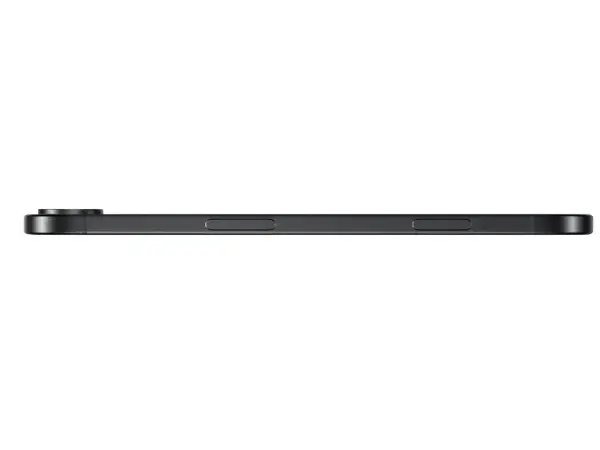
Apple Prepares for a Rewrite in Smartphone Thinness Apple is stealing headlines with plans for its new iPhone 17 Air, said to be the thinnest iPhone yet. According to rumors, it is supposed to be a meager 6.25mm thick, as opposed to the thickness of 8.25mm from the iPhone 16 Pro variants. This really is a bold step towards reinventing smartphone design for Apple and a return to the slender and featherlight models that made the iPhone 6 such a favorite; after all, the iPhone 6 was a scant 6.9mm thick. Thinness: The Technical Challenges While the iPhone 17 Air‘s design will still be considered a feat, it won’t beat Apple’s current thinnest device, which is the 13-inch iPad Pro by more than 1mm. A specific reason for the iPhone 17 Air’s final measurements is the struggles Apple has been experiencing regarding battery substrate development. Nonetheless, it will still beat the record as the thinnest iPhone to be ever made. A Unique Addition to the iPhone 17 Series The iPhone 17 Air will be an outlier in the otherwise design-carried-forward iPhone 17 series from the iPhone 16 lineup. As a high-end product, the Air will cost more, mainly because of its unique ultra-thin design. Internally, it will be much like the base iPhone 17, which further points out that the Air’s selling point is its looks and not some special hardware upgrade. The Debut of Apple’s In-House 5G Modem In addition to its striking design, the iPhone 17 Air will feature Apple’s first-ever custom 5G modem. However, early reports indicate that this modem may not match the performance of Qualcomm’s offerings. To ease this transition, Apple plans to debut the modem in the iPhone SE 4 before rolling it out to the iPhone 17 Air. This cautious approach reflects Apple’s strategy to refine its technology before wider implementation. Industry Implications of the Ultra-Thin Design There are rumors that the thickness of the iPhone 17 Air could be below 5mm to 6mm if Apple makes breakthroughs similar to those realized on the design of the iPad Pro. Such an achievement would no doubt set a new industry benchmark, inspiring competitors to follow suit. Future of the iPhone 17 Series The iPhone 17 Air will define itself by its design, but the rest of the series may use different materials: part-aluminum, part-glass for the iPhone 17 Pro, for example. Gone, it seems, is the titanium finish that was a feature of the Pro model in previous years. If ultra-thin is good enough for the Air, though, it’s anyone’s guess if it will trickle down into the wider iPhone range. Conclusion iPhone 17 Air is a realization of Apple’s commitment to innovation, balancing cutting-edge design with practical considerations. Having an ultra-thin profile and integrating Apple’s customized 5G modem, it brings exciting signals toward the development roadmap of future smartphones. Amidst growing anticipation, it could redefine consumer expectations, keeping Apple ahead in the league. Source: Bloomberg
Nintendo Switch 2 Event Now Planned for May Amid Release Speculations

Rumored Release Window: Late May to June Following the highly-anticipated Nintendo Switch 2, recent industry discussions have pointed toward a release window between late May and June. This has now been further elaborated on in one of the latest podcast episodes by popular insider NateDrake, who said that at the end of September/beginning of October, conversations among publishers and industry partners indeed pointed toward this timeframe. It is not set in stone yet, but this window is being seriously considered for the launch of Nintendo’s next-generation console. Exclusive Event Expected in May Adding to the speculations, NateDrake says that Nintendo will hold an event for the Nintendo Switch 2 in May. While specific details of the event are unknown, it might be done in a similar fashion to that of January 2017 for the original Nintendo Switch. In that event, the media got some hands-on time to see what was coming to the console before it finally hit the shelves. Keeping on such a schedule, this may event would set the scene for a June release. It can further mean that a summer release would perfectly coincide with other mega gaming events like Summer Game Fest and PAX East-ideal time for fans to finally get their hands on this latest console, and media also covers it extensively. Partners Preparing for Launch Signs that Nintendo’s partners and accessory makers are preparing for the launch continue to add to the speculation of its impending release. Images and online listings for new Joy-Con controllers and other accessories have already appeared, indicating that companies are readying for the console’s arrival. What to Expect Next? While the release date has not been announced for Nintendo Switch 2, the excitement and planned event in May indicate the fans will not have to wait too long anymore to behold what Nintendo has been busy with. The new console is reportedly in development since some time, and gamers are eager to discover how it would build up on the success of the original Nintendo Switch. If the rumoured timeline proves to be correct, the Nintendo Switch 2 might well make a splash into the gaming world this summer-a huge jump for the brand icon.
Apple Originally Planned for an Even Smaller Mac mini, But Cooling the M4 Pro Posed a Challenge
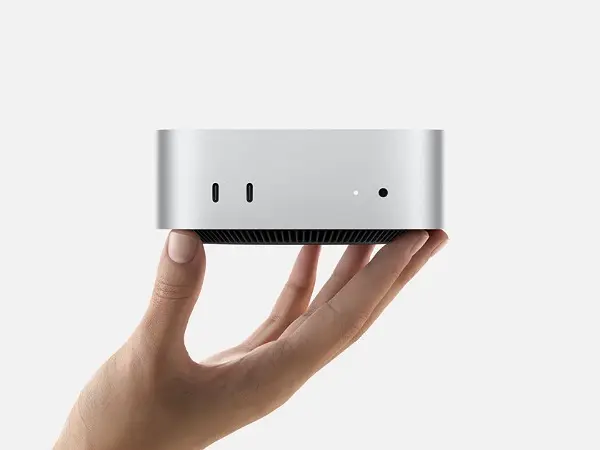
Apple‘s redesigned Mac mini is an ambitious attempt at a balance between compactness and performance. While Apple did toy with the idea of making the Mac mini even smaller, it was challenges with thermal management and performance constraints of the high-powered M4 Pro chipset that have shaped its current design. Despite this, Apple has managed to pack remarkable technology into its latest model. The Balancing Act: Power vs. Size In an interview with Fast Company, Apple’s Vice President of Hardware Engineering, Kate Bergeron, and marketing executive Sophie Le Guen highlighted the complexities of designing the Mac mini. According to AppleInsider, the engineering process was a delicate balance between creating a compact form factor and ensuring the machine could handle the demands of advanced Apple Silicon processors. Ultimately, perfecting the cooling system was the key to having this M4 Pro variant. And what the team had to ensure was a proper dissipation without adding to the noisiness. She also suggests that if the Mac mini were solely designed for the less-powerful M4 chip alone, Apple might have managed with an even smaller chassis. Clever Engineering: Cooling and Space-Saving Innovations At once, the engineering genius behind the Mac mini is a triumph: to save space, it developed a unique cooling system that includes a spiraling heatsink and separated the secondary motherboard for wireless connectivity chips. These innovations thus managed to balance performance with maximum internal efficiency without compensating one for the other. Equally remarkable is how Apple reimagines the power supply unit. Components line up horizontally, and cutouts are etched out on the tiny PCB for the sole purpose of efficient usage of that small area. That might be costly and actually represents just another area in which the company reinforces its penchant for smaller, better-engineered computers. Yet the base-model Mac mini remains reasonably affordable: it’s priced at an aggressive $599. Best Bang for Buck What has helped the Mac mini gain the top slot in the market is its high-end performance for the price. With affordability on one side and power supplied through the M4 and M4 Pro chipsets on the other, it’s certainly leading the compact desktop category. As Bergeron made sure to note, none of the competitors can touch this price-to-performance value of the Mac mini. Mac Mini Special Offers That is good news for people in the market to buy a Mac mini. Amazon has slashed prices for the latest models of Mac minis. For only $579, one could get the base model fitted with 16GB of unified RAM and a 256GB SSD. The 512GB model option that strikes a decent balance between storage and performance is also currently available at a price of $744. Conclusion: A Small PC with Big Capabilities The new Mac mini shows how far Apple can push the envelope in design and engineering. The company has managed to strike a balance between size, performance, and price, targeting not only casual users but also professionals. Now is the best time to bring home one of these innovative machines with its current discounts.
Motorola Teams Up with Pantone on Mocha Mousse-Themed Phones
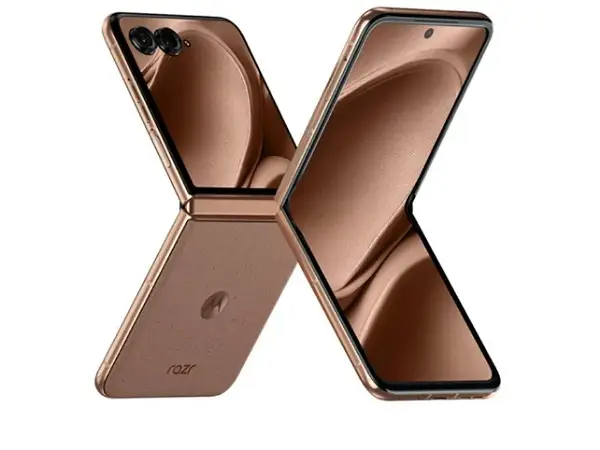
Motorola continues its partnership with the Pantone Color Institute, a move that has become one of the distinguishing features of its smartphone branding strategy. Every year, Motorola launches special edition devices in Pantone’s newly announced color of the year. For 2025, the color is Mocha Mousse PANTONE 17-1230, and Motorola has just announced that its Razr Plus (2024) and Edge 50 Neo will soon don the warm, earthy tone. Mocha Mousse: Pantone’s 2025 Color of the Year The Pantone Color Institute describes Mocha Mousse as a soft brown with rich undertones reminiscent of coffee and chocolate. This earthy hue evokes a sense of comfort and elegance, making it a versatile color choice for personal devices. It takes the place of 2024’s color of the year, Peach Fuzz, and follows the vibrant Viva Magenta, which held the spotlight the year prior. Special Edition Motorola Phones Motorola launches its Pantone edition Razr Plus (2024) and Edge 50 Neo, introducing a fresh hue to their portfolio. This device represents a stylish, atypical selection for those looking at a rare option from normal smartphone colours. The phone isn’t quite available yet but buyers interested in it can pre-book. To secure a spot on the pre-order list, customers simply need to provide their name and email address through Motorola’s official website. However, availability varies by region. U.S. customers will only have access to the Mocha Mousse Razr Plus (2024), as the Edge 50 Neo is not sold in this market. Motorola’s Ongoing Partnership with Pantone Motorola’s collaboration with the Pantone Color Institute underlines the commitment of the brand to merge technology and modern design trends.Motorola, by releasing smartphones in Pantone’s own signature colors, offers buyers a unique way to declare their individuality. This deal also reflects the rising power of color in tech marketing, as aesthetics become a major player in customer choice. Mocha Mousse, with its warm and inviting tone, perfectly fits into Pantone’s vision for 2025 and gives a touch of sophistication to Motorola’s product offerings. Conclusion Motorola’s Pantone editions keep finding a sweet spot in customers’ hearts who love stylish, trend-driven designs. With the introduction of Mocha Mousse, the company once again demonstrates its ability to stay at the forefront of design innovation. While U.S. customers will miss out on the Edge 50 Neo, the Mocha Mousse Razr Plus (2024) promises to be a standout choice for those looking to combine cutting-edge technology with refined aesthetics. Keep an eye on Motorola’s website to register and secure one of these limited-edition devices. Source: Motorola
Samsung Starts Rolling Out One UI 7, Based On Android 15 In Beta For The Galaxy S24 Series
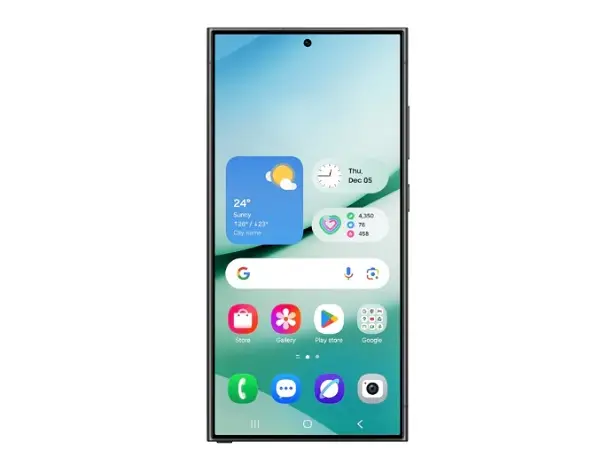
Samsung is continuosly revolutionizing its ecosystem by delivering major updates for both hardware and software. Recently, with Android 15 already rolled out for Google Pixel devices, Samsung has announced the One UI 7 beta for its Galaxy S24 series. With enhanced features, a redesigned interface, and improved security, the beta gives a sneak peek into the future of Galaxy devices. While currently limited to beta program participants, the full release is expected to arrive in early 2025. Introduction to One UI 7 This One UI 7, based on Android 15, introduces quite a leap for Samsung. Now that the Samsung One UI 7 official beta has been released for the Galaxy S24 series line, it’s coming a bit later than expected but hopes to justify the wait with its major redesign and feature set. The update was launched in September, proving that Samsung does not launch software prematurely but takes its time to ensure the product is polished and transformative. The most striking feature of One UI 7 is perhaps its all-new design. Everything, from widgets to the notification tray, has been redesigned. The notification tray and Quick Settings are now two separate entities, with users having an option to switch between the new layout and the classic combined look. Samsung has also brought bold changes to system icons in order to make them more modern and dynamic. Besides, it will give users more control over the lock screen by adding more personalization features. Introducing the “Now Bar” But probably one of the most highly-discussed features in One UI 7 is going to be the “Now Bar.” This will show real-time updates of actions-just think workouts-in notifications. It’s designed to mirror Apple’s Dynamic Island, and this new Now Bar is all about context at a glance. However, the exact integration with third-party apps is yet to be determined, and there’s definitely room for refinement. AI-Driven Enhancements Samsung has integrated AI to enhance productivity by simplifying user experiences. Some of the important AI features are: Writing Assist Tools: These tools help users summarize text, check spelling, and generally improve writing quality. Call Transcripts: This feature gives detailed summaries of conversations when call recording is enabled inside the Phone app. By leveraging AI, Samsung wants to make everyday tasks more efficient and intuitive. Upgraded Camera Experience The camera app is another area where One UI 7 shines. While details remain limited, the update promises significant improvements to functionality and performance, catering to photography enthusiasts and casual users alike. These changes underline Samsung’s dedication to enhancing the core features of its devices. Availability and Rollout Plans The One UI 7 beta is only available for Galaxy S24, Galaxy S24 Plus, and Galaxy S24 Ultra. However, the program is targeted at users of selected regions, including the United States, United Kingdom, South Korea, India, Poland, and Germany. A full release, which will reach all Galaxy users, is anticipated to come early in 2025. Samsung’s One UI 7 sets a new benchmark for Android-based user interfaces. Focusing on design, AI integration, and increased personalization, the update reflects the company’s vision for a more seamless and personalized digital experience. Be it trying out the beta or waiting for the final release, One UI 7 will surely redefine how users interact with their Galaxy devices. Source: Samsung
Google Pixel Update Finally Brings Native Device Temperature Monitoring
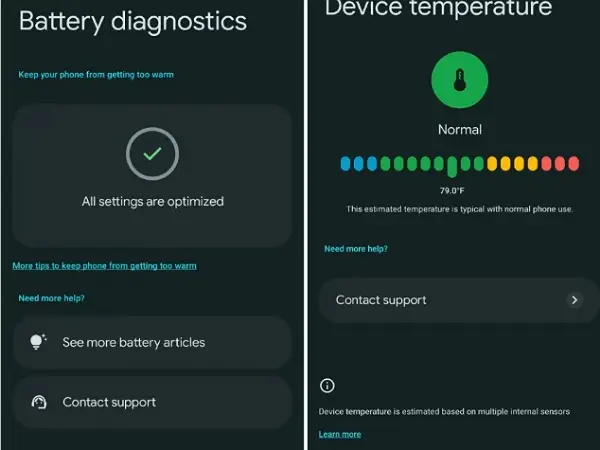
Google Pixel users can now check the temperature of their Pixel phones without the need for third-party applications. Google has updated its Pixel Troubleshooting app to add live device temperature reading into its list. Details of New Feature This handy feature is arriving with an update to the Pixel Troubleshooting app, version 1.0.693922709. Although the update is not yet live on the Google Play Store, sideloading has allowed users to get the newest version. Once installed, the device temperature option shows up under Settings > Battery > Battery diagnostics > Phone is very warm. This feature has been supported on the Pixel 6 and later, except for the Pixel Tablet. Sources have also confirmed that the feature works on the Pixel 7 Pro, Pixel 8 Pro, and Pixel 9 Pro XL. Addressing a Longstanding Gap Until now, Google Pixel devices have been criticized for their inability to allow users to monitor the temperatures of their device. Native-level solutions fill in this gap of ease in keeping track of phone performance more easily. The feature is pretty significant for Pixel users since these phones have traditionally been associated with running quite hot. Pixel 9 Series Insights This feature has arrived with various reports of the thermal performance of the Pixel 9 series. While testing showed the Pixel 9 models still run hotter than their predecessors, the Pixel 9 Pro XL did exhibit better stability during stress tests. Improvement in stress testing shows promise that Google is on its path towards working on managing heat generation by its devices. Future Expectations The addition of live temperature readings is a step forward for Pixel users that emphasize transparency and control over their devices. In the future, one can hope that new models, such as the rumored Pixel 10 series, will further improve upon thermal management and decrease the frequency of having to check on temperatures. This update not only improves the overall usability of the Pixel but shows Google is keen on listening to complaints and working to improve performance across devices. Source & Images: 9to5Google
Apple Delays iPad Pro Refresh: M5 Chip Expected in Late 2025
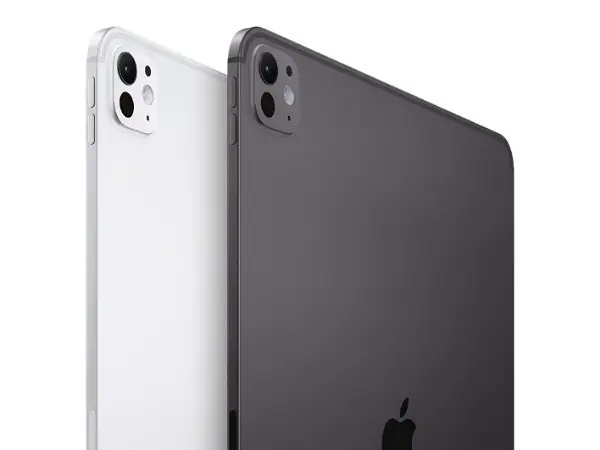
iPad Pro’s Redesign and M4 Chip Launch Apple launched the iPad Pro this year with powerful specs. The device has now received a more streamlined profile, coupled with the M4 chip, which brings much better performance along with a finer design. The iPad Pro line-up has been evolved much for better performance and an enhanced aesthetic. Still, it seems that Apple is spacing its next upgrade since the reports are now emerging that the iPad Pro with the new M5 chip won’t hit the market till late 2025. Analyst Insights: Mass Production Timeline Renowned Apple analyst Ming-Chi Kuo recently illuminated the timeline for the M5 iPad Pro in a post on Medium. According to Kuo, Apple intends to start mass production of the M5-equipped iPad Pro in the latter half of 2025, thereby pointing towards a possible launch by the end of next year. There is still a scarcity of specific details on the refresh, but Kuo confirmed that Apple intends to maintain its annual update cycle for the iPad Pro series. Apple launched the M4-powered iPad Pro in April this year. It can be expected that the version with the M5 chip might not land at the same time of year. Instead, a new OLED iPad Pro featuring an M5 chip may reach the market during the second half of 2025, according to the schedule set by Apple for future products. Spring Event Focus: No iPad Pro Updates Expected Initial rumors suggested Apple would announce the M5 iPad Pro at its spring event next year, around March or April, in conjunction with announcing the M4 MacBook Air. However, new reports from DigiTimes indicate that this spring event will be an iPad Air and MacBook Air refresh only, and the iPad Pro refresh will have to wait. Kuo also emphasized that the OLED iPad Pro will be the first device from Apple to come with the M5 chip, even before the MacBook Pro models. This strategy shows how Apple is looking to make the iPad Pro a next-generation product in its line. Possible Launch Scenarios If Apple sticks to Kuo’s timeline, the M5 iPad Pro may launch with the M5 MacBook Pro. But it is also possible that Apple may stagger the releases, giving each product its time in the spotlight. The refresh of the iPad Pro is much-awaited, but Apple’s plans are always subject to change, so one needs to take these predictions with a grain of salt. Minimal Design Changes for the M5 iPad Pro There are not likely to be radical external changes to the iPad Pro even though the M5 chip promises a significant performance improvement. Given the fact that the device has just been redesigned this year, it is unlikely that the M5 version will come with a different design language. Although the OLED display and better innards will make the performance better, users may not have enough reasons to upgrade based on looks alone. Conclusion The M5 iPad Pro is yet another step forward in Apple’s quest to deliver powerful tablets. However, with its release date pegged for late 2025, consumers will have to wait patiently as Apple fine-tunes its next-generation iPad Pro. Meanwhile, the current M4 iPad Pro remains the best option for professionals and tech enthusiasts alike.