
Lenovo Legion Go S and Legion Glasses 2 Leaked; To Be Announced During CES 2025
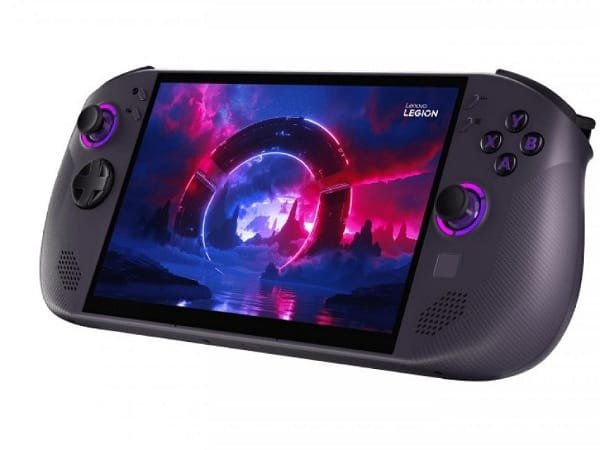
Lenovo is at it again, this time with the leak of images for its upcoming Legion Go S handheld and second-generation Legion Glasses. It looks like the company is ready to redefine portable gaming once more after the success of the original Legion Go. Portable Gaming Enters a New Dimension: Legion Go S The Legion Go S has been one of the most highly-anticipated announcements since rumors cropped up at the beginning of the year, hinting that Lenovo was indeed making a smaller and sleeker version of its handheld gaming device. Thanks to a recent leak by Evan Blass on X (formerly Twitter), fans have gotten their first high-resolution look at the device. High-resolution images not only show off the compact design of the handheld but also reveal color options, such as a subtle purple shade, alongside the previously seen white model. In terms of design, the Legion Go S retains much of the sleek, minimalist aesthetic of its predecessors, yet still exudes a functional vibe. Although actual hardware details are not confirmed, a previous rumor pointed to some high-end specs, including but not limited to: *A 120Hz refresh rate panel for smoother gameplay. *AMD Ryzen APU for heavy gaming tasks. *16GB RAM + 512GB SSD for performance and storage. *55.5Wh battery-pretty big for extended gameplay. These leaks are pointing towards the device nearing the final stages of design. Many are already speculating an official unveil at the upcoming CES 2025 event. Revolutionizing Visuals: Legion Glasses 2 The other leak is the Legion Glasses 2, Lenovo’s next move in marrying virtual reality with handheld gaming. Building upon the first generation of Legion Glasses, which launched alongside the first Legion Go, the second-generation model is much improved in design. These VR-enabled glasses allow gamers to enjoy a greater virtual display without the need for a screen. The aviator-style lens design equips the Legion Glasses 2 with a slimmer profile, hence more lightweight and comfortable compared to its predecessor. While the leak doesn’t provide any information on their specifications, it is assumed that the Legion Glasses 2 will still be plug-and-play devices, needing a wired connection to the Legion Go S to function properly. Anticipation Builds Ahead of CES 2025 With both the Legion Go S and Legion Glasses 2 appearing in these leaks, it’s highly likely Lenovo will officially unveil them at CES 2025. If the devices make an appearance at the event, gamers can expect a launch date shortly after. With the powerful handheld game console combined with advanced VR glasses, Lenovo is definitely positioned to give strong competition in the portable gaming market. Be it the rumored high-performance specifications of the Legion Go S or the enhanced design of the Legion Glasses 2, Lenovo seems committed to pushing the boundaries of gaming technology. What This Means for Gamers The Legion Go S and Legion Glasses 2 have the potential to redefine portable PC gaming for gamers in general. Their sleek design, together with innovative features, could attract a lot of enthusiasts looking for a high-class handheld solution. During CES 2025, the whole world will be looking at Lenovo as these devices are taken for a spin in real life. Until then, the leaked images and rumored specs will give plenty of reason to get excited about for gamers. Source
New Galaxy Ring Sizes and Features Rumored
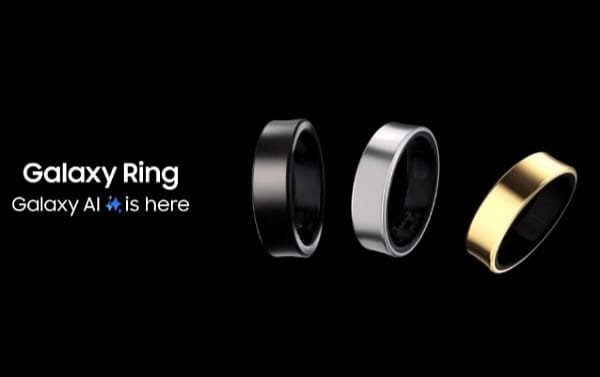
Larger and Small Galaxy Rings According to new rumors, Samsung’s innovative Galaxy Ring will boast new size options. Max Jambor, a known insider in the industry, recently took to X to insinuate that the South Korean company is already developing other sizes for its smart ring. These purported SM-Q514 and SM-Q515, US Ring Size 14 and US Ring Size 15, respectively. According to the leak, these new sizes are expected to weigh around 3.2 grams each, with diameters of approximately 23mm and 23.8mm, respectively. If the rumors hold true, Samsung might officially announce these larger sizes in January, potentially aligning with the brand’s anticipated Galaxy Unpacked event. Potential for Bigger Batteries More large-galaxy ring sizes should imply more advantages, perhaps leading to extended capacity battery possibilities. Currently, sizes go from 5-13. At Galaxy Ring size 5 battery sizes top-out at 18m Ah in while the largest size available — size 13 tops at 23.5. The increased battery life would be a nice addition to people who use the Galaxy Ring for health and fitness tracking. However, Samsung has not commented on these developments yet, and it only leaves fans wanting to know more. Delayed Launch Timeline This isn’t the first time that expanded Galaxy Ring sizes have been rumored. Similar reports back in September suggested sizes 14 and 15 were in the works, with a launch expected in the following weeks. However, those predictions didn’t materialize in October or November, leading to speculation that Samsung has shifted its timeline to early 2025. The new sizes could be announced at the Galaxy Unpacked event, which is rumored to take place in January. As the Galaxy S25 series is also expected to make its debut around that time, Samsung could use the event to show off the expanded Galaxy Ring lineup with its flagship smartphones. Looking Ahead: The Galaxy Ring 2 But even with a lot of attention on the current Galaxy Ring, there is equal excitement over rumors of its successor, the Galaxy Ring 2. A patent uncovered last October indicated that the next-gen smart ring may include a “resizing structure.” The design will make the ring fit any size by adjusting its interior with flexible components inside without needing multiple outer sizes. Other rumors of the Galaxy Ring 2 include an improved battery life and a thinner profile, further making the device a pretty cool thing for wearable tech enthusiasts. Samsung’s Smart Ring Dream Galaxy Ring is the first smart ring by Samsung, packing various health and fitness features with the help of AI. In fact, it has clicked for the majority of users because it comes in several colors and various sleek designs. If the rumored new sizes and improved features come to fruition, Samsung could further cement its status as a leader in wearable technology. For now, all eyes are on January, when the tech giant is expected to make its next big announcement.
Google Pixel Update Adds 80% Charging Limit and Bypass Charging

An exciting new feature has come to Google Pixel phones in the December 2024 update for Android 15 QPR1: an option to limit battery charging to 80% for preservation of its health. And that’s not all; it seems this also flips on a somewhat lesser-known feature called “bypass charging,” which will bring additional advantages to users who are interested in preserving the life of their battery. The 80% Charge Limit: A Step to Safeguard Battery Health The new limit of 80% is to minimize wear and tear on a phone’s battery. Regularly charging a battery completely to 100% may quicken the degradation of a battery over time and thus reduce its lifetime. In this respect, by limiting the charge to 80%, Google wants to increase the longevity of the Pixel devices-a very critical feature as the company wants users to keep their phones up to seven years. That will allow several generations of Pixel users to enable the feature for improved battery management. What is Bypass Charging? A surprising element included in this update, at least seemingly so, is “bypass charging.” Discovered by Android Authority, this feature lets Pixel phones directly use power from a charger, not from the battery, once that 80% threshold has been reached. Testing showed that once the battery reaches 80%, the phone throttles down to match power draw to use. For instance: *While idle, the phone consumes only 0.1W of power. *Switching the screen on increases this to 0.74W. *Running apps can take the power draw up to 2.6W. *Heavy-duty performance tasks, such as benchmark running, push it to a maximum of 7.6W. This behavior indicates that the phone bypasses the battery altogether, pulling power directly from the plug. When “Adaptive Charging” is re-enabled, the device returns to typical charging patterns. Benefits of Bypass Charging Bypass charging has a couple of advantages, especially for heavy users. For mobile gamers, this feature is a game-changer. It allows the phone to maintain performance without depleting the battery or causing overcharging, which can generate heat and degrade the battery. Besides that, bypass charging also helps reduce the amount of heat generated during intensive tasks, which is one of the most common problems in gaming-focused smartphones. Many gaming-specific devices already offer bypass charging, and its inclusion in Pixel phones marks a step forward for everyday users. Device Compatibility and Future Potential While the 80% charging limit has been made available on several Pixel models, bypass charging has only so far been confirmed on the Pixel 8 Pro. It is probable that this feature extends to other models such as the Pixel 8, Pixel 8a, and Pixel 9 series, but this remains unverified. Even though users may not know about bypass charging, it can silently prolong the life of their devices. As Google continues to emphasize the themes of sustainability and long-term usability, features like these will become even more central to how Pixel phones stay relevant in the years ahead. This update is just another example of how Google works to improve the user experience while addressing some long-term issues like battery health and device durability. Images and source: 9to5Google
Google Introduces Android XR: A New Platform for Extended Reality
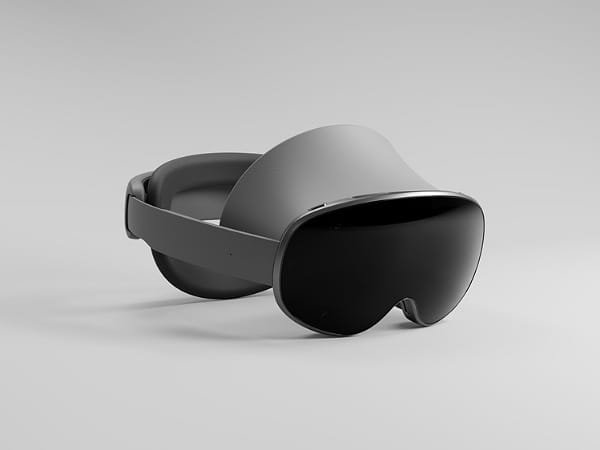
Introduction to Android XR Google has announced Android XR, a new platform that brings AI capabilities into the extended reality of headsets and glasses. The platform will make it easier to develop apps on multiple devices and will be compatible with existing tools like ARCore, Android Studio, Jetpack Compose, Unity, and OpenXR. Developer Preview and Tools The first developer preview of Android XR is now available, and that means developers can start creating immersive and augmented reality experiences. To help them in making those apps, Google has introduced an Android XR Emulator in the Android Studio, which would let the developers test their apps in a virtual XR room using a keyboard and mouse to navigate around. It will launch alongside Samsung’s Project Moohan headset, which is set to launch next year. This new platform from Google, Samsung, and Qualcomm is a major move in the evolution of XR. The Project Moohan headset will seamlessly transition users between fully immersive experiences and augmented overlays on real-world surroundings. Reports indicate earlier delays in the headset’s release due to disagreements between Samsung and Google. But it would appear the partnership remains set on creating a competitive product to go against Apple’s Vision Pro. Improved Compatibility and App Ecosystem One of the key features of Android XR is that it will continue to support existing mobile and tablet apps from the Google Play Store. This essentially means that when users buy an XR device, they will immediately have access to a large number of apps. Furthermore, Google is specifically redesigning core apps, including YouTube, Google TV, Chrome, Maps, and Google Photos, for a more immersive screen experience. Gemini Integration for Smarter Control Google also is integrating its AI-powered assistant, Gemini, into Android XR. Gemini lets users control XR devices, search for contextual information, and interact with apps using voice. Demos showed Gemini summarizing group chats, making recommendations, and helping users complete tasks, such as hanging shelves or finding gifts. Future of Android XR Google imagines the next versions of Android XR extending to include glasses that offer “all-day help.” Consumer launch dates are still unclear, but the company has already started testing prototypes with select users. More X device makers, such as Lynx, Sony, and XReal, will support Android XR, further expanding reach. Competition with Apple and Market Positioning Many consider Android XR to be Google’s answer to Apple’s $3,600 Vision Pro, which was criticized for the small app library and hefty price. Google is leveraging backward compatibility with existing apps and a solid ecosystem to make things easier for consumers. The price of the Project Moohan headset remains unannounced, but the game plan for Google involves the availability and affordability of apps as it looks to win over consumers. Partnerships and Innovations Continue Google has confirmed that it continues to collaborate with companies like Magic Leap while supporting Qualcomm’s XR solutions. It is not yet certain whether Magic Leap will fully implement Android XR, but the partnership does signal Google’s commitment to XR technologies moving forward. Conclusion With Android XR, Google aims to create a long-term sustainable platform for both hardware manufacturers and software developers. Based on the earlier AR and VR projects such as Daydream and Cardboard, the company now focuses on developing a common ecosystem to make the XRs accessible, versatile, and practical for everyday use. Images: Samsung, Google Source: Samsung, Google
Nintendo Switch 2 Design, Controller And Screen Leaked In New Video

The next generation of Nintendo Switch 2 is highly anticipated by Nintendo fans worldwide. Fresh excitement has been stirred up with a new video. YouTuber SwitchUp recently unveiled a 3D-printed mock-up of the rumored console, giving fans a glimpse into what it may look and feel like. A First Look at the Design and Screen According to a report, the 3D-printed model-a mock-up-is reportedly done by a Chinese case manufacturer showcasing an in-depth look at what might just be the Nintendo Switch 2. Given accessory makers quite regularly build prototype models based on early leaked designs, that’s likely how this was made. The video goes on to pit the new model up against the current Nintendo Switch OLED version, and differences abound in the size of the screen, general design aesthetic, and feel of the Joy-Con controllers. One of the noticeable highlights in the mock-up is, of course, the display, which is supposedly set to natively run in 1080p. This was a major bump from the then-current OLED model’s 720p while in handheld mode, promising a quite sharper visual for gaming on the go. While nothing is known if it’s scratch-resistant or touch-enabled, the design seems sleek and modern. Performance Expectations: NVIDIA’s Tegra T239 Chip Beyond physical design, much of the chatter for the Nintendo Switch 2 focuses on its capability speculations. Leaks hint at a system powered by the chip called NVIDIA’s Tegra T239-a chip tailor-made to deliver enhanced performance. It will also support the capability of NVIDIA’s Deep Learning Super Sampling, known as DLSS, that upscales lower resolutions for smoother visuals. While DLSS could significantly improve gaming experiences, it’s unlikely the console will achieve native 4K resolution for demanding titles. Instead, the Switch 2 may balance visual fidelity with the performance capabilities of the handheld. Fans are hopeful that the new console will excel at delivering a seamless gaming experience both on the go and docked to a TV. Is the Reveal Imminent? Despite increasing leaks and rumors, Nintendo has not officially confirmed the Switch 2. It’s kept a tight seal on the details, which is pretty typical for a major product launch from the company. Repeated leaks of 3D-printed models and specs, though, do point toward an impending reveal. This suggests most of the leaked information surrounding the Switch 2 might indeed be accurate. Fans also remain excited at surprises the gaming house could still spring on it. Could there be new revolutionary features not leaked yet? And more functional upgrades for Joy-Con? Things That Fans Will be looking at As the time builds up, gamers are keen on seeing how Nintendo innovates with the Switch 2. The promise of great graphics, a sharper display, and a more refined design itself is enough to keep people chattering, but Nintendo’s hallmark is always how it introduces features no one is really expecting. For now, the community can only speculate. However it might happen, either through an official channel or via more leaks, one thing is certain-the Nintendo Switch 2 is going to be one of the most talked-about gaming devices this decade. The whole world of gaming is in wait for when Nintendo decides to pull back the curtain on their big next move.
Google Pixel 9a: Specifications, Features, and Expected Date of Release
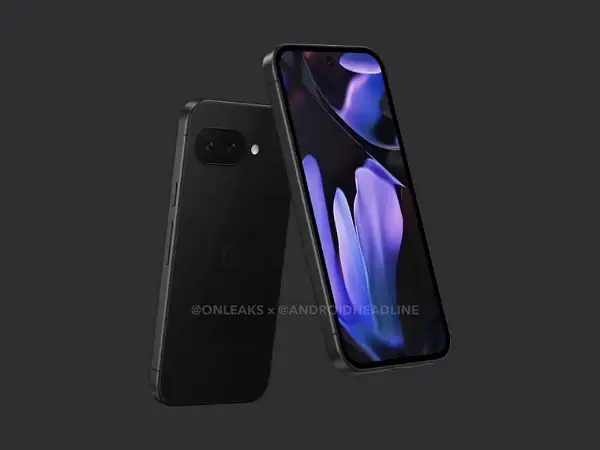
Google is gearing up to launch its much-anticipated Pixel 9a much earlier than expected next year. New reports suggests the phone retaining its budget-friendly price of $499 while offering major upgrades in performance, design, and battery life. Early Release in March 2025 Google is reportedly targeting a March 2025 release for the Pixel 9a, marking an earlier launch compared to its predecessors. This timeline aligns with numerous leaks and rumors surrounding the device. Upgraded Performance with Tensor G4 Chip The Pixel 9a will have a Tensor G4 chipset with a special version of it, while the capacity is pegged at 8GB + 128GB or 256GB, utilizing UFS 3.1 technology. And it also includes Google’s Titan M2 security chip to offer high security for the protection of user data. Enhanced Display and Durability It will reportedly boast a 6.3-inch screen with Gorilla Glass 3 protection. It manages to pump up a remarkable peak brightness of 1,700 nits for regular use and up to 2,700 nits for HDR, along with a smooth refresh rate of 120Hz. This is definitely something that would appeal to both streamers and gamers alike. Camera Upgrades Photography enthusiasts will get a more powerful 48MP Samsung GN8 Quad Dual Pixel primary camera and a 13MP Sony IMX712 ultra-wide sensor on the Pixel 9a. The front camera will also use an IMX712 sensor to ensure sharp selfies and clear video calls. Bigger Battery and Faster Charging The Pixel 9a will be powered by a bigger 5,100mAh battery compared to the previous leaks suggesting 5,000mAh. It will also support 23W wired charging and will retain 7.5W wireless charging sans Qi2 support. With the larger battery, it still manages to weigh a reasonable 185.9 grams and measures 154.7 x 73.3 x 8.9mm. Changes in Design and Durability The Pixel 9a ditches the iconic camera bar that made previous models instantly recognizable. Instead, there’s a matte finish on the back and an under-screen “Goodx G7” fingerprint sensor. Meanwhile, it also retains an IP68 rating against dust and water, making it perfectly capable to withstand everyday bumps. Software Support The Pixel 9a will come with Android 15 out of the box and will keep its promise of seven years of software updates, making it future-proof for budget-conscious buyers. Connectivity and Price The phone will include DisplayPort 1.4a support for 4K video output, a physical SIM slot, and a $50 premium for a mmWave variant. The base price remains the same at $499, keeping the Pixel A series affordable. Final Thoughts The Pixel 9a is shaping up as an excellent mid-range option with significant upgrades on design, performance, and battery life. Its competitive pricing and commitment to long-term software support make the Pixel 9a be in a good position as a budget smartphone. With its expected launch just three months away, anticipation for the device is building fast. Source& Images: Android Headlines
Nintendo Switch 2: How NVIDIA DLSS and Resolution Expectations Factor In
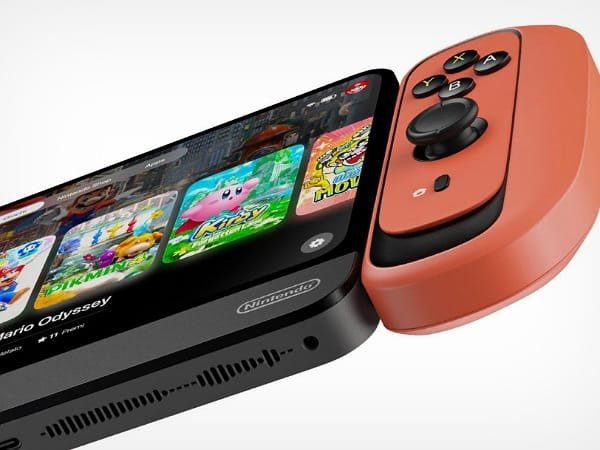
The Nintendo Switch 2 is going to feature NVIDIA’s Deep Learning Super Sampling (DLSS) to improve gaming performance. Still, the system’s hardware will likely struggle to achieve high resolutions such as 4K docked or 1080p handheld. DLSS: The Backbone of Nintendo Switch 2 Graphics Digital Foundry, one of the leading tech analysis groups, recently discussed the potential performance of the Nintendo Switch 2 on their podcast. In response to a fan query about resolution output, the experts said that DLSS will be a cornerstone of the console’s visual capabilities. It’s not expected to compete in the same ballpark as current-generation gaming systems like the PlayStation 5 or Xbox Series X, considering the system is expected to use a mobile chip, so instead it will use DLSS to upscale visuals efficiently. But DLSS is a power-hungry technology, so it’s not always going to hit those lofty resolutions. For handheld gaming, the tech will likely aim for 720p or 900p. Ports of older titles-say, from the PlayStation 4 and Xbox One era-could reach 900p to 1080p in handheld mode and up to 1440p when docked. Struggles with Demanding Games In the case of more graphically intensive modern games, some limitations are likely to present themselves with the Nintendo Switch 2. Here, developers will have to make a careful balance between the output resolution and visual quality. Output resolutions may drop off as low as 720p for handheld mode and not exceed 1440p in most third-party games when in docked mode. Nintendo’s first-party titles may adopt this approach, though. These titles may provide far less complex game content, ensuring developers keep costs low to help achieve higher resolutions, sticking to the performance thresholds many Nintendo fans have been bred to expect. That historical approach would also explain some of Nintendo’s longstanding neglect in terms of graphical innovation while developing games. Unreal Engine 5 Challenges One area where the Nintendo Switch 2 might struggle significantly is with games developed on Unreal Engine 5. Features such as Lumen, which offer more realistic lighting, can be noisy and rough at low resolution. Developers may use higher internal rendering resolutions at the expense of output resolution or adjust other visual settings to keep the game playable. Despite these compromises, the small screen size of the Switch 2 could help mask these issues, making the games look acceptable in handheld mode. Optimized DLSS for Nintendo Switch 2 A game-changer for Nintendo Switch 2 would be an optimized version of DLSS, fit for its hardware. This would not be unprecedented; Hello Games implemented a lightweight version of AMD’s FSR 2 technology on the Switch port of No Man’s Sky. If NVIDIA creates a similar solution, the Switch 2 could achieve improved performance while minimizing the compromises associated with traditional DLSS. Awaiting the Official Reveal While Nintendo hasn’t yet officially announced the Switch 2, the industry speculation just keeps on coming. The reliance on DLSS and the constraints of the hardware point toward innovation and cost-effectiveness over raw power for the console. Gamers are awaiting an official announcement to know the extent of what the next-generation Switch can deliver. Source
Apple Watch Ultra 3: Satellite Messaging, New Health Features Expected
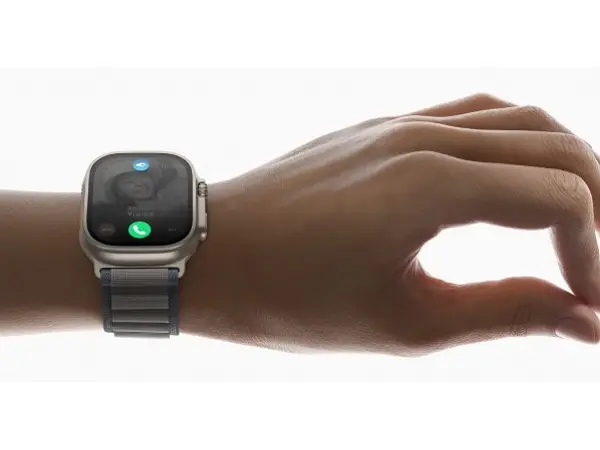
Satellite Messaging: The Most Significant Addition The Apple Watch Ultra 3 will introduce satellite messaging for the first time on any smartwatch. Mark Gurman, a tech insider from Bloomberg, predicts this feature will permit users to send text messages outside of cellular networks and without Wi-Fi. It just links directly with satellites for service in remote regions. This is a massive development leap of the Apple Watch series, as it means users can leave their iPhones at home and not sacrifice communication abilities. Satellite communications first arrived with the iPhone 14 in 2022, while last year it extended to roadside assistance capabilities. With the Ultra 3, that’s coming onto your wrists. The Apple Watch Ultra 3 may also support blood pressure monitoring, but this is not as sure. It was supposed to be released in 2023 but has been delayed and is no longer a given. Instead of showing the exact blood pressure, the watch would detect the risk of hypertension. Additionally, Apple is working on a non-invasive blood glucose tracker. However, this groundbreaking feature is unlikely to debut in 2024, as it remains in the development phase. These health-focused updates aim to solidify the Apple Watch’s position as a leading health monitoring device, aligning with Apple’s vision of empowering users to manage their wellness proactively. Boosting Smartwatch Sales Amid Slower Growth Apple’s decision to provide satellite messaging and health features is the strategic way to target a renewal in smartwatch sales: Revenue from Apple’s wearables business has fallen over the past two years as consumers didn’t see many reasons to upgrade. By integrating advanced features such as satellite communication to possibly blood pressure monitoring, Apple hopes to make this Watch Ultra 3 a robust choice for both new purchasers and existing users looking to upgrade. Switching to MediaTek Modems: A First for Apple Watches In another significant development, some Apple Watch models in 2024 may transition to using MediaTek modems instead of Intel’s. This is the first time Apple has sourced a major component from MediaTek. These new modems will support 5G RedCap, a specialized 5G service designed for wearables and other devices that don’t need high-speed data connections. It is clear that Apple intends to develop better connectivity and efficiency in their wearables. Conclusion: Innovation to Drive the Future of Wearables The Apple Watch Ultra 3 looks set to be a game-changer in the smartwatch world, with satellite messaging and possible health monitoring at the front of the charge. As Apple looks to reinvigorate interest in its wearables, these could very well set new standards for the industry. From advanced technology to health-centric capabilities, the Ultra 3 will be so much more than just a smartwatch; it’s on its way to being an essential gadget in communication, health management, and beyond.
GTA 6 Release Window Is Already Impacting The Whole Gaming Industry

Anticipation reaches an all-time high. Grand Theft Auto 6 is set to become one of the biggest video game releases ever. This will be a huge entertainment event if it indeed starts this fall. Originally, Rockstar Games had a plan for a Fall 2025 release, but delays are likely to extend the launch into 2026. Gaming Giants Reconsider Launch Strategies According to a recent Bloomberg report, competing publishers are hesitant to confirm release dates for their major titles in Fall 2025. They are closely monitoring Rockstar’s plans to avoid competing directly with GTA 6. The game’s release is expected to dominate global sales and attention, making it a significant challenge for any title launching in the same timeframe. Analysts have speculated that GTA 6 could set new records not just in gaming but across the entertainment sector. Its impact on the industry is already evident, with developers strategizing ways to position their products far from its launch window. Rockstar Games: Silent but Ambitious Rockstar Games and parent company Take-Two Interactive have been tight-lipped regarding news of GTA 6 in the last few months. In May, Take-Two reassured gamers that the game is on track to hit Fall of 2025 for PlayStation 5 and Xbox Series X|S. However, some insiders say it might be further delayed well into 2026. Though such delays may upset some fans, they also reflect the commitment of Rockstar to delivering a groundbreaking experience. PC Players May Face Longer Wait One notable aspect of GTA 6’s release is its platform availability. While console players are expected to gain access first, PC gamers may have to wait longer. Although a PC version of the game is inevitable, it has not yet been officially announced. Traditionally, Rockstar has staggered the PC releases of its flagship titles to optimize performance and address technical challenges. Technical limitations on consoles might also affect how well the game runs. For example, base model PlayStation 5 and Xbox Series X|S will likely be aiming for 30 FPS gameplay. Even the PlayStation 5 Pro will probably have issues holding 60 FPS in most scenes due to CPU constraints. A Landmark Moment for Gaming Despite the unclear release date and performance, the GTA 6 is poised to revolutionize the gaming world in more ways than one. Having the potential to outshine every movie and music launch ever, that shows the increasing power of video games as a cultural phenomenon. While the gamers are awaiting news from Rockstar Games, one thing is for sure: GTA 6 is going to be no less than a cultural craze that shall leave its mark on the industry. Source: Bloomberg
Apple iPhone SE 4: Features, Design, and Pricing Revealed
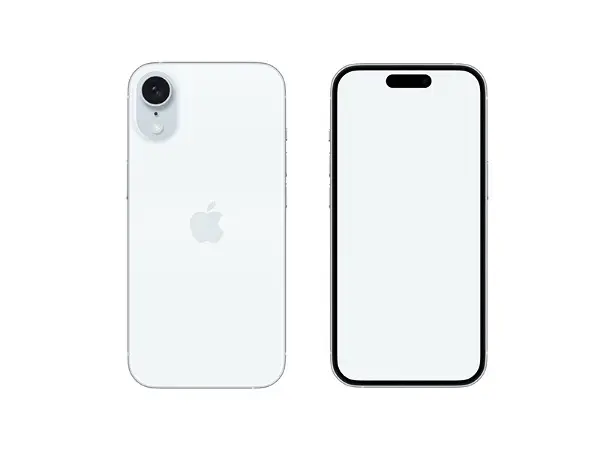
Apple is getting ready to launch its fourth generation of the iPhone SE early next year, and it promises to bring in a significant boost in design, camera, and performance. Though some information regarding the device has come up in recent months, the camera setup of the same has been speculated on. Here’s everything we know so far about the iPhone SE 4. Improved Camera System: 48MP Rear and 12MP Front According to reports from ET News, the iPhone SE 4 will feature a single 48MP rear camera-a significant improvement from its predecessor. Advanced features of the camera module would include 2x zoom, wide-angle shots, and all other capabilities present in the iPhone 16’s Fusion lens. This would give the SE 4 significantly better camera performance in its class. The front-facing camera is also getting an upgrade, with a 12MP TrueDepth lens for sharper selfies and improved FaceTime calls. Notably, the iPhone SE 4 will include Face ID, a feature that enhances both security and convenience, hinting at a modernized design for the device. Competitive Pricing and Modern Design Apple is marketing the iPhone SE 4 as an affordable way into its portfolio. Priced between $400-$500, it will become the most affordable iPhone having a sleek, modern build. And despite being cheaper, SE 4 will be loaded with high-end specs, thus turning out to be a great ‘value-for-money’ device for Apple fans on a lookout for an affordable option. Powerful Internals: A18 Chip and AI Capabilities The iPhone SE 4 is supposedly powered by Apple’s A18 chip, the very same chip inside the iPhone 16 and iPhone 16 Plus. Such an advanced chipset makes for great performance and future-proofs the device for years to come. It’ll also boast 8GB of RAM to handle even Apple’s upcoming AI features, including enhanced Siri interactions and intelligent app functionality. This combination of hardware on the back makes the iPhone SE 4 an attractive option among those in search of performance-oriented smartphones with an accessible budget in mind. Connectivity: Apple’s Custom 5G Modem Apple will allegedly make its custom 5G modem’s debut with the iPhone SE 4 in an attempt to further reduce its dependence on Qualcomm. This won’t be quite as good as Qualcomm’s, but it is a massive step in the process of hardware independence that Apple seeks. According to reports, three variants of the Apple 5G modem are currently in development to hit different devices over the coming three years. Will the iPhone SE 4 Affect Flagship Sales? The iPhone SE 4, with its reasonable price, advanced camera, and high-end performance, raises questions about how well it will affect the sales of its future flagship siblings, such as the iPhone 17. Priced attractively and powerful, it could lure budget-minded customers who might otherwise purchase higher-end devices. Conclusion Setting up to be a game-changer in Apple’s lineup, the iPhone SE 4 packs in some premium features like a 48MP camera, Face ID, and the A18 chip into a hard-to-beat price. And with Apple targeting a wider range of customers with this release, it looks like the device will squarely take on the mid-range smartphone competition. Source: ETNews Images: 91Mobiles