
New iPad Air Models To Launch This Year With M4

Apple will put the M4 chip in its iPad Air lineup so the series above the base model will get an upgrade. Until now the M4 chip was in the top of the line 11- and 13-inch iPad Pros so the Air will get big performance and efficiency boosts without a price increase. iPad Air Upgrade to Get M4 Chip According to Mark Gurman at Bloomberg the new iPad Air will keep the current 11- and 13-inch designs but swap out the M2 chip for an M4. The Air lineup currently starts at $549 for the 11-inch with 128GB and $699 for the 13-inch so the M4 models may keep the same pricing. This will be competitive pricing and a great value proposition for the M4 chip. Why M4 Matters M4 is a huge leap forward for Apple’s silicon. The chip is fabbed on TSMC’s 2nd gen 3nm process and is up to 45% faster in some benchmarks (Geekbench 6) than the M2. M4 is faster and more power efficient than M3 Pro and Qualcomm’s Snapdragon X Elite. M4 supports ARM’s Scalable Matrix Extension which makes complex tasks easier. Good for productivity and gaming; older AAA titles like Death Stranding run smooth on this chip. Features and Limitations M4 will give the Air more performance but the tablet won’t have premium features like OLED and ProMotion which are exclusive to the pro models. These omissions will keep the iPad Air cheaper and more consumer friendly. Apple skipped the M3 chip for the Air and that’s a good sign as the M3 was a transition chip. By going to the M4 Apple is positioning the iPad Air as a powerful and efficient device in its segment. Market Impact As long as Apple keeps the Air at $599 for the M4 models this new lineup will cut through the noise. Big performance and energy efficiency at a very competitive price makes the iPad Air a great option for those who want high performance without the premium of the iPad Pro. Design and display stays the same but with M4 power the iPad Air will remain one of the best values in its segment. That’s just another proof that Apple is bringing the latest tech to all products that reach the most people. Via
OnePlus Open 2: What We Know So Far
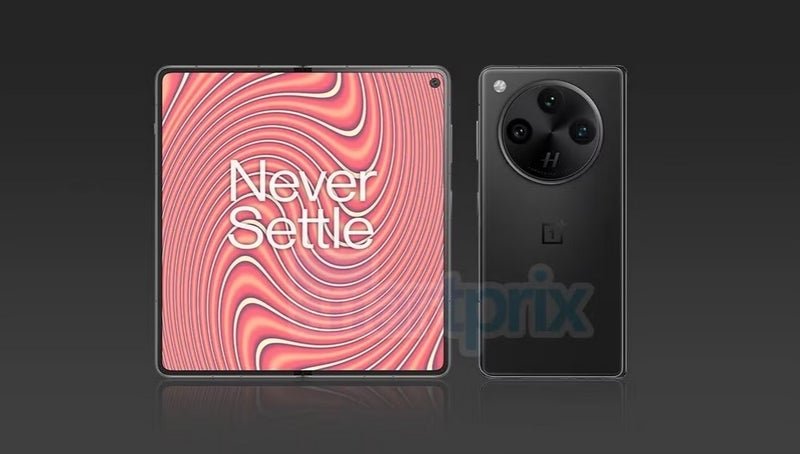
Introduction According to the latest rumors, the OnePlus Open 2 won’t be out until July 2025. Being the successor of the first gen OnePlus foldable which was launched last October 2023, Open 2 must have big updates in design and performance. Shared Designs Between OnePlus and Oppo OnePlus is a subsidiary of Oppo under BBK Electronics and they often share designs and features. BBK Electronics is also the parent company of other popular brands like Vivo, Realme and iQOO. So it’s not surprising that the OnePlus Open 2 will take inspiration from Oppo’s upcoming book-style foldable called the Find N 5. Ultra Thin Design with Premium Materials According to the usually reliable leaker Digital Chat Station, the Oppo Find N5 will come with a titanium body so it will be thinner than any folded device in existence. If true, the 9.2mm when folded and 4.35mm when unfolded record of the Honor Magic V3 will fall. That ultra thin design will likely be on the OnePlus Open 2 and will make it one of the most beautiful and pocketable foldables out there. Advanced Camera and Performance Upgrades Other info from another leaker, Smart Pikachu, the Oppo Find N5 will have a Hasselblad triple camera system with a periscope lens which may be on the Open 2. This device is powered by the Snapdragon 8 Elite processor which will give it class leading performance in multitasking, gaming and productivity. Bigger Battery and Class Leading Features For example the Oppo Find N5 will have a bigger battery, up to 6000mAh from 4805mAh of its predecessor. If true then that means the OnePlus Open 2 will have it too which will translate to longer usage time. Other features may include satellite connectivity and wireless charging. Competing with Samsung Galaxy Z Fold The OnePlus Open 2 if based on the Oppo Find N5 will seriously give Samsung’s Galaxy Z Fold a run for its money. In a slim size, with high performance hardware and lots of premium features the Open 2 will be one of the strong contender in the foldable market. Launch Timeline The OnePlus Open 2 will be out in mid 2025 but the Oppo Find N5 may be announced as early as February 2025. That will give us a sneak peek of what the Open 2 will have and for the fans to see the design and features ahead of time. Conclusion It looks like the OnePlus Open 2 will be one of those foldables with latest technology and not compromising on design. Feature packed with titanium body, Hasselblad cameras and elite processor-Snapdragon 8 Elite it seems to be rewriting the spec sheet of foldable devices. And till that time comes we will have to see Oppo Find N5 to get a glimpse of what’s coming: Source Image Credit: Smartprix
iPhone 17 Pro: Smaller Camera Sensor and New Design Leaked
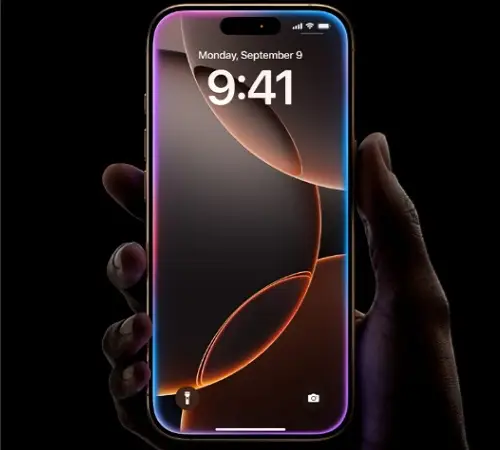
iPhone 17 Pro – Camera Sensor Changes Future models of the Apple iPhone 17 Pro are rumored to sport a smaller primary camera sensor than the ongoing iPhone 16 Pro series. If a recent leak by the Weibo-based source Digital Chat Station is anything to go by, the upcoming models will pack a 1/1.3-inch sensor for the main 48MP camera in place of the 1/1.28-inch sensor utilized on the iPhone 16 Pro. The difference between the two sensor sizes is relatively minor. The 1/1.28-inch sensor is a bit larger, but the real-world effect on everyday photography will be negligible. Apple will very likely adopt other enhancements in the camera system to ensure that overall image quality remains the same or even improves. Three 48MP Cameras for the First Time Other changes to come with the iPhone 17 Pro series is an unprecedented trio of 48MP cameras. This update will offer more flexibility to end-users across a variety of photo and video shooting tasks, allowing users to have higher-resolution experiences from capture to creation. Why the Smaller Sensor? A possible reason for a reduced sensor size may be due to space constraints that come with the redesigned camera bump. The rumor claims that Apple will move away from the glass camera bump utilized in the predecessor and settle for an increased, aluminum rectangular-style camera bump on the upcoming iPhone 17 Pro variants. Reports from sources in the supply chain and leaks out of China point to a new camera bump, oval-shaped and elongated, with a smoother transition to the rear cover. Given the design change, a smaller sensor may be used to fit the updated module in the compact form factor of the device. Design Overhaul: A Return to Aluminum The iPhone 17 Pro design changes by Apple are part of a broader return to using aluminum in its construction. The move is expected to make the device more durable and visually distinct from previous models. With the larger camera bump, combined with the aluminum material, this may offer a premium look and feel while improving heat dissipation for better performance. Launch Timeline and Expectations The iPhone 17 series is expected to arrive in mid-September 2025, according to Apple’s traditional release schedule. With a smaller camera sensor, redesigned bump, and three 48MP cameras, the iPhone 17 Pro models promise a mix of innovation and refinement. Although the shrinkage in sensor size may raise several question marks for some, Apple’s history of balancing hardware and software improvements means these new devices will most likely perform excellently. The new design and advanced camera system are likely to appeal to photography enthusiasts and tech-savvy consumers alike. As the launch date draws closer, more details about the iPhone 17 Pro are likely to emerge, giving more insight into the next flagship lineup from Apple. Source
Nubia Music 2 Announced For Audiophiles

ZTE has launched its latest budget phone, the Nubia Music 2, for music lovers who want great audio without the hefty price tag. While the phone has great audio features, the overall specs may not be for those who want high end performance. Great Audio Features Nubia Music 2 stands out with its audio focus. According to ZTE’s official website, the phone has 2.1 channel audio system with 3 full range speakers. It has DTS:X Ultra and can go up to 95dB max volume. It also has spatial audio and 3.5mm headphone jack, a rare feature in modern phones. Noticeably, this phone ditched the dual headphone jack of its predecessor and went with a single 3.5mm jack instead. ZTE probably thought the dual jack was just a gimmick. Hardware and Display Being a budget phone, Nubia Music 2 is powered by Unisoc T7200 (also known as Unisoc T606) with 4GB of RAM and 128GB of internal storage. This combo may not be top notch but should be enough for basic usage and media playback. It has a 6.7 inch HD+ LCD display with 120Hz refresh rate, smooth visual experience. The resolution is standard for budget phones but the 120Hz refresh rate is a nice bonus. Battery and Charging Nubia Music 2 has 5,000mAh battery, decent for daily use. However, 10W wired charging is slow compared to industry standard. Camera For camera, Nubia Music 2 has 50-megapixel main camera and 5-megapixel front camera. The cameras are not great but enough for casual photography and video calls. Additional Features The phone has modern connectivity options like Bluetooth 5.2, NFC, Wi-Fi and VoLTE. Security is via side mounted fingerprint sensor. It runs on “Android U” which is speculated to be Android 14. Upgrading to Android 15 seems unlikely since the phone is budget but it’s not a big deal for the target audience. Price and Availability The phone is available in Malaysia for around $85 (€75) in Shopee and Lazada. It comes in two color options: Melody Wave and Pop Art, perfect for younger and style conscious users. Verdict Nubia Music 2 is a music focused budget phone with great audio and big display. Not great hardware and camera but affordable and audio focused so it’s a good option for music lovers on a budget. Source
Galaxy S25 Slim To Also Feature A Snapdragon 8 Elite With Overclocked Performance Cores
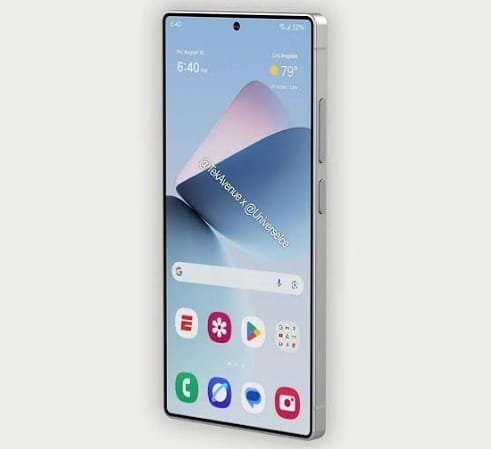
Samsung is going to add not three but four models in its Galaxy S25 series, which it is going to do with the inclusion of a new entrant called the Galaxy S25 Slim. For the very first time, this will be a “Slim” member of the flagship lineup from the Korean tech giant. Early benchmark leaks have shown some interesting inclusions but also some probable performance trade-offs. Slim form factor meets powerful hardware. The Galaxy S25 Slim, model number SM-S937U, has now cropped up in some benchmark tests that confirm the presence of Qualcomm’s Snapdragon 8 Elite chipset. Its high-performance processor comes with performance cores clocking in at a blistering 4.47GHz and efficiency cores at 3.53GHz. And despite the phone’s svelte frame, the S25 Slim packs the same amount of memory as the base Galaxy S25-12GB of RAM. Only the Galaxy S25 Ultra is likely to differ with up to 16GB of RAM. Performance: Impressive Specs, Disappointing Results While the Galaxy S25 Slim boasts high-end specifications, its performance in Geekbench 6 tests leaves much to be desired. The device scores 3,005 in single-core tests, slightly outperforming the base Galaxy S25. However, in multi-core tests, it manages only 6,945 points, significantly lower than expected for a device featuring the Snapdragon 8 Elite chipset. This performance was probably because of the slim design of the S25 Slim, whereby the small chassis overheats with this powerful processor inside, throttling its performance when doing intensive tasks. Thin Design: A Double-Edged Sword It seems that Samsung’s decision to go with a svelte form factor has taken its toll on the device’s sustained performance capability. While the Galaxy S25 Slim is certainly stylish and light, it doesn’t seem to handle heat very well, which curbs its potential in more resource-intensive applications. Notably, Geekbench 6 gives the output for hardware capabilities for only a very short time during tests; sustained performance reflecting real-world usability may be different when the device is tested under various conditions. Galaxy S25 Launch: What to Expect With the official launch of the Galaxy S25 lineup scheduled for January 22, Samsung is getting ready. This is where things will get serious, and a proper idea about the real-world performance of the Galaxy S25 Slim and its siblings will be obtained. The Slim variant will be joined by the standard Galaxy S25, S25+, and the high-end S25 Ultra in the series. Final Thoughts The Galaxy S25 Slim is going to bring a whole new dimension to Samsung’s flagship series, pairing high-end hardware with a sleek design. But according to early benchmarks, this could well come at a performance cost. Until an official reveal at least, a guess is as good as anyone’s on whether or not the Galaxy S25 Slim will be able to balance style and substance. Keep watching for the latest on Samsung’s January 22 launch, where the full capability of the Galaxy S25 series will be unleashed. Source
Nintendo Switch 2 Renders Show A Familiar Design With An 8.4″ Display
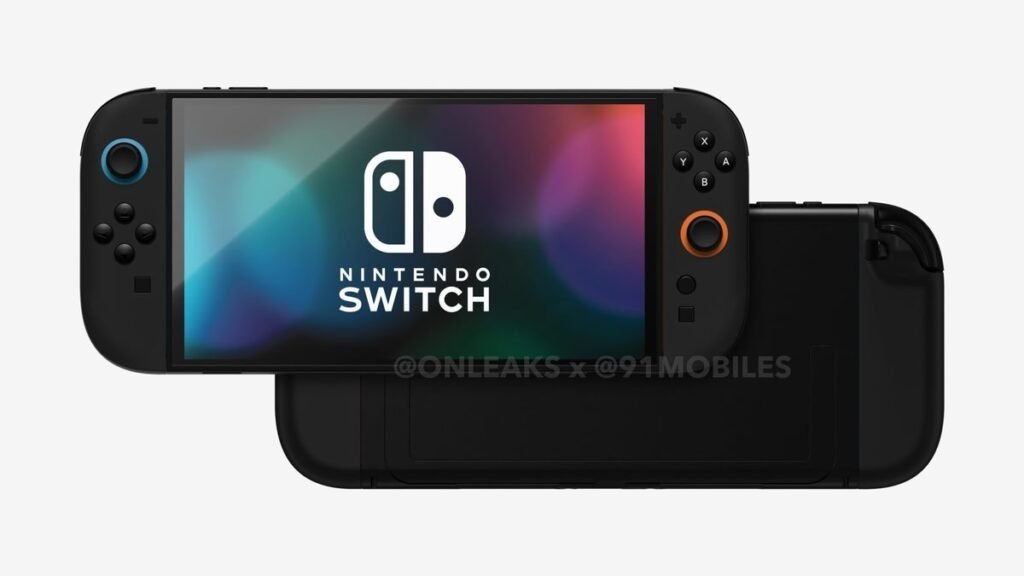
First Look at Nintendo Switch 2: What to Expect Though this isn’t official, the gaming world has been hyping in a big way for the Nintendo Switch 2. The official announcements and teaser ads aside, leaks have gradually started to show what might finally begin to take shape with the next-generation console. Recently, high-quality renders and a 360-degree video of the purported console were presented by 91mobiles and OnLeaks, revealing for the very first time its design and other features. Larger Size and Display The Nintendo Switch 2 is said to be much larger in size compared to its predecessors, which include the Switch OLED and the standard Switch. If leaks are to be believed, the new console will boast an 8.4-inch display-a fair increase in screen size. Although the type of panel is not yet confirmed, many believe that it will use OLED for similar reasons to when the Switch OLED was introduced. Size Comparison With Joy-Cons attached, the Switch 2 can come with an increased footprint over its predecessor models. Specifically, the device is tipped to measure around 200.5 x 116.4 x 14mm-considerably bigger than both. That should go to hold up a bigger screen and even add functionality that creates an even deeper experience. Design and Features It highlights some key new design features. Layout: Power and Volume Controls: Located on the right side. Game Card Slot:On the left, indicating backwards compatibility with existing Switch games. 3.5mm Headphone Jack: A godsend for those who prefer to use wired headsets. USB Type-C Port: Alongside the headphone jack, this is presumably a nice addition to make charging easier whether the console is in handheld or tabletop mode. Bottom and Back Improvements Docking Mechanism: A center dock with guide pins on either side to help the console go in smoothly and securely. Speakers: Openings on either side of the dock suggest better audio output. Kickstand: The U-shaped design appears to be redesigned for stability, given the Switch OLED’s improved stand fixed the weak design of the original Switch. Joy-Con Improvements The Nintendo Switch 2 Joy-Cons appear to retain the layout but with a few easily noticeable changes: Larger Size: Slightly larger for a better, more ergonomic grip. New Button: Located above the ‘Home’ button on the right Joy-Con; however, its function is still just speculation. Trigger Buttons: Additional buttons alongside the ‘ZL’ and ‘ZR’ triggers, assumedly for detaching magnetic Joy-Cons. These changes confirm that Nintendo plans to make improvements to the Joy-Con experience without changing the overall iconic look and feel of it too much. Legacy of Innovation While highly innovative upon its release in 2016 for packing the power of a console into one portable body, the original Nintendo Switch finds its hegemony up for contest from handheld Windows consoles and cloud-based gaming services launched since then. Back in October, a new hardware announcement by Nintendo hinted at the Switch 2 but instead came out with an alarm clock they call “Alarmo.” Meanwhile, the audience was still pretty keen to at least hear from or have a tease on the next-gen console. Final Thoughts The Nintendo Switch 2 promises to build on the success of its predecessor with a larger screen, improved design, and backward compatibility. While fans await confirmation, the leaks and renders have already set high expectations. It’s time for Nintendo to break the silence and officially unveil what could be another game-changing device. Source
Microsoft Gaming Handheld Will Be The Best Of Xbox And Windows Together

When Microsoft jumped into the portable gaming space the gaming world went wild. At CES 2025 they gave us a sneak peek into the long awaited Xbox handheld-a device that combines console and PC gaming. Xbox Handheld: A Look into the Future So when Jason Ronald, VP of Xbox Gaming Devices and Ecosystem-and the architect of the Xbox One X and Xbox Series S|X-said this on stage about the upcoming Xbox handheld: this thing is going to be the best way to keep playing PC gaming-pretty much the ultimate portable gaming console from anywhere. Or at least that’s what’s going to be another big change in this ever changing world of gaming. He didn’t give a date on that but he said more info later this year so fans are hyped. A Long-Awaited Project A Microsoft gaming handheld has been rumored for years. Speculation grew when the Head of Gaming for Microsoft, Phil Spencer, said recently that his company was interested in portable gaming. *But he clarified that the project is still in early stages and “a few years” away. Given the timelines, many insiders think the Xbox handheld will be out in late 2026. That also lines up with the rumors of a new Xbox home console coming out then. Competition in the Gaming Handheld Market That’s after several new handhelds with AMD’s Ryzen Z2 processor have been announced. The Valve Steam Deck and ASUS ROG Ally just dropped and now Microsoft is joining the party with a serious attempt to carve a big slice of the growing handheld gaming market. The Xbox handheld will tap into Microsoft’s vast ecosystem with features like Xbox Game Pass, cloud gaming and PC gaming. That’s a smart play to make the device competitive in a crowded market. But until more is said we’re excited. This could be another case where Microsoft raises the bar in portable gaming and puts high tech into user friendly design. What’s Next? More info by the end of the year and 2025 will be the big test of Microsoft’s handheld ambitions. For now we can only speculate on what this thing might bring. Microsoft is going big into the handheld gaming space. The release is years away but the rumored Xbox handheld has already got gamers hyped. As the gaming landscape shifts a Microsoft handheld would not only change how we play our existing games but maybe even create new ones. “We’ve been really innovating for a long time in the console space, and as we partner across the industry it’s really about how do we bring those innovations that we’ve incubated and developed in the console space and bring them to PC and bring them to the handheld gaming space. I would say it’s bringing the best of Xbox and Windows together,because we have spent the last 20 years building a world-class operating system, but it’s really locked to the console. What we’re doing is we’re really focused on how do we bring those experiences for both players and developers to the broader Windows ecosystem. We’re focused on really simplifying that and making it much more like a console experience. Our goal is to put the player and their library at the center of the experience and not all the Windows work that you have to do today.” Source
OnePlus 13R Announced With Snapdragon 8 Gen 3 And 50MP Telephoto Camera
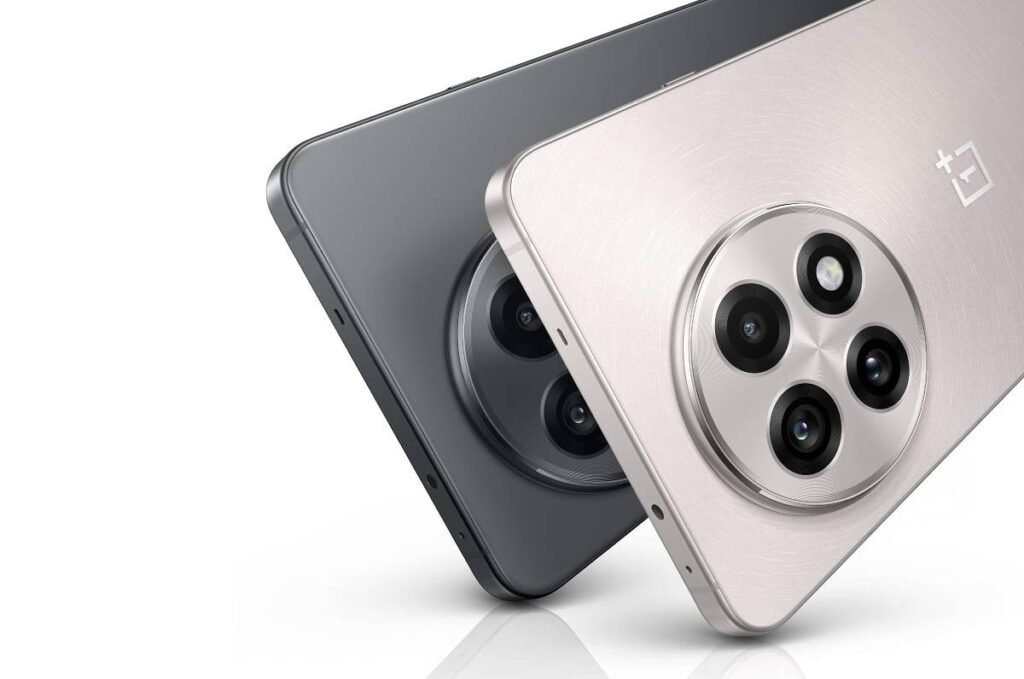
The Feature We’ve All Been Waiting For The OnePlus 13R marks a significant development in its camera series, introducing a telephoto lens-a feature long overdue for the mid-range smartphone enthusiast. Although it does not stand toe-to-toe with the flagship OnePlus 13, it does soften the usual corners cut in more affordable phones. Priced at $600/€750 for a 12GB RAM and 256GB storage model, the 13R adds more to last year’s offering. This time around, the OnePlus 12R started from $500 for 8GB RAM and 128GB storage; but OnePlus offers better value regarding the specs on offer. There’s also a 16GB RAM and 512GB storage version, which comes for ₹50,000. The base variant with 12GB of RAM and 256GB storage variant will retail for ₹43,000. Camera Upgrades: Telephoto Lens and More OnePlus 13R comes with a 50MP telephoto camera to upgrade the photography game. Main Camera The primary camera boasts a 50MP Sony LYT-700 sensor with Optical Image Stabilization and 4K video recording at 60fps. This is an upgrade over the IMX890 sensor on the 12R and should provide better images. Telephoto Lens The new 50MP telephoto camera boasts a Samsung JN5 sensor combined with an aperture of f/2.0. It also includes a 47mm optical focal length while offering 2x optical zoom, perfect for portraits. You can even enable 4 times zoom without many quality losses on the device. Other Cameras It includes an 8MP ultra-wide camera that displays a 112° field of view along with a 16MP selfie camera fixed focus. Performance: Snapdragon 8 Gen 3 and Upgraded Storage The OnePlus 13R is powered by the Snapdragon 8 Gen 3 processor, an upgrade to the chip leading the predecessor, which used the Gen 2. It also packs 12GB of LPDDR5X RAM and 256GB of UFS 4.0 storage, up from UFS 3.1 storage on the 12R. The phone ships with OxygenOS 15 based on Android 15, and it has the backing of 4 years of OS updates and 6 years of security patches, though it still doesn’t match Samsung’s, Google’s, and Apple’s support policies. Battery and Charging: Bigger and Better The battery on the OnePlus 13R is bigger, a 6,000mAh battery compared with the 12R’s 5,500mAh. SuperVOOC speeds however decrease to 80W here, but that’s enough to charge this phone full in 52 minutes (54 minutes in North America). Design and Durability: Sleek and Robust The 13R weighs just 206g despite the bigger battery and is 0.8mm thinner than before, while adding in an IP65 rating to protect against water jets. Adding to that is Aqua Touch 2.0, enabling the screen to work even when wet, with a Glove Mode to further enhance usability in extreme conditions. The phone’s aluminum chassis comes in two colours: Astral Trail and Nebula Noir, while the screen protection is Gorilla Glass 7i. Display: Brilliant Display The LTPO OLED display has retained its 6.78-inch size, but it boasts a refresh rate of 1-120Hz, 10-bit color, support for HDR10+, and Dolby Vision. The peak brightness of 4,500 nits ensures that the screen is a great sight for any lighting condition. Connectivity and Other Features The OnePlus 13R also supports Wi-Fi 7, Bluetooth 5.4, NFC, and dual nano-SIM cards. But the USB-C port still utilizes USB 2.0 speeds, which is a real shame. On the bright side, the Alert Slider is still here. Availability Pre-orders for the OnePlus 13R are now live worldwide. At this price, this gets pretty great value with upgraded cameras, a powerful chipset, and even better durability-the makings of a great mid-segment warrior. Source
Latest Nintendo Switch 2 Leak: New Dock Details Revealed

Partial Image of the Dock Shows Up Online The rumors of the Nintendo Switch 2 continue to go around, and it seems another leak has just cropped up. The partial image of the console’s dock has popped up online, detailing some crucial features about the console that will supposedly release. This leak comes from Laura Kate Dale, who shared this image today. The picture shows input and output voltage specifications, while other details were blurred out for reasons of securing the identity of a trusted source providing the leak. One of the more interesting pieces of information is that the Nintendo Switch 2 will include a 60W charger that is specifically made for use with the dock. This would imply that charging cables designed to work with the current Nintendo Switch will not work with the new system while it’s docked-a surefire sign that a change in hardware design is occurring. Leaks Continue to Reveal Major Hardware Features Leaks surrounding the Nintendo Switch 2 have been relentless in recent weeks, with most aspects of the console being exposed well ahead of its announcement. So far, images showing off the design of the system, motherboard, dock, and even its new Joy-Con controllers have surfaced. The Joy-Con controllers are a bit more interesting, though, with rumors that they can double as a PC mouse to cement Nintendo’s innovative drive. Images of the motherboard meanwhile have confirmed that the console will indeed feature a T239 chip from Samsung. The exact process node is currently unknown, but analysts feel that an 8nm SoC feels more likely due to how complex an architecture NVIDIA Ampere would be to work with on other nodes. What’s Left to Be Discovered? Given the fact that so much has already been leaked, the only major thing left to be revealed about the Nintendo Switch 2 is its game lineup. Many are eager to hear about what games will launch with the new system. But given the pace at which leaks have been coming out, an official reveal can’t be too far away. Official Announcement on the Horizon Although Nintendo has kept mum over the Switch 2, these last few weeks have seen more leaks, meaning it’s about time the announcement happens. Until then, leaks about the console will continue to emerge from under the woodwork. We’ll keep updating as we continue to track the latest happenings on the Nintendo Switch 2. With so many speculations doing the rounds, the official unveiling is bound to be a big event for gamers. Source
AMD Unveils Next-Gen Ryzen Z2 APUs for Gaming Handhelds
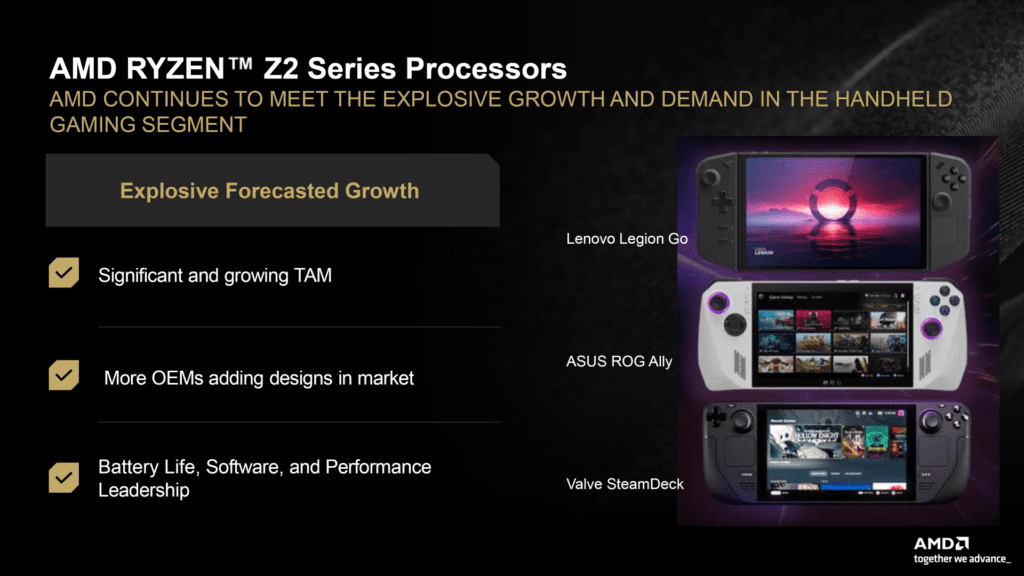
Expanding Gaming Handheld Market AMD has announced the latest in game tech with the Ryzen Z2 APU series. This next gen series is for everything from entry level to high end handheld gaming with this next step. The line up will have three models: Z2 Extreme, Z2, and Z2 Go; these are for console quality gaming in a portable form factor. Building on the Success of the Z1 Series The Ryzen Z2 APUs are the follow up to the successful Z1 series which powered some of the most popular gaming handhelds in the industry like ASUS ROG Ally, Lenovo Legion Go and Valve’s Steam Deck. With the Z2 series AMD is looking to further solidify its position in the portable gaming space by offering more performance, longer battery life and better software support. Features and Tech The new AMD Z2 APUs will bring console gaming to handheld form factors. Some key features of these APUs include: Extended Battery Life: These APUs are optimized for hours of unplugged gaming so you can play for longer with fewer recharges in between. Enhanced Gaming Fidelity: With the implementation of cutting edge tech like AMD FidelityFX Super Resolution you can have maximum gaming quality on smaller devices. Performance Leadership: With more hardware and software integration AMD ensures better performance than competitive solutions. This will allow handheld gamers to tackle computationally intensive gaming loads at record efficiencies so you can game on the go with more flexibility. Marketing Reach One of the main goals of AMD with the Z2 series is to increase its TAM. To do that AMD is releasing multiple variants of the Z2 APU so it can hit different price points and user needs. This will likely appeal to a wider audience from casual gamers to enthusiasts who want top tier performance in a portable form factor. Timeline and Availability The first devices with the Ryzen Z2 APUs will be available in Q1 2025 so rest assured the new generation of handheld consoles with Z2 tech will be here soon. With this AMD is redefining the benchmark for portable gaming and making it more real. Conclusion: The Next Generation of Gaming Handhelds AMD Ryzen Z2 is big for handheld gaming. Developing top end tech while taking user centric steps like more battery life and higher performance means AMD is not leaving any grass to grow around portable gaming devices. Well at least that’s the future of handheld gaming-to look so good-first devices expected early 2025. Via