
Huawei Mate X6: Innovation in Foldable Technology
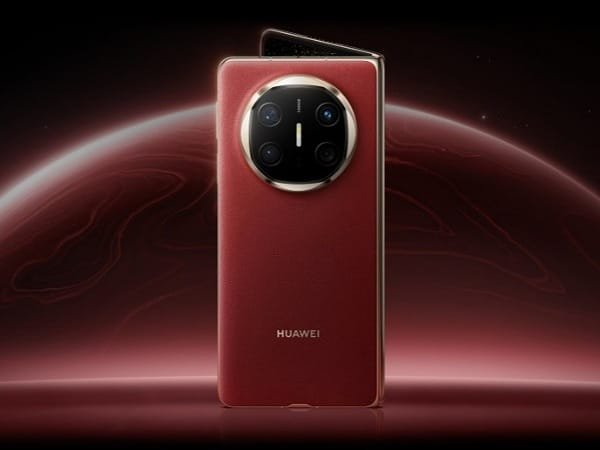
Huawei has officially unveiled its latest foldable smartphone, the Mate X6. The phone, when folded, is a mere 4.3 mm thick. It is the upgrade that this world needs from the predecessor. Enhanced displays and an advanced camera system combined with the new HarmonyOS Next operating system make the Mate X6 stand out among its contemporaries. The Huawei Mate X6 features a foldable 7.93-inch LTPO panel with square aspect ratio of 1:1. It supports up to 2,440 x 2,240 pixels. Mate X6 boasts a variable refresh rate of 1 to 120 Hz and up to 1,800 nits of peak brightness. Its color gamut supports over 1 billion colors to display beautiful images. On the outside, the cover display is a 6.45-inch LTPO OLED screen at 1080p resolution. This screen outmatches the foldable panel for brightness, with a rating of 2,500 nits but otherwise retains the same variable refresh rate. Advanced Camera System The Mate X6 has four cameras, and most of its cameras draw technology from other Huawei flagship devices: Main Camera: A 50 MP sensor with an adjustable aperture (f/1.4-f/4.0) from the Pura 70 Pro+. Telephoto Lens: A 48 MP shooter with a 90 mm focal length and 4x optical zoom from the Mate 60 Pro. Ultra-Wide Lens: A 40 MP sensor with autofocus. Hyperspectral Sensor: A unique lens designed to enhance color accuracy and camera performance using Huawei’s XD Fusion engine. Sleek Design and Build The Mate X6, although ultra-thin, weighs at 239 grams, making it slightly heavier than the Mate X5. Depending on the model, battery capacity is either 5,110 mAh or 5,200 mAh in the high-end 16 GB RAM version. The Mate X6 features 66W wired charging, 50W wireless charging, and 7.5W reverse wireless charging. It also protects the cover display with second-generation Kunlun Glass. Its improved waterdrop hinge is made from aerospace-grade steel for greater durability. Next-Gen HarmonyOS and Features The Huawei Mate X6 is launched with HarmonyOS Next, the company’s in-house operating system designed on a completely new kernel. The OS brings artificial intelligence-based multitasking to the device, such as split-screen, document abstracts, and social media text rewriting. Some are shipped with HarmonyOS Next, while others have come pre-installed with the HarmonyOS 4.3, which is based on the Android AOSP kernel. Specifications and Connectivity Mate X6 is packed with innovative technologies: *Renewed antenna for improved signal reception. *Dual-satellite communication supporting Chinese networks (Beidou and Tiantong). *Enhanced cooling with a vapor chamber and graphite layers. *IPX8 certification for water resistance, with a functional cover screen underwater. Pricing and Availability The Huawei Mate X6 comes in five color options: Glass/Plastic Finish: Gray and White. Leather Finish: Black, Red, and Blue. Pricing starts at CNY 12,999 ($2,200/€2,100). As of now, Huawei has not confirmed whether the Mate X6 will launch globally or remain exclusive to China, following the trend set by its predecessors, the Mate X5 and Mate XT Ultimate. Source: Huawei
Leaked Images Reveal Exciting Details About the Galaxy S25 Ultra
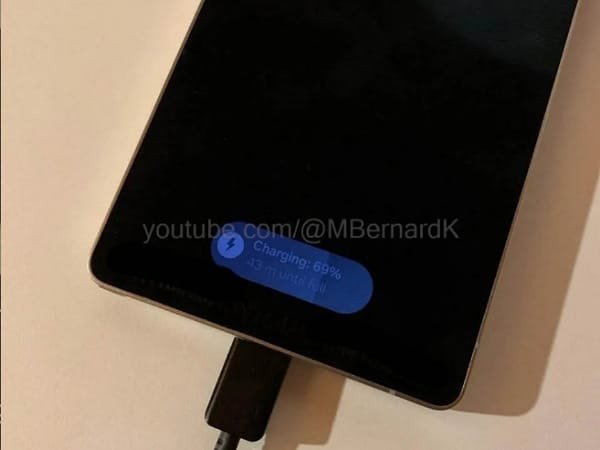
Leaked Images of Galaxy S25 Ultra Originate from Reddit Latest leaks of the upcoming Samsung Galaxy S25 Ultra have begun to emerge online, sourced by a Reddit user u/GamingMK. According to him, he took them from the original source that deleted his account shortly afterward. The source could not be verified anymore, but the images are indeed matching previous video clips that leaked in the past, so that increases the chances of them being genuine. We are, however, unable to confirm specific details about the origin of the phone or the circumstances behind the leak; these early glimpses give great insight into the design and features of the device. USB-C Port, SIM Slot, and S Pen The leaked photos provide clear shots of the USB-C port, SIM card slot, speaker grille, and S Pen on the Galaxy S25 Ultra. Interestingly, the S Pen slot stays at the left side of the device, similar to its predecessor, the Galaxy S24 Ultra. There was speculation that Samsung would change the positioning of the S Pen slot, but these images suggest otherwise. Slimmer Bezels and a Refined Design Another prominent feature is the device’s slim bezels. The close-up shots of the corner bezel indicate a premium and classy look, continuing Samsung’s tradition of having the most impressive aesthetics. Sneak Peek at Android 15-Based One UI 7 The screenshots also reveal how One UI 7 looks running on the Galaxy S25 Ultra, as the latest interface of Samsung based on Android 15. While the screenshots don’t reveal any groundbreaking new features, a few updates are worth highlighting: Split Notification Panel: The notifications and system controls occupy different panels for better accessibility. Updated App Icons: A very subtle design change exists in the app drawer. Battery Indicator Redesign: This is a fresh look at the battery indicator in the status bar. It goes without saying that these little additions and tweaks will definitely enhance user experiences and keep Samsung’s interface relevant and fresh. When Can We Expect One UI 7? Samsung has already confirmed that One UI 7 will be released with the official launch of the Galaxy S25 series, which is expected in the first quarter of 2025. But a public beta may be released before the end of 2024 for users to try out OneUI 7 before its official release. Final Thoughts on the Galaxy S25 Ultra Leak These leaks surely give a glimpse into what Samsung has in store with its next flagship device. Refined design elements, One UI 7 feature enhancements-the Galaxy S25 Ultra is shaping up to be a fitting successor in Samsung’s premium line of products. While there are many questions yet to be answered, early insights have been sufficient to whip up considerable anticipation for the official unveiling of the device. Source: Reddit
Apple To Make Major Compromises On iPhone 17 Air
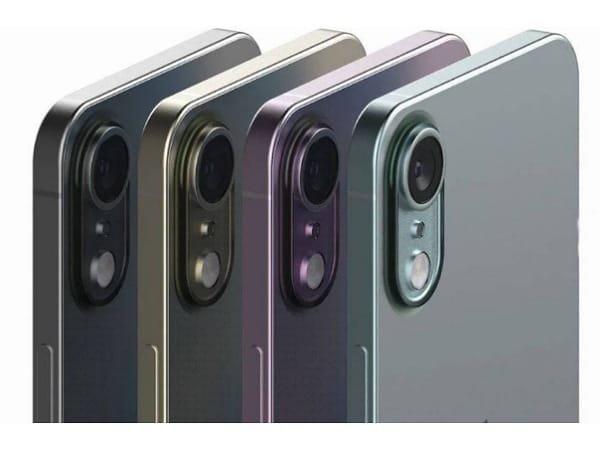
Ultra-Thin Form Factor Apple iPhone 17 Air, expected next year, promises to revolutionize the design of the smartphone. If recent reports are to be believed, the ultra-thin build of the device-the prototypes being in the range of 5mm to 6mm-makes it way thinner than current iPhones and a possible new benchmark in the Apple line of smartphones. But Apple is allegedly struggling to reach the same thin dimensions as the M4 iPad Pro, especially because of issues with the battery substrate. The redesign should make the device more appealing to a wider market; it could very well increase the shipment of iPhones based on its looks alone. The iPhone 17 Air will be thinner than what is currently their thinnest phone, the iPhone 6. Challenges with Thermal and Battery Management The compact design allegedly brings some challenge to the incorporation of thermal management materials by Apple engineers. With a smaller size, there is limited space for important components such as the battery. This might compromise on general thermal efficiency and device endurance. In spite of these challenges, Apple wants to keep the sleek profile while guaranteeing performance at optimum, hence a testament to innovation in hardware engineering at the company. Speaker and Internal Redesign Another noteworthy change in the iPhone 17 Air is the adoption of a single earpiece speaker system. Whereas other models utilized a dual-speaker system, this move supports a thinner design. The streamlined internal layout is necessary to achieve such a slim form; yet, questions are begged about how this will influence this device’s sound quality and volume. While this redesign may sit well with the minimalists, possible compromises in audio output could be an issue for users who like immersive sound experiences. eSIM Technology Expansion Apple is continuing to push toward the SIM-less future with the iPhone 17 Air. The company will likely expand its eSIM technology to more markets, taking away physical SIM slots in those areas. The company will very likely continue to offer models with a physical SIM slot for critical markets such as China to ensure the products have the widest possible appeal. This also reflects Apple’s flexibility in trying to meet the diversified demands of global markets. Integration of Custom 5G Modem The iPhone 17 Air will also mark the first appearance of Apple’s in-house 5G modem, easing its dependence on Qualcomm. Early reports indicate the modem may be behind Qualcomm’s in performance, but actual user experience will be the determining factor in its success. Apple’s integration of proprietary modems reflects its long-term strategy of having greater control over hardware and software ecosystems. Production and Launch Timeline Currently, the iPhone 17 Air is in its proto-2 developmental stage, marking significant progress in early production trials. Apple plans to unveil the device alongside its standard models in the second half of 2025. As excitement builds for the iPhone 17 Air, Apple’s focus on design and innovation could redefine the smartphone market. More updates on specifications and features are expected as the launch date approaches. Source: The Information
Samsung Galaxy A56 5G Leaked Renders Hint At A Premium Design
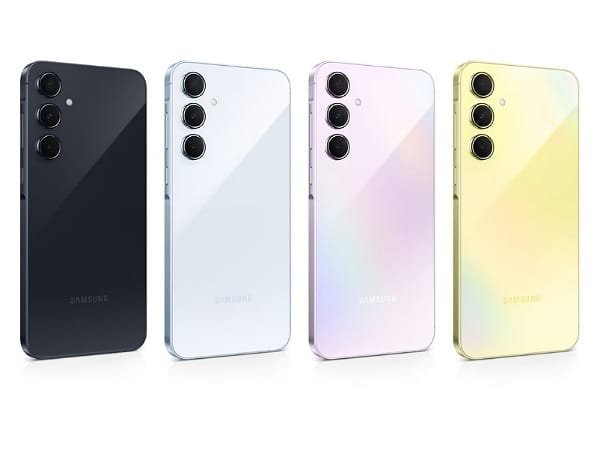
A Tale of the Galaxy A Series Samsung has always led the game for high-end sales, such as the Galaxy S and Z series; however, its Galaxy A series always finds its target audience that covers premium features at budget rates. One of the highly awaited releases in the series is the upcoming Galaxy A56 5G. Following are some of the leaks and renders about what one should expect: First Look at the Galaxy A56 5G The first render of the Galaxy A56 5G has appeared, courtesy of Android Headlines, which gives quite a good look into the design of the device. It would appear that, at first glance, the phone carries a number of design cues from its predecessor: a flat screen, slim bezels, and edges that curve slightly. Of course, it refines these further; the newer bezels are much thinner, making it more modern. This display remains flat, giving the phone a sleeker look and one that feels more premium. The bottom bezel is quite a bit thicker than the others, but overall, it does seem the designs are looking for maximum screen real estate without sacrificing ergonomics. A Cleaner Camera Setup The major redesign can be found on the rear camera. Gone are the individual cutouts for each lens since, instead, the Galaxy A56 5G has a single housing for its triple-camera system. This gives the device a much cleaner and more mature look that puts it closer in line with Samsung’s high-end products. Around the back, there is also a signature Key Island bump from Samsung, where the volume and power buttons will reside within. Performance and Charging Upgrades The Galaxy A56 5G, under the hood, is expected to feature an Exynos 1580 chipset, promising robust performance from a mid-range device. Secondly, Samsung has made reasonable changes in charging speed. While its predecessor supported 25W charging, the A56 5G is speculated to feature 45W fast charging. This upgrade is very welcome for users who value convenience and efficiency. Expected Release and Features If Samsung follows its usual timeline for releases, the Galaxy A56 5G might just appear in the market as early as March 2025. Although nothing is really official yet, putting some design improvements together with improved charging and expected performance enhancements could make this an attractive prospect for consumers on a budget. Conclusion The Galaxy A56 5G will compete with mid range smartphones from Chinese manufacturers with better specs and less price . The addition of premium design elements and practical feature upgrades may raise it to the top rank among mid-tier devices. With a speculated launch just months away, both tech enthusiasts and fans of Samsung are surely curious about how this A56 5G will turn out. Source: Android Headlines
Sony Is Secretly Working on New PlayStation 5 Handheld Console
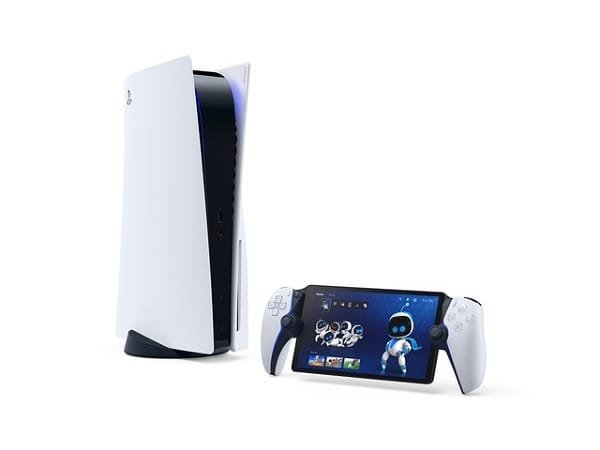
SoPlayStation 5 Handheld: A Nintendo Switch Challenger In a new report coming from Bloomberg, Sony has already began development on a new PlayStation 5 handheld console that will go toe-to-toe against Nintendo’s Switch. But insiders familiar with the matter are now saying the project remains at an early stage, and plans could still change. In contrast, though work on Microsoft’s Xbox handheld is confirmed even by Microsoft Gaming CEO Phil Spencer himself, it too is a couple of years away from release. Sony’s Legacy in Handheld Gaming Sony launched the PSP as its first handheld in various markets in late 2024. It found itself positioned against Nintendo’s DS directly. It did quite well, moving over 76.4 million units by 2012. These figures fell short of the DS, one of the most successful consoles ever.. Meanwhile, Sony launched PlayStation Vita in 2011 in Japan and in 2012 in the rest of the world. At that time, the PS Vita had state-of-the-art features but failed commercially. Sony stopped first-party game development on the platform in 2015. PlayStation Portal: A Peek into the Future of Sony Sony has recently released the PlayStation Portal. It has been a success for now, boasting decent sales, though it can do little else than stream games from the cloud. According to a report by Bloomberg, the Portal originally took inspiration from Valve’s Steam Deck-a handheld powerhouse capable of natively playing games-however, Sony eventually decided to go with something simpler. What to Expect from the New Handheld With no official information released, there has been much speculation on what Sony’s new handheld console will feature. Recently, tech outlet Moore’s Law Is Dead reported that Sony is potentially collaborating with AMD on the hardware aspect, which could result in the device emulating both PS4 and PS5 games. However, Bloomberg writes the device will likely only feature PS5 games because “playing PS4 games might not meet expectations when it hits the market.”. This can very well turn out to be that dramatic shift for Sony, right in the midst of Nintendo Switch and other such devices which have been monopolizing handheld gaming in the market. Competitive Gaming Landscape If Sony launches the PlayStation 5 handheld, that would be really interesting. The Nintendo Switch is the leader of portable gaming, touting a huge library of exclusives and a big active fan base. On the other hand, Microsoft’s Xbox handheld might be many years away but will bring another strong contender into the mix. Conclusion A handheld PlayStation 5 in the making would simply be further proof of Sony’s innovation within gaming. While the future of the project remains vague, this just goes to prove that it is a company willing to venture into more untapped markets, reimagining a handheld gaming legacy. Source: Bloomberg
Apple’s M4 Max Struggles to Impress with STALKER 2 Performance

STALKER 2 Performs Well in Sales, but Doesn’t Satisfy Performance STALKER 2 has been making headlines, selling over a million copies, but it fails to smoothly run even on the most powerful hardware. The Unreal Engine 5 title is power-hungry for even the most powerful gaming processor, AMD’s Ryzen 7 9800X3D, while Apple’s latest M4 Max chip for the MacBook Pro burdens it even further. The capable portable silicon that the M4 Max happens to be does not justify its premium price tag for gamers. Testing STALKER 2 on the M4 Max: How Well Does It Run with Emulation As YouTuber Denis Gladkikh proves, STALKER 2 is playable on Apple Silicon with the CrossOver app and GPT2 files. But again, this is not native gaming on macOS, and emulation in any form will always be a compromise in performance. So, while it is impressive to note that an M4 Max can run such a heavy title, significant visual sacrifice will be required. Its shader compilation reportedly took only 5-10 minutes, which is fairly decent for the emulated setup. Performance Results: Low Resolutions and Frame Rates Gladkikh’s benchmarks brought to light the fact that STALKER 2 was being run on a MacBook Pro powered by the M4 Max at medium detail, with a resolution of 1,600 x 900. The resulting figures were unimpressive, with Apple’s most powerful SoC unable to consistently run at 30–40 FPS at even 1080p resolution. At its base M4 Max configuration price of $3,199, the MacBook Pro certainly seems like a disappointing gaming investment. One critical omission in the test was the lack of visible settings details, such as upscaling or AMD Frame Generation usage. However, a real-time performance graph indicated that the game was running at native 1,600 x 900 resolution without upscaling, as the setting showed “1.0x.” Potential for Better Performance with Native Apps A native version of STALKER 2 for macOS might unlock better performance on the M4 Max, but until then, gamers relying on this system should lower expectations. The M4 Max’s current gaming output highlights the gap between Apple Silicon and dedicated gaming systems. Developer Updates May Offer Hope GSC Game World, the developer behind STALKER 2, promised future patches that would further bug and performance enhancements. Such patches may show improvements in the game across the board, but also for users who seek to test it out on more unconventional methods, like the M4 Max. Final Thoughts: The M4 Max as a Gaming Machine While the M4 Max is an impressive piece of silicon for a portable chipset, it is far from a replacement for a gaming laptop or desktop computer. For gamers, the expensive price of Apple’s high-end MacBook Pro may not be justified for mere gaming; however, at the same time, its capability to emulate and run some quite heavy titles, such as STALKER 2, shows how much Apple Silicon has to narrow the gap in the future. As such, until then, M4 Max gaming remains an experiment for niches rather than a mainstream solution. News and Images Source: Denis Gladkikh
Samsung Galaxy Z Flip FE And Z Flip 7 To Be Powered By New Chipsets
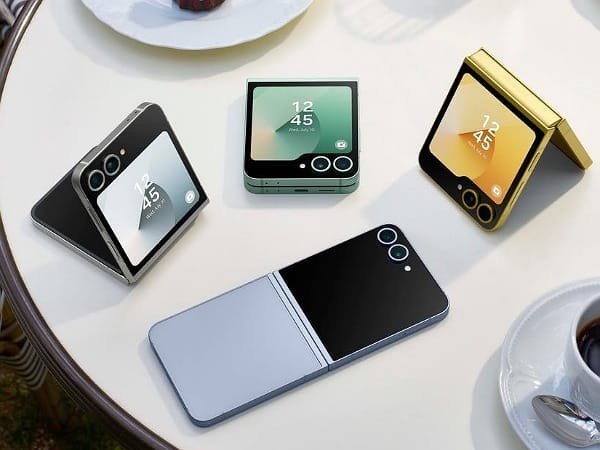
Samsung’s leadership in the foldable smartphone market-which its Galaxy Z Fold and Z Flip series has pioneered for the last couple of years-is steadily getting stronger. While Samsung is on course to flesh up the range with a new budget-friendly foldable, the Galaxy Z Flip FE (Fan Edition), alongside a premium Galaxy Z Flip 7, rival products are coming with more affordable options. Galaxy Z Flip FE: Affordable Innovation It is reported that Samsung will release the Galaxy Z Flip FE for the mid-range market segment. As per @Jukanlosreve, one of the consistent leakers of Samsung phones, the Z Flip FE will boast the Exynos 2400e chip, which is also expected to power the Galaxy S24 FE. This makes it a strategic pick to keep performance up while costs are competitive and squarely takes on Motorola’s more budget-friendly Razr models. This could also pave the way for more mainstream adoption with the introduction of a “Fan Edition” for foldables, allowing the flip design to be more affordable to the mass market. Provided Samsung can continue with this balancing act of affordability and innovation, then it may have secured a position in the middle-tier foldable market. Galaxy Z Flip 7: Pushing Premium Boundaries The Galaxy Z Flip 7 will be the next flagship flip foldable by Samsung, speculated to come with its Exynos 2500 powerhouse. Little was known about this chip so far, Samsung confirmed its development during an earnings call recently. The Exynos 2500 will probably bring enhanced performance and efficiency, possibly curing the low yield problems which resulted in thinner adoption of its predecessors. Contrary to prior rumors that said the Z Flip 7 could come with the Exynos 2400, recent leaks show the opposite: Samsung wants to keep the more powerful Exynos 2500 for its flagships. This could make the Z Flip 7 a powerhouse as well as an innovative one in the foldable space. A Look into Samsung’s Game Samsung’s processor strategy for its new foldables is closely in line with its general smartphone roadmap. While the Galaxy S24 FE already utilizes the Exynos 2400e, it is expected that the Z Flip FE will follow suit. Meanwhile, further intrigue arises on the processor choices speculated for the Galaxy S25. It is reported that Samsung may adopt Qualcomm’s Snapdragon 8 Elite across all Galaxy S25 variants. This may change the appeal of the Z Flip 7 by region because of its processor allocation. What It Means for Consumers With both the Galaxy Z Flip FE and Z Flip 7, Samsung has taken a two-way approach, dedicated to serving different market segments. The Z Flip FE serves as a great starting point within the foldable ecosystem for budget-conscious users. In contrast, the Z Flip 7 aims to pack in advanced technology for users who need a high-end experience. Deals and Discounts on the Galaxy Z Flip Series For those who want to check out what Samsung has to offer, the Galaxy Z Flip 6 is available for over $250 off on this Black Friday sale. That would be quite a steal and a pretty great chance to own a high-end foldable until next year’s releases. Samsung’s Galaxy Z Flip series has kept raising the bars in the foldables section, and with the Z Flip 7 and the Z Flip FE ready to launch soon, it will keep the brand ahead of its competitors while expanding into more customer segments. Source: @Jukanlosreve
OpenAI Is Already In Talks With Samsung To Bring Its AI Capabilities To Galaxy Devices
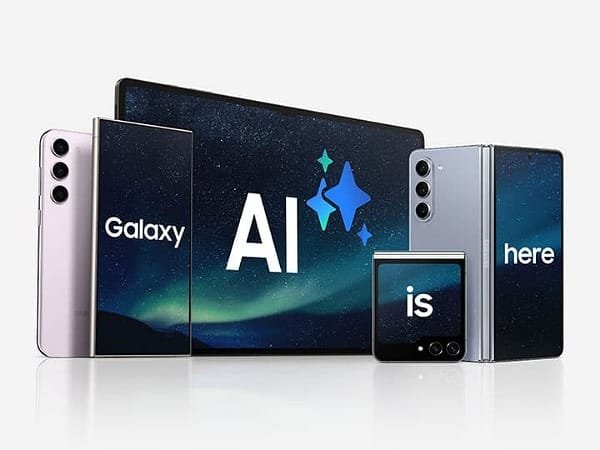
Introduction OpenAI continues to dominate tech headlines with its relentless innovation and expansion into new territories. After entering the search engine market with SearchGPT, the company is now creating waves with plans to develop its own web browser. This move has sparked speculation about OpenAI positioning itself as a formidable competitor to Google. This adds fuel to the fire as reports say that OpenAI is in talks with Samsung, a deal that may signal some serious shifting in the AI and technology landscape. OpenAI: A Rival to Google Google, which dominates the search engine market, has not let up with the U.S. Department of Justice case hanging over it, which has levied accusations against the firm for monopolistic practices. The regulatory heat increased to the extent that regulators even advocated for selling off Chrome, its flagship browser. With already advanced AI powering it, SearchGPT by OpenAI is being touted as the game-changing search engine to bring about a new search experience. But now, as the company reveals plans for a web browser of its own, it is targeting Google’s dominance. Adding to the possibilities, analysts say that when Chrome becomes available for acquisition, OpenAI could turn into a potential acquirer, thereby further heating up the battle. Samsung Partnership: A Strategic Advantage for OpenAI? Rumors of a collaboration between OpenAI and Samsung have stirred the tech industry. According to The Information, OpenAI has approached Samsung about integrating its AI technologies into Samsung devices. Analyst Dan Nystedt shared on X (formerly Twitter) that these discussions could involve bringing OpenAI’s AI capabilities to Samsung’s popular Galaxy lineup. This could be a formidable challenge to Google. Samsung, one of its key partners, presently utilizes Google’s AI for its gadgets. Such a shift into OpenAI technology may not only disturb this long-standing alliance but also make OpenAI a more considerable player in the AI ecosystem. Not to forget Apple is already planning to part ways with OpenAI for the iOS 19 release. Implications for the Tech Industry Google’s position is under attack from multiple sides. With regulatory hurdles on one side and advancements from OpenAI on the other, things have really become tough for the technology company. If OpenAI manages to seal a deal with Samsung and rolls out its browser, the dynamics may change drastically. Analysts are of the view that innovations by Open AI could redefine user expectations regarding the integration of AI into mainstream technology. Given that Open AI targets partnerships in both software-search engines and browsers-and on the hardware front, it certainly is displaying ambitions for leadership. The future is going to be dynamic. While OpenAI’s potential partnership with Samsung and its web browser plans remain speculative, the company’s trajectory is clear: it aims to lead the AI revolution. If these initiatives materialize, they could intensify competition, and reshape the tech industry. For now, both enthusiasts and analysts are closely watching OpenAI’s next moves, as the company continues to push the boundaries of what AI can achieve. Source: The Information
Apple Is Developing ‘LTPO+’ OLED Panels For iPhone 18 Pro And iPhone 18 Pro Max
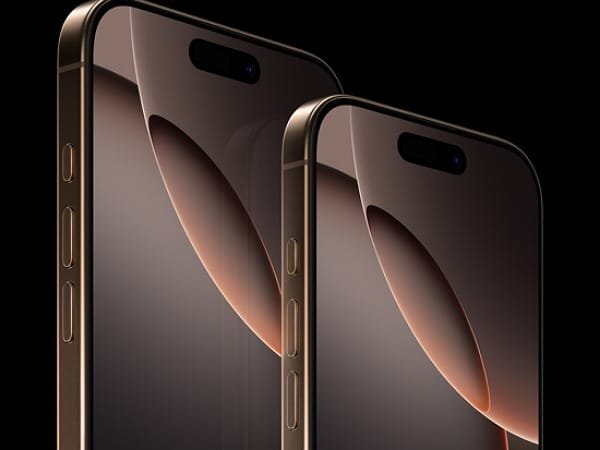
For a long time, Apple’s iPhone lineup has been differentiated by display technology, in particular, from the standard models versus the high-end ‘Pro’ variants. In turn, this has led to the implementation of first LTPS (Low-Temperature Polycrystalline Silicon) displays and more recently LTPO (Low-Temperature Polycrystalline Oxide) screens, setting the Pro apart, thanks to an excellent balance between power efficiency, color representation, and ProMotion technology with its silky-smooth 120Hz refresh rate. But new rumors now detail a revolutionary screen tech for the iPhone 18 Pro: LTPO+, which would level the playing field as Apple gets ready to roll out the iPhone 17 series. The End of LTPO Exclusivity Starting from the iPhone 17 series, Apple is said to put LTPO OLED panels in all models. This will remove yet another advantage that had been reserved for the Pro model family: The LTPO technology used to be a sales argument for the higher-end model line in the past. LTPO+ is a new display innovation Apple could be working on to keep its high-end models exclusive. According to tipster Jukanlosreve, who cites a report by consultancy firm Omdia, LTPO+ will make an appearance firstly on the iPhone 18 Pro and iPhone 18 Pro Max with significant improvements compared to the currently employed LTPO displays. What is LTPO+? While it is still unclear what the details of LTPO+ entail, the new technology is expected to provide better power efficiency and higher-quality display attributes. This can also help Apple compete in the more competitive space by giving another reason for customers to buy the Pro models. LTPO+ development still isn’t mature. Both Samsung and LG, longtime Apple display providers, are the likely manufacturers of these advanced panels. However, the timeline for LTPO+ might be in jeopardy considering how expensive it is to set up production, along with the research required. Potential Manufacturing Issues Apple’s display partners have been delayed in the past when developing new technologies. In fact, Samsung had initially been hesitant to mass-produce OLED displays with which Apple will equip its next-generation M4 iPad Pro series because profitability was an issue. Without large enough orders or incentive for manufacturers to invest in new production lines, something similar could happen to LTPO+. This is estimated to run into billions of dollars in investment for R&D and infrastructure, which may delay the roll-out of LTPO+. If these challenges persist, then it could mean the standard LTPO technology remains on the iPhone 18 Pro lineup. Good News For iPhone Fans: The introduction of LTPO+ technology in the iPhone 18 Pro could redefine the display experience, offering unmatched efficiency and performance. However, given the early stage of development and potential production hurdles, it’s best to approach these rumors with caution. For now, iPhone fans may look ahead to the iPhone 17 series, which will make them have LTPO OLED panels across the board for the first time. If LTPO+ will eventually be the big jump for the iPhone 18 Pro, this is yet to be seen. Anticipation is already building for Apple’s continuous innovation. Source: Jukanlosreve
Siri in iOS 18.2 Integrates ChatGPT, Lays Down Ground for Smarter Siri on iOS 19

The new Siri will debut with iOS 19 and macOS 16, promising users a more human-like conversation. Thanks to enhanced language models, Siri will be able to receive more complex requests from users, respond with context, and handle multi-step tasks. For instance, Siri could manage commands in relation to specific apps or process segmented queries, which would make it way more intuitive and versatile. Apple is currently testing these advanced LLMs in a standalone app across iPhone, iPad, and Mac platforms. The company plans to replace Siri’s existing infrastructure with this cutting-edge AI once development is complete. However, the public release of “LLM Siri” is expected no earlier than 2026, following a possible announcement at Apple’s WWDC event in June 2025. Putting ChatGPT into iOS 18.2 shows that Apple is serious about closing the gap in AI-powered virtual assistants, but this is not the solution that will last. As Apple finishes its proprietary AI, it’s crystal clear the company wants to move past relying on third-party creations such as ChatGPT. The point is that ChatGPT-enabled Siri in iOS 18.2 is a stopgap that will give users a chance to experience more advanced AI while Apple polishes the final result. Future iOS 18 updates will make Siri more free-flowing and independent to do tasks; it will also lay the foundation for the advanced capabilities positioned with iOS 19. For example, Siri will manage complex workflows by dynamically deciding which part of the LLM infrastructure will be triggered based on what the user is requesting. This has been a turning point for Siri in competing with the rest of the industry giants in AI. The current information about Apple’s LLM Siri remains scarce, but Apple’s strategic focus on developing robust AI tools suggests that changes are coming. As Apple works toward its bold ambition-a Siri that is more intelligent, more aware, and more adaptive-the integration of AI will manifest through a series of incremental updates. Support for ChatGPT in iOS 18.2 barely scratches the surface. It is where Apple’s revolutionary AI framework will take over a new paradigm in user-device interaction. Source: Bloomberg