
Nintendo Switch 2 Design, Controller And Screen Leaked In New Video

The next generation of Nintendo Switch 2 is highly anticipated by Nintendo fans worldwide. Fresh excitement has been stirred up with a new video. YouTuber SwitchUp recently unveiled a 3D-printed mock-up of the rumored console, giving fans a glimpse into what it may look and feel like. A First Look at the Design and Screen According to a report, the 3D-printed model-a mock-up-is reportedly done by a Chinese case manufacturer showcasing an in-depth look at what might just be the Nintendo Switch 2. Given accessory makers quite regularly build prototype models based on early leaked designs, that’s likely how this was made. The video goes on to pit the new model up against the current Nintendo Switch OLED version, and differences abound in the size of the screen, general design aesthetic, and feel of the Joy-Con controllers. One of the noticeable highlights in the mock-up is, of course, the display, which is supposedly set to natively run in 1080p. This was a major bump from the then-current OLED model’s 720p while in handheld mode, promising a quite sharper visual for gaming on the go. While nothing is known if it’s scratch-resistant or touch-enabled, the design seems sleek and modern. Performance Expectations: NVIDIA’s Tegra T239 Chip Beyond physical design, much of the chatter for the Nintendo Switch 2 focuses on its capability speculations. Leaks hint at a system powered by the chip called NVIDIA’s Tegra T239-a chip tailor-made to deliver enhanced performance. It will also support the capability of NVIDIA’s Deep Learning Super Sampling, known as DLSS, that upscales lower resolutions for smoother visuals. While DLSS could significantly improve gaming experiences, it’s unlikely the console will achieve native 4K resolution for demanding titles. Instead, the Switch 2 may balance visual fidelity with the performance capabilities of the handheld. Fans are hopeful that the new console will excel at delivering a seamless gaming experience both on the go and docked to a TV. Is the Reveal Imminent? Despite increasing leaks and rumors, Nintendo has not officially confirmed the Switch 2. It’s kept a tight seal on the details, which is pretty typical for a major product launch from the company. Repeated leaks of 3D-printed models and specs, though, do point toward an impending reveal. This suggests most of the leaked information surrounding the Switch 2 might indeed be accurate. Fans also remain excited at surprises the gaming house could still spring on it. Could there be new revolutionary features not leaked yet? And more functional upgrades for Joy-Con? Things That Fans Will be looking at As the time builds up, gamers are keen on seeing how Nintendo innovates with the Switch 2. The promise of great graphics, a sharper display, and a more refined design itself is enough to keep people chattering, but Nintendo’s hallmark is always how it introduces features no one is really expecting. For now, the community can only speculate. However it might happen, either through an official channel or via more leaks, one thing is certain-the Nintendo Switch 2 is going to be one of the most talked-about gaming devices this decade. The whole world of gaming is in wait for when Nintendo decides to pull back the curtain on their big next move.
Google Pixel 9a: Specifications, Features, and Expected Date of Release
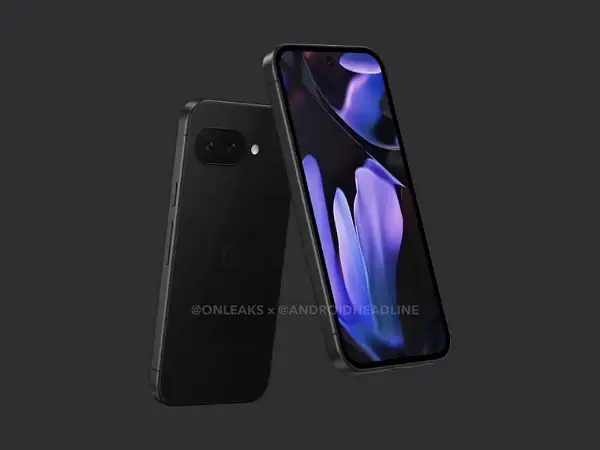
Google is gearing up to launch its much-anticipated Pixel 9a much earlier than expected next year. New reports suggests the phone retaining its budget-friendly price of $499 while offering major upgrades in performance, design, and battery life. Early Release in March 2025 Google is reportedly targeting a March 2025 release for the Pixel 9a, marking an earlier launch compared to its predecessors. This timeline aligns with numerous leaks and rumors surrounding the device. Upgraded Performance with Tensor G4 Chip The Pixel 9a will have a Tensor G4 chipset with a special version of it, while the capacity is pegged at 8GB + 128GB or 256GB, utilizing UFS 3.1 technology. And it also includes Google’s Titan M2 security chip to offer high security for the protection of user data. Enhanced Display and Durability It will reportedly boast a 6.3-inch screen with Gorilla Glass 3 protection. It manages to pump up a remarkable peak brightness of 1,700 nits for regular use and up to 2,700 nits for HDR, along with a smooth refresh rate of 120Hz. This is definitely something that would appeal to both streamers and gamers alike. Camera Upgrades Photography enthusiasts will get a more powerful 48MP Samsung GN8 Quad Dual Pixel primary camera and a 13MP Sony IMX712 ultra-wide sensor on the Pixel 9a. The front camera will also use an IMX712 sensor to ensure sharp selfies and clear video calls. Bigger Battery and Faster Charging The Pixel 9a will be powered by a bigger 5,100mAh battery compared to the previous leaks suggesting 5,000mAh. It will also support 23W wired charging and will retain 7.5W wireless charging sans Qi2 support. With the larger battery, it still manages to weigh a reasonable 185.9 grams and measures 154.7 x 73.3 x 8.9mm. Changes in Design and Durability The Pixel 9a ditches the iconic camera bar that made previous models instantly recognizable. Instead, there’s a matte finish on the back and an under-screen “Goodx G7” fingerprint sensor. Meanwhile, it also retains an IP68 rating against dust and water, making it perfectly capable to withstand everyday bumps. Software Support The Pixel 9a will come with Android 15 out of the box and will keep its promise of seven years of software updates, making it future-proof for budget-conscious buyers. Connectivity and Price The phone will include DisplayPort 1.4a support for 4K video output, a physical SIM slot, and a $50 premium for a mmWave variant. The base price remains the same at $499, keeping the Pixel A series affordable. Final Thoughts The Pixel 9a is shaping up as an excellent mid-range option with significant upgrades on design, performance, and battery life. Its competitive pricing and commitment to long-term software support make the Pixel 9a be in a good position as a budget smartphone. With its expected launch just three months away, anticipation for the device is building fast. Source& Images: Android Headlines
Nintendo Switch 2: How NVIDIA DLSS and Resolution Expectations Factor In
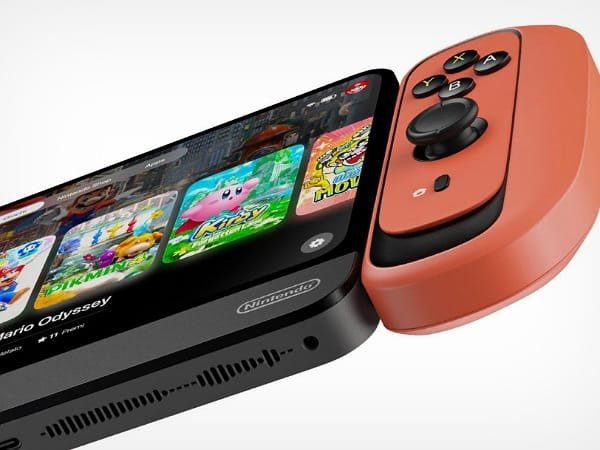
The Nintendo Switch 2 is going to feature NVIDIA’s Deep Learning Super Sampling (DLSS) to improve gaming performance. Still, the system’s hardware will likely struggle to achieve high resolutions such as 4K docked or 1080p handheld. DLSS: The Backbone of Nintendo Switch 2 Graphics Digital Foundry, one of the leading tech analysis groups, recently discussed the potential performance of the Nintendo Switch 2 on their podcast. In response to a fan query about resolution output, the experts said that DLSS will be a cornerstone of the console’s visual capabilities. It’s not expected to compete in the same ballpark as current-generation gaming systems like the PlayStation 5 or Xbox Series X, considering the system is expected to use a mobile chip, so instead it will use DLSS to upscale visuals efficiently. But DLSS is a power-hungry technology, so it’s not always going to hit those lofty resolutions. For handheld gaming, the tech will likely aim for 720p or 900p. Ports of older titles-say, from the PlayStation 4 and Xbox One era-could reach 900p to 1080p in handheld mode and up to 1440p when docked. Struggles with Demanding Games In the case of more graphically intensive modern games, some limitations are likely to present themselves with the Nintendo Switch 2. Here, developers will have to make a careful balance between the output resolution and visual quality. Output resolutions may drop off as low as 720p for handheld mode and not exceed 1440p in most third-party games when in docked mode. Nintendo’s first-party titles may adopt this approach, though. These titles may provide far less complex game content, ensuring developers keep costs low to help achieve higher resolutions, sticking to the performance thresholds many Nintendo fans have been bred to expect. That historical approach would also explain some of Nintendo’s longstanding neglect in terms of graphical innovation while developing games. Unreal Engine 5 Challenges One area where the Nintendo Switch 2 might struggle significantly is with games developed on Unreal Engine 5. Features such as Lumen, which offer more realistic lighting, can be noisy and rough at low resolution. Developers may use higher internal rendering resolutions at the expense of output resolution or adjust other visual settings to keep the game playable. Despite these compromises, the small screen size of the Switch 2 could help mask these issues, making the games look acceptable in handheld mode. Optimized DLSS for Nintendo Switch 2 A game-changer for Nintendo Switch 2 would be an optimized version of DLSS, fit for its hardware. This would not be unprecedented; Hello Games implemented a lightweight version of AMD’s FSR 2 technology on the Switch port of No Man’s Sky. If NVIDIA creates a similar solution, the Switch 2 could achieve improved performance while minimizing the compromises associated with traditional DLSS. Awaiting the Official Reveal While Nintendo hasn’t yet officially announced the Switch 2, the industry speculation just keeps on coming. The reliance on DLSS and the constraints of the hardware point toward innovation and cost-effectiveness over raw power for the console. Gamers are awaiting an official announcement to know the extent of what the next-generation Switch can deliver. Source
Apple Watch Ultra 3: Satellite Messaging, New Health Features Expected
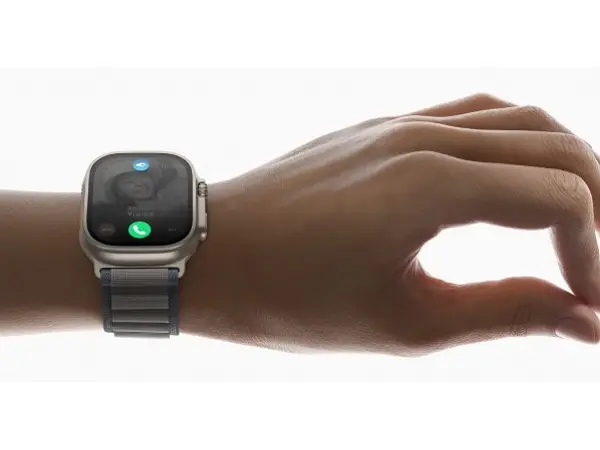
Satellite Messaging: The Most Significant Addition The Apple Watch Ultra 3 will introduce satellite messaging for the first time on any smartwatch. Mark Gurman, a tech insider from Bloomberg, predicts this feature will permit users to send text messages outside of cellular networks and without Wi-Fi. It just links directly with satellites for service in remote regions. This is a massive development leap of the Apple Watch series, as it means users can leave their iPhones at home and not sacrifice communication abilities. Satellite communications first arrived with the iPhone 14 in 2022, while last year it extended to roadside assistance capabilities. With the Ultra 3, that’s coming onto your wrists. The Apple Watch Ultra 3 may also support blood pressure monitoring, but this is not as sure. It was supposed to be released in 2023 but has been delayed and is no longer a given. Instead of showing the exact blood pressure, the watch would detect the risk of hypertension. Additionally, Apple is working on a non-invasive blood glucose tracker. However, this groundbreaking feature is unlikely to debut in 2024, as it remains in the development phase. These health-focused updates aim to solidify the Apple Watch’s position as a leading health monitoring device, aligning with Apple’s vision of empowering users to manage their wellness proactively. Boosting Smartwatch Sales Amid Slower Growth Apple’s decision to provide satellite messaging and health features is the strategic way to target a renewal in smartwatch sales: Revenue from Apple’s wearables business has fallen over the past two years as consumers didn’t see many reasons to upgrade. By integrating advanced features such as satellite communication to possibly blood pressure monitoring, Apple hopes to make this Watch Ultra 3 a robust choice for both new purchasers and existing users looking to upgrade. Switching to MediaTek Modems: A First for Apple Watches In another significant development, some Apple Watch models in 2024 may transition to using MediaTek modems instead of Intel’s. This is the first time Apple has sourced a major component from MediaTek. These new modems will support 5G RedCap, a specialized 5G service designed for wearables and other devices that don’t need high-speed data connections. It is clear that Apple intends to develop better connectivity and efficiency in their wearables. Conclusion: Innovation to Drive the Future of Wearables The Apple Watch Ultra 3 looks set to be a game-changer in the smartwatch world, with satellite messaging and possible health monitoring at the front of the charge. As Apple looks to reinvigorate interest in its wearables, these could very well set new standards for the industry. From advanced technology to health-centric capabilities, the Ultra 3 will be so much more than just a smartwatch; it’s on its way to being an essential gadget in communication, health management, and beyond.
GTA 6 Release Window Is Already Impacting The Whole Gaming Industry

Anticipation reaches an all-time high. Grand Theft Auto 6 is set to become one of the biggest video game releases ever. This will be a huge entertainment event if it indeed starts this fall. Originally, Rockstar Games had a plan for a Fall 2025 release, but delays are likely to extend the launch into 2026. Gaming Giants Reconsider Launch Strategies According to a recent Bloomberg report, competing publishers are hesitant to confirm release dates for their major titles in Fall 2025. They are closely monitoring Rockstar’s plans to avoid competing directly with GTA 6. The game’s release is expected to dominate global sales and attention, making it a significant challenge for any title launching in the same timeframe. Analysts have speculated that GTA 6 could set new records not just in gaming but across the entertainment sector. Its impact on the industry is already evident, with developers strategizing ways to position their products far from its launch window. Rockstar Games: Silent but Ambitious Rockstar Games and parent company Take-Two Interactive have been tight-lipped regarding news of GTA 6 in the last few months. In May, Take-Two reassured gamers that the game is on track to hit Fall of 2025 for PlayStation 5 and Xbox Series X|S. However, some insiders say it might be further delayed well into 2026. Though such delays may upset some fans, they also reflect the commitment of Rockstar to delivering a groundbreaking experience. PC Players May Face Longer Wait One notable aspect of GTA 6’s release is its platform availability. While console players are expected to gain access first, PC gamers may have to wait longer. Although a PC version of the game is inevitable, it has not yet been officially announced. Traditionally, Rockstar has staggered the PC releases of its flagship titles to optimize performance and address technical challenges. Technical limitations on consoles might also affect how well the game runs. For example, base model PlayStation 5 and Xbox Series X|S will likely be aiming for 30 FPS gameplay. Even the PlayStation 5 Pro will probably have issues holding 60 FPS in most scenes due to CPU constraints. A Landmark Moment for Gaming Despite the unclear release date and performance, the GTA 6 is poised to revolutionize the gaming world in more ways than one. Having the potential to outshine every movie and music launch ever, that shows the increasing power of video games as a cultural phenomenon. While the gamers are awaiting news from Rockstar Games, one thing is for sure: GTA 6 is going to be no less than a cultural craze that shall leave its mark on the industry. Source: Bloomberg
Apple iPhone SE 4: Features, Design, and Pricing Revealed
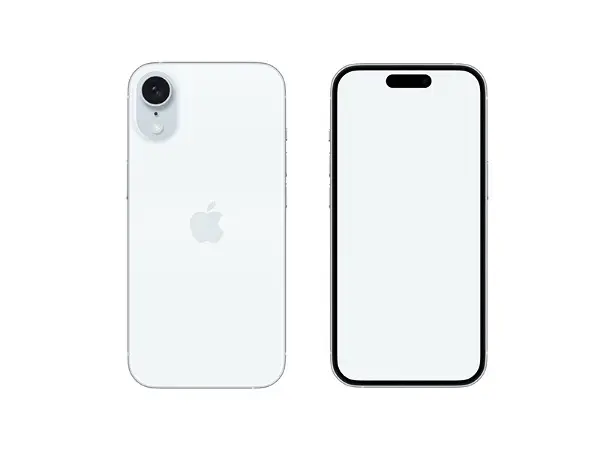
Apple is getting ready to launch its fourth generation of the iPhone SE early next year, and it promises to bring in a significant boost in design, camera, and performance. Though some information regarding the device has come up in recent months, the camera setup of the same has been speculated on. Here’s everything we know so far about the iPhone SE 4. Improved Camera System: 48MP Rear and 12MP Front According to reports from ET News, the iPhone SE 4 will feature a single 48MP rear camera-a significant improvement from its predecessor. Advanced features of the camera module would include 2x zoom, wide-angle shots, and all other capabilities present in the iPhone 16’s Fusion lens. This would give the SE 4 significantly better camera performance in its class. The front-facing camera is also getting an upgrade, with a 12MP TrueDepth lens for sharper selfies and improved FaceTime calls. Notably, the iPhone SE 4 will include Face ID, a feature that enhances both security and convenience, hinting at a modernized design for the device. Competitive Pricing and Modern Design Apple is marketing the iPhone SE 4 as an affordable way into its portfolio. Priced between $400-$500, it will become the most affordable iPhone having a sleek, modern build. And despite being cheaper, SE 4 will be loaded with high-end specs, thus turning out to be a great ‘value-for-money’ device for Apple fans on a lookout for an affordable option. Powerful Internals: A18 Chip and AI Capabilities The iPhone SE 4 is supposedly powered by Apple’s A18 chip, the very same chip inside the iPhone 16 and iPhone 16 Plus. Such an advanced chipset makes for great performance and future-proofs the device for years to come. It’ll also boast 8GB of RAM to handle even Apple’s upcoming AI features, including enhanced Siri interactions and intelligent app functionality. This combination of hardware on the back makes the iPhone SE 4 an attractive option among those in search of performance-oriented smartphones with an accessible budget in mind. Connectivity: Apple’s Custom 5G Modem Apple will allegedly make its custom 5G modem’s debut with the iPhone SE 4 in an attempt to further reduce its dependence on Qualcomm. This won’t be quite as good as Qualcomm’s, but it is a massive step in the process of hardware independence that Apple seeks. According to reports, three variants of the Apple 5G modem are currently in development to hit different devices over the coming three years. Will the iPhone SE 4 Affect Flagship Sales? The iPhone SE 4, with its reasonable price, advanced camera, and high-end performance, raises questions about how well it will affect the sales of its future flagship siblings, such as the iPhone 17. Priced attractively and powerful, it could lure budget-minded customers who might otherwise purchase higher-end devices. Conclusion Setting up to be a game-changer in Apple’s lineup, the iPhone SE 4 packs in some premium features like a 48MP camera, Face ID, and the A18 chip into a hard-to-beat price. And with Apple targeting a wider range of customers with this release, it looks like the device will squarely take on the mid-range smartphone competition. Source: ETNews Images: 91Mobiles
OnePlus To Launch “Mini” Flagship Phone In 2025

OnePlus Gears Up for More Phones This Year OnePlus is said to have lined up some major launches this month, with its most recent flagship launching internationally, as well as the introduction of the Ace 5 series of phones to China. Fresh leaks are suggesting the brand may have another ace in the box for fans – a compact smartphone. Leak Implies Smaller Phone According to Digital Chat Station, a reliable source of various smartphone leaks in China, OnePlus is working on a “small” phone with a 6.53-inch display. That’s much smaller than the 6.82-inch display on the upcoming OnePlus 13. This would not be the first attempt at a compact device by OnePlus. In 2019, OnePlus released the OnePlus X, featuring a premium design, a 5-inch display, a powerful Qualcomm processor, and an attractive price of $250. The OnePlus X quickly became a darling among fans of smaller smartphones. Compact Smartphones Gain Popularity While big-screen phones are the dominating force in the market, compact smartphones are making a comeback. Google and Apple have stuck to offering pocket-sized phones despite their flagship displays crossing the 6-inch barrier. This year also saw Vivo jump into the fray with its X200 Pro Mini, packing flagship features into a smaller size. Now, it looks like OnePlus is ready to take the plunge into this growing niche with its new compact offering. Expected Features and Specifications The leaked details suggest that this compact OnePlus phone will carry Qualcomm’s Snapdragon 8 Elite processor, meaning performance will be top-notch. It is expected to feature around 1.5K resolution, providing sharp visuals. For the photography enthusiasts, the phone will most probably feature a 50MP Sony sensor as one of its main rear cameras. The device is also said to boast a new horizontal camera module design. An under-display fingerprint sensor is reportedly included, though the phone might lack a periscope-style zoom lens, often used for advanced optical zoom capabilities. Based on the leaked design and specs, the device seems different from the Ace series that remains exclusive to China. Collaboration with Oppo Often, given the close relationship between OnePlus and its sister company Oppo, technology and design elements often overlap. For example, the Oppo Find N3 was an essentially identical phone to the OnePlus Open, but with different branding. The same source suggests Oppo is also working on a compact smartphone destined for the Chinese market. It is yet to be seen whose name will stay at the top in the compact smartphone segment, but regarding its recent history, OnePlus could be the first brand to introduce a mini flagship into the market. Conclusion: A New Chapter for OnePlus Although OnePlus has not officially confirmed the existence of this compact phone, the rumors have generated considerable excitement. With flagship-level hardware, a smaller form factor, and a sleek design, this rumored smartphone could cut out a unique niche in the market. As compact smartphones become more popular, OnePlus’s new device may set a new benchmark for powerful, pocket-friendly tech.
Oppo X8 Pad Gaming Tablet To Feature Powerful MediaTek Dimensity 9400 SoC
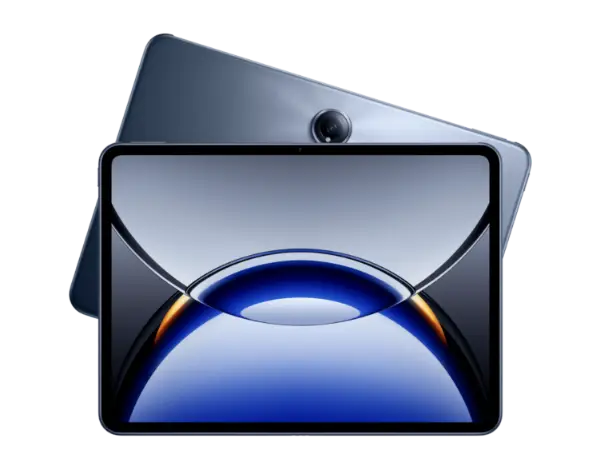
Introduction With the good sales records of gaming tablets such as the Lenovo Legion Y700 and RedMagic Nova, Oppo is about to join this competitive class. Recently, the first details about the first gaming tablet of the company have been revealed via a leak, showing us the Oppo X8 Pad. The Leak: Digital Chat Station Reveals Key Details The information about the Oppo X8 Pad originates from a trusted Chinese leaker, Digital Chat Station. Initially, details about an unnamed compact tablet powered by MediaTek’s Dimensity 9400 chipset surfaced through a Weibo post. Although the original post did not disclose the device’s name, a subsequent comment from the leaker clarified that it belongs to Oppo’s X8 series and will be launched as the Oppo X8 Pad. Expected Launch Timeline Although Oppo has not officially declared the X8 Pad, it’s unlikely to arrive before the Find X8 Ultra this spring of 2025. That means the gaming tablet might appear in the latter part of the year and will coincide with the company’s product strategy. Oppo X8 Pad: Rumored Features Display and Design The Oppo X8 Pad is said to sport an 8.8-inch high-resolution LCD display with a high refresh rate. Unlike some other tablets, it will not feature a punch-hole design for the front camera. Instead, the camera will sit in the bezel, which provides a clean and immersive screen layout. This tablet is also expected to have a slim metallic build, adding to its premium feel. Performance and Software Under the hood, the Oppo X8 Pad will be powered by MediaTek’s flagship Dimensity 9400 chipset, ensuring smoother performance and high-end gaming. Although details on RAM and storage are still in secret, there could be several options so that users can have multiple variants for different user needs. It’ll run ColorOS 15, which in turn is based on Android 15 for seamless and feature-rich usage. Battery and Charging The Oppo X8 Pad might support fast charging, but exact details about the battery capacity are not provided yet. This feature will probably become highly desirable for gamers when they need quick recharging during extended play sessions. Launch and Market Availability The Oppo X8 Pad will probably launch in China, but there’s no word on a global release yet. It’s possible that it could arrive internationally either under the Oppo brand or as a rebadged product under OnePlus, given the company’s history of cross-branding. Conclusion The Oppo X8 Pad is its all-out attack on the gaming tablet domain, which has thus far been dominated by Lenovo and more recently RedMagic. A powerhouse chipset, good aesthetics, and an updated display make the X8 Pad a potential gaming as well as tech enthusiast’s dream come true. Although much of the details are still under wraps, it cannot be denied that this device will testify to how Oppo can make or break into the gaming hardware space.
Apple Vision Pro Successor To Feature An In-House 5G Modem

Production Halted and Future Prospects Manufacturing of Apple Vision Pro, Apple’s ultra-advanced mixed-reality headset, has stopped as the company debates its future direction. While Apple weighs several paths to revamp the product, it faces major issues with steep pricing. At the same time, Apple reportedly discusses how it can utilize its proprietary 5G modem, a crucial component to upgrade future gadgets-including Vision Pro. No 5G Modem for Next Year’s Model While rumors have been floating that a follow-up with the Apple-designed 5G modem, those hopes are likely dashed. According to Bloomberg’s Mark Gurman, that won’t happen with the second generation of Vision Pro, either. There have been talks that the company is considering placing cellular connectivity on headsets, a move that can make devices truly game-changing. That’s more likely going to come with Apple’s future AR glasses, though — and they’re still going to be a few years away. The Road to AR Glasses Apple’s strategy appears to include AR glasses tethered to an iPhone, leveraging the smartphone’s processing power to minimize the computational load on the glasses themselves. This approach could serve as a precursor to fully standalone AR devices. The long-term vision includes deploying Apple’s in-house 5G modem across various product lines, from Macs to iPhones. It’s also reported that the iPhone 18 Pro series with mmWave baseband chips could be a milestone for the company in 5G development and might also beat Qualcomm. Benefits of Integrating 5G in Vision Pro An in-house 5G modem integrated into Apple Vision Pro has several key advantages: it would decrease the size and weight of the whole device for better comfort of use, and it could enable untethered connectivity, without the need for pairing with an iPhone for internet connectivity. This would be a game-changer in changing the way people experience augmented reality. But Apple is still in the exploratory stages and may well kill the idea if it can’t make commercial sense. As with all speculative reports, it’s best to take this news with caution until official announcements are made. Looking Ahead Apple’s push toward adding 5G capability to its devices in its lineup shows the dedication it gives to innovation. If there isn’t going to be a 5G modem on the Vision Pro anytime soon, it also lays the bed for complete change in AR and mixed reality. Source: BloomBerg
Apple iPhone 17 Air: The Ultimate Leap towards Ultra-Thinness
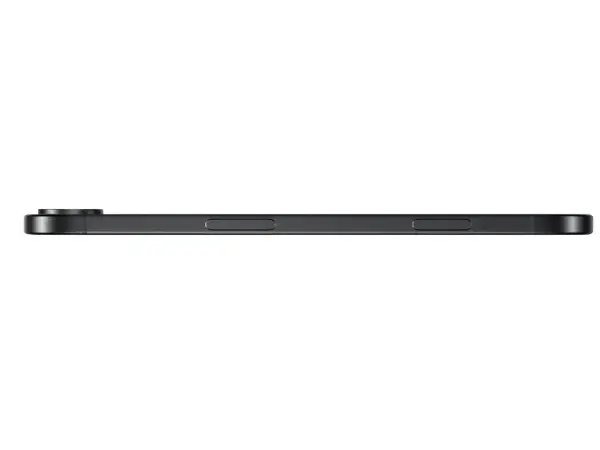
Apple Prepares for a Rewrite in Smartphone Thinness Apple is stealing headlines with plans for its new iPhone 17 Air, said to be the thinnest iPhone yet. According to rumors, it is supposed to be a meager 6.25mm thick, as opposed to the thickness of 8.25mm from the iPhone 16 Pro variants. This really is a bold step towards reinventing smartphone design for Apple and a return to the slender and featherlight models that made the iPhone 6 such a favorite; after all, the iPhone 6 was a scant 6.9mm thick. Thinness: The Technical Challenges While the iPhone 17 Air‘s design will still be considered a feat, it won’t beat Apple’s current thinnest device, which is the 13-inch iPad Pro by more than 1mm. A specific reason for the iPhone 17 Air’s final measurements is the struggles Apple has been experiencing regarding battery substrate development. Nonetheless, it will still beat the record as the thinnest iPhone to be ever made. A Unique Addition to the iPhone 17 Series The iPhone 17 Air will be an outlier in the otherwise design-carried-forward iPhone 17 series from the iPhone 16 lineup. As a high-end product, the Air will cost more, mainly because of its unique ultra-thin design. Internally, it will be much like the base iPhone 17, which further points out that the Air’s selling point is its looks and not some special hardware upgrade. The Debut of Apple’s In-House 5G Modem In addition to its striking design, the iPhone 17 Air will feature Apple’s first-ever custom 5G modem. However, early reports indicate that this modem may not match the performance of Qualcomm’s offerings. To ease this transition, Apple plans to debut the modem in the iPhone SE 4 before rolling it out to the iPhone 17 Air. This cautious approach reflects Apple’s strategy to refine its technology before wider implementation. Industry Implications of the Ultra-Thin Design There are rumors that the thickness of the iPhone 17 Air could be below 5mm to 6mm if Apple makes breakthroughs similar to those realized on the design of the iPad Pro. Such an achievement would no doubt set a new industry benchmark, inspiring competitors to follow suit. Future of the iPhone 17 Series The iPhone 17 Air will define itself by its design, but the rest of the series may use different materials: part-aluminum, part-glass for the iPhone 17 Pro, for example. Gone, it seems, is the titanium finish that was a feature of the Pro model in previous years. If ultra-thin is good enough for the Air, though, it’s anyone’s guess if it will trickle down into the wider iPhone range. Conclusion iPhone 17 Air is a realization of Apple’s commitment to innovation, balancing cutting-edge design with practical considerations. Having an ultra-thin profile and integrating Apple’s customized 5G modem, it brings exciting signals toward the development roadmap of future smartphones. Amidst growing anticipation, it could redefine consumer expectations, keeping Apple ahead in the league. Source: Bloomberg