
Samsung Galaxy S25 Ultra: Color Options Revealed Ahead of Launch
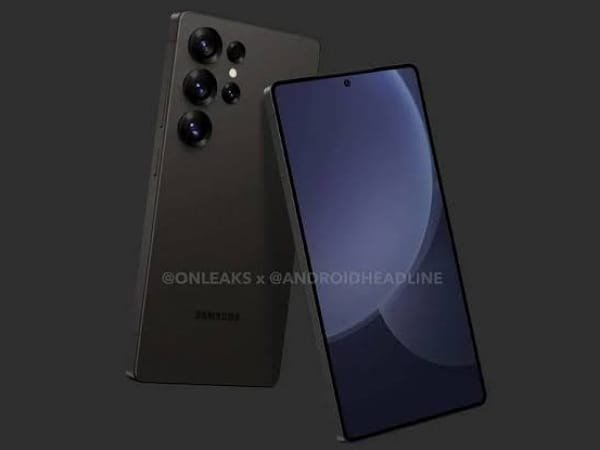
Just before Samsung is said to unveil its Galaxy S25 Ultra, further information about the flagship appears. The long-rumored January release window seems to be finally confirmed. This time, though, the leaks reveal color variants. The information comes courtesy of Ross Young from Display Supply Chain Consultants, and it holds some surprise: two black editions. Two Black: Something Different for Samsung One of the biggest surprises from the leak is Samsung’s decision to offer two different black color options for the Galaxy S25 Ultra. Among these, one variant has been named “JetBlack”, a term that may sound familiar to iPhone enthusiasts. Apple famously used the name “Jet Black” for one of its glossy finishes on older iPhone models. While it is still unknown if Samsung’s JetBlack variant will be similar to Apple’s glossy finish, the fact that Samsung has chosen to launch two black shades is quite unusual. It is not typical for a smartphone brand to launch multiple color variants of the same color, and thus it may indicate that Samsung wants to make a unique difference in terms of aesthetic. Galaxy S25 Ultra Color Options Beyond the two blacks, the Galaxy S25 Ultra will reportedly be available in a range of premium shades. According to the leak, Samsung is leaning heavily into metallic tones with a focus on titanium finishes. Here is the updated list of colors expected for the S25 Ultra: 1. JetBlack 2. Standard Black 3. Titanium SilverBlue 4. Titanium Gray 5. Titanium WhiteSilver 6. Titanium JadeGreen 7. Titanium PinkGold These options outline Samsung’s approach to deliver sophisticated and versatile colors for classic and bold preferences. Exclusive Colors for Samsung’s Online Store Note that some of these colors may not be so widely available. One of the commenters on the original leak said that JetBlack, JadeGreen, and PinkGold could only be found in Samsung’s online store. This isn’t a new strategy for Samsung as such since the company usually keeps selected colors for direct purchases as a way to encourage the use of its digital platform. If true, then customers who want these exact shades will have to order their devices from Samsung’s website. Details on availability and exclusivity will probably be confirmed closer to the launch date. What This Means for Samsung Fans Titanium-inspired finishes have been included, and black options seem like an unexpected duo, so this suggests Samsung is more interested in aesthetics and premium appeal for the Galaxy S25 Ultra. Such options could help it to stand out in a flagging market of increasing competitiveness. The JetBlack variant would surely appeal to users nostalgic for the Apple past while bringing in a fresh look. For now, Samsung fans will have to wait for official announcements to see how these leaks play out. More concrete details should surface close to the launch date—should the January launch hold true—including images of new colors. Conclusion The Galaxy S25 Ultra is shaping up to be an equipment that will bring together the latest advanced technology with refined design preferences. With the rumored Titanium finish and two distinct blacks, Samsung seems ready for an extensive array of possibilities. Whether or not the rumor regarding exclusivity holds, whatever might be the case, color choices for the Galaxy S25 Ultra are already creating something ahead of its official release. Stay tuned for more details, as Samsung is getting ready to reveal its new flagship. Images: @Universeloe, Android Headlines
Nintendo Switch 2: Latest Leaks Reveal New Design, Ports, and More
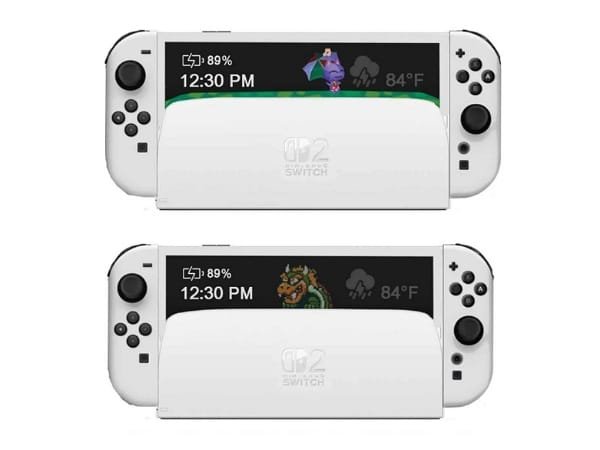
Latest Nintendo Switch 2 Leak Overview Over the weekend, fresh leaks surfaced online, offering a closer look at the much-anticipated Nintendo Switch 2. These leaks, which appeared on the Nintendo Switch 2 subreddit, included images of the console’s design, ports, and other key details. The images were shared by a Chinese accessories manufacturer, showcasing their upcoming products compatible with the rumored console. There is a leak of pictures showing several elements of the Nintendo Switch 2, which includes the back stand, Joy-Con controller buttons, and the top of the system. Although it isn’t the first time that such a design has been teased, the new images will give a much better glimpse into what the console may look like. Keep in mind that the final design is still not confirmed. In-depth look at Nintendo Switch 2 Ports: The weekend leak’s biggest news was possibly a more in-depth inspection of the ports on the Nintendo Switch 2. According to a Chinese leaker who had created CAD models of the system based off a prototype he received from an accessory manufacturer, there is a good amount of detail in these images and they have already been re-posted across the site by Reddit user Fidler_2k under the Gaming Leaks and Rumors subreddit. The images give some clues as to the system’s top and bottom ports, fueling the imagination about what each is specifically used for. With no official word, though, the positioning and design of these ports may suggest something new or an enhancement option on the Nintendo Switch 2. Fan excitement and industry buzz It indicates how keenly interested the gamers and industry experts are about the Nintendo Switch 2, as leaks related to it are increasing with time. The online forums, especially Reddit and other gaming communities, are full of discussions and debates on the design and capabilities of the console. Fans have started to analyze every little detail in the leaked images and are speculating potential improvements over the original Nintendo Switch. The hype is not limited to the online discussions. According to Paul Gate, who was at The Game Awards after-party this year, many in attendance were excited about Nintendo Switch 2 and showed confidence in its prospects. Gate reported that several figures in the industry left the after-party with a good impression of the console. Some even confirmed dedicated support for the new system. What We Know So Far While leaks have given us an idea of the design of Nintendo Switch 2, the finer details are still speculative. The new console is to retain some of the features in its predecessor, such as detachable Joy-Con controllers, but may include such enhanced features as improved performance, better battery life, and updated hardware. What is seen in the detailed back stand and refined button layouts in the images reveals that Nintendo is targeting greater usability and comfort. The ports on the top and bottom of the system have also been intriguing. If the leaks are correct, then these ports might open up more functionality to the user, such as improved connectivity options or compatibility with new accessories. Conclusion: A Promising Look Ahead The more the leaks of the Nintendo Switch 2 surface, the more hype builds around this console. Even though the design seen in the leaked images may not be final, it gives fans hope of what could be the next big hit from Nintendo. Until then, speculations from gamers and industry observers will continue to come forth, all of whom will eagerly await confirmation on what the Nintendo Switch 2 has in store. The leaks don’t do much but add to the excitement surrounding the console, which is already going on.
Apple AirTag 2 to Feature Major Range Boost
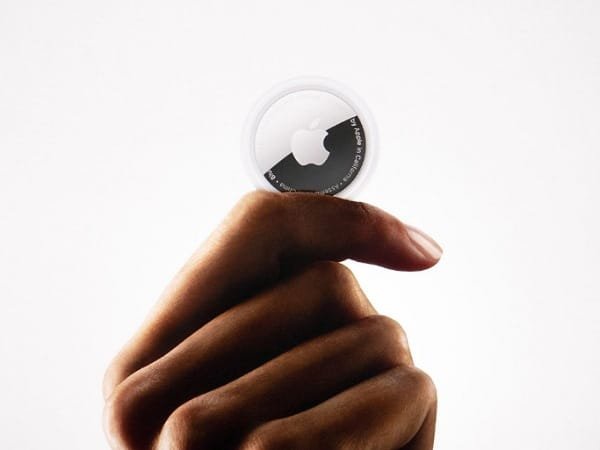
Apple’s AirTag has been a widely used gadget to track misplaced stuff, but its range often became a cause of frustration for the users. That could well change with the reportedly imminent release of the AirTag 2, which is expected to introduce some major upgrades, including a much longer range. Enhanced Range Courtesy of New UWB Chip According to Bloomberg’s Mark Gurman in his latest “Power On” newsletter, Apple reportedly is working on a new version of the AirTag. The biggest upgrade? A new ultra-wideband chip, one which would theoretically extend its tracking range to impressive levels. Currently, the original AirTag has an operational range of about 33 to 98 feet (10 to 30 meters) when using Precision Finding. With the AirTag 2, this range could reportedly go up to three times farther. That means users may see a range that goes over 300 feet, making the new tracker far more competitive in the market. How AirTag 2 Stacks Up Against Competitors Until now, Bluetooth trackers like Tile have dominated the market when it comes to range options, claiming 100 to 500 feet (30 to 152 meters) depending on the model. The rumored range expansion in AirTag 2 could narrow the gap between Apple’s offering and its rivals. For everyday users, this means fewer “not reachable” errors and better usability for locating items across larger distances. Whether you’re tracking keys left in a faraway room or a misplaced backpack, the AirTag 2 could provide a seamless experience with fewer limitations. What This Means for Apple Users If the AirTag 2 lives up to its rumor and speculation, it will not only be convenient but also further seal Apple’s lead in the market of trackers. Increased range, combined with the device being baked into the Apple ecosystem and with features such as Precision Finding, could make it the tracker of choice. Also, this aligns with the company’s trend of continuous development and enhancing user experiences. A next-generation UWB chip would likely set the standard for location trackers again and get even more users using the AirTag 2. Expected Launch While Apple hasn’t confirmed the AirTag 2 or any of its features, Gurman thinks it will arrive sometime next year. If that happens, expect plenty of interest, particularly from those looking for an updated tracker with advanced features. Conclusion AirTag 2 has the ambition to fix one of the largest downsides of its predecessor-limited range. Capable of expanding the distance for tracking by as much as three times the original AirTag, this could be a serious competitor to the best of the best, such as Tile, and redefine the expectations of users from location trackers. Though it’s yet to be announced officially by Apple, such rumored enhancements already make many tech-savvy enthusiasts excited. Provided the AirTag 2 is going to turn out at least as cool as everybody expects, then it could be just the thing that will help everyone keep track of their belongings easily.
New And Smarter Bixby May Define the Success of Galaxy S25
Galaxy S24 Sales Explode with Galaxy AI The success of the Galaxy S24 series partly features integration of Galaxy AI, as stated in several research reports. With the Galaxy S25 launch set to happen in early 2025, speculations have risen over a major upgrade coming for Bixby, Samsung’s voice assistant. Well-informed industry tipster claims that this new Bixby could be the star of the Galaxy S25 lineup. A Look Back into the Evolution of Bixby Launched in 2017 as a replacement for S Voice, Bixby has never quite kept up with the likes of Google Assistant and Apple’s Siri. However, with generative AI on the rise, Samsung seems ready to reshape the definition of Bixby. According to the tipster, the new and renovated Bixby will be a headlining feature for the Galaxy S25 that may easily help the device compete against all other smartphones in the market. Leverizing Google Gemini and Galaxy AI Partnership with Google regarding the embedding of Gemini Nano, which is Google’s second generation AI platform, will hold an important role in enhancing functionality with the Galaxy S25. The Galaxy AI-which had its moment of fame with the S24 series-is sure to see improved use cases with the more advanced Gemini Nano. The new Bixby, if introduced, may adopt a similar approach. While some might assume Samsung would replace Bixby with Gemini’s technology, the company has reiterated its commitment to improving Bixby with generative AI rather than phasing it out. This aligns with the rumor shared by Ice Universe, a trusted tipster, who claims that Samsung sees Google’s Gemini as competition rather than a substitute. Competing in the AI Race Samsung’s push to upgrade Bixby comes as the company’s rivals have made strides in integrating AI. Apple is expected to bring out its own AI-powered enhancements with Siri when it releases iOS 18.3. So, Samsung is in a position where it wants Bixby to become an even more intelligent and capable assistant that can match offerings from Apple and Google. Mixed Reactions and Future Prospects While the tipster claims to have no doubt regarding the capabilities of the improved Bixby, some followers appear skeptical. But continued development into generative AI indicates this could be a game-changing update to Samsung’s voice assistant. Just how capable the new Bixby will be remains to be seen, and it will take future updates for the world of technology to see its premiere. Conclusion With the Galaxy S25 launch date closing in, all eyes are on what Samsung is up to next in the AI race. A redesigned Bixby, powered by generative AI and integrated with state-of-the-art features such as Google’s Gemini Nano, might just be what Samsung needs to solidify its position in the competitive smartphone market. Whether the updated voice assistant lives up to the hype, only time will tell, but one thing is quite evident: Samsung is committed to innovating in the AI space.
iPhone 17 Air Enters Mass Production, Thanks To Foxconn

Foxconn Moving into New Product Introduction Phase The iPhone 17 Air has just taken its next step toward reality. According to DigiTimes , Foxconn has entered a New Product Introduction for the iPhone 17 Air. This is a particularly critical stage in which there is design validation and testing of prototypes, where the concept transforms into an actual product. Sources in the supply chain confirm that the process remains on schedule, with no reported issues affecting Foxconn’s ability to manufacture the device. OLED Display Technology Advances A few months back, it was reported that Taiwan-based Novatek started mass production of an all-new OLED display for the iPhone 17 Air featuring unprecedented thinness. Which was, to some, considered a hoax; although it seems those plans materialize, and with the timeline required for production, this hints at the release in late 2025. This technological leap is likely to solve the problem Apple has faced for a while: how to differentiate its regular iPhone models and make them more desirable to customers. Apple’s New Strategy for Non-Pro iPhones The iPhone 17 Air represents a strategic shift for Apple after lackluster sales of earlier models such as the iPhone 12 mini, iPhone 13 mini, iPhone 14 Plus, and iPhone 15 Plus. Though the performance of the iPhone 16 Plus remains to be seen, Apple seems to plan a bold new approach with the iPhone 17 lineup. It’s believed to be a premium variant of the regular iPhone, touting professional-grade features for a rather high price. With a possible starting price of $1,299, the iPhone 17 Air could be the most expensive non-Pro model that Apple has ever made. Features and Specifications The iPhone 17 Air is expected to boast truly advanced technology, including the potent A19 chip, 8GB of RAM, and dual main cameras. Its ultra-thin design aims to outshine competitors, but questions will be raised over how well Apple can keep battery life up to par in such a slim form factor. Apple may draw inspiration from innovations like Huawei’s latest triple-fold phone, but competition from Samsung could pose significant challenges in this segment. Pro Models to Push the Envelope Further The iPhone 17 Pro models are also expected to boast some great upgrades. It is reported that they will feature 12GB RAM, the A19 Pro chip, and a new manufacturing process called TSMC’s N3P. They might also include three 48MP primary cameras, which will set another milestone in the history of smartphone photography. Conclusion As the iPhone 17 Air moves through development, Apple seems poised to redefine its standard iPhone lineup. With groundbreaking technology and a sleek design, this device could signal a new era for the company. However, with a hefty price tag and stiff competition, the iPhone 17 Air will need to deliver on its promises to capture the market’s attention. The iPhone 17 Air is scheduled to be released in late 2025, along with the other members of the iPhone 17 series. With the countdown to 2025 already in progress, Apple is the one to watch, and whether the iPhone 17 Air will be able to stand up to the hype.
Lenovo Legion Go 2 Leaked Powered By Ryzen Z2 Extreme APU And OLED Panel
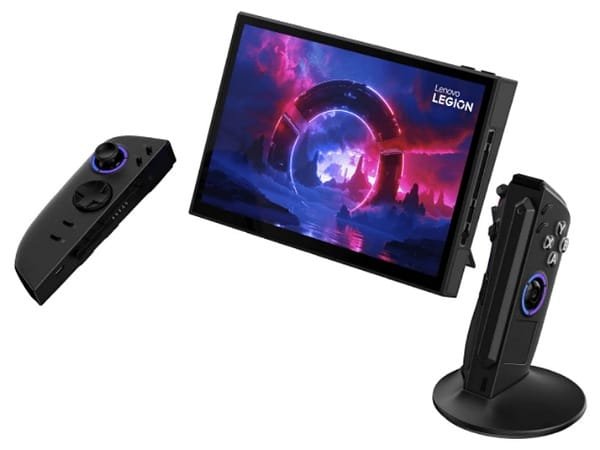
The next generation of Lenovo’s gaming handheld, Legion Go 2, will debut soon with notable updates attached while retaining some key factors from its predecessor. This includes detachable controllers, as well as a higher-grade configuration, and seeks to strengthen Lenovo’s hand in the competitive handheld game sector. Upgraded Hardware and Display According to reports, the Legion Go 2 will feature some serious hardware upgrades. Fueled by the AMD Ryzen Z2 chip, the handheld will utilize the Zen 5 architecture and improved RDNA 3.5 graphics. That’s a jump from the original Legion Go, which utilized the Ryzen Z1 Extreme chip based on Zen 4 architecture and RDNA 3 graphics. It also gets a refreshing display. The new console is believed to continue using the 8.8-inch display with 2560 x 1600p resolution, though Lenovo might give an OLED panel for upgraded visuals. Additionally, the company may bring in an LCD version as its budget version to make things more economic for budget-oriented gamers. Features retained and design update While Lenovo will be touting upgrades, the manufacturer will retain some of the quirks that made the original Legion Go unique. That would include the detachable controllers found on the original Legion Go . Visually, the Legion Go 2 is a bit different from its predecessor. While images show some design changes, the console will run on Windows 11. Notably, the Steam button seen on the Legion Go S controller is missing from the Legion Go 2, suggesting a more streamlined design. Performance and Battery Enhancements The Legion Go 2 is going to bring a serious performance boost with the Radeon 890M graphics featuring 16 Compute Units, making it much faster and more efficient than its predecessor. It will be improved in terms of battery life too. There’s word that the Legion Go 2 could pack an 80Wh battery for much longer play sessions. It’s a good move by the company, as with each passing day, other handheld consoles are also having bigger batteries for extended game-playing. Legion Go 2 vs. Legion Go S Lenovo is reportedly also preparing a more affordable handheld, the Legion Go S, to launch alongside the Legion Go 2. The Legion Go S will be smaller in size and not include detachable controllers like the Legion Go 2. It should be several hundred dollars cheaper, making it a budget-friendly option for gamers. Expected Release and Pricing The Lenovo Legion Go 2 is supposed to launch in the first quarter of 2025, though the exact date and price remain under wraps. Upgraded with features, positioning competitively, the Legion Go 2 will definitely go strong in the gaming handhelds market. Conclusion The Lenovo Legion Go 2 represents both innovation and familiarity at the same time. By providing state-of-the-art hardware, enhanced visuals, and extended battery life, while retaining signature features such as detachable controllers, Lenovo is well-placed to make its mark on the next-generation gaming landscape. Gamers can expect a really thrilling release in 2025. Source & Images: The Verge
Lenovo Legion Go S and Legion Glasses 2 Leaked; To Be Announced During CES 2025
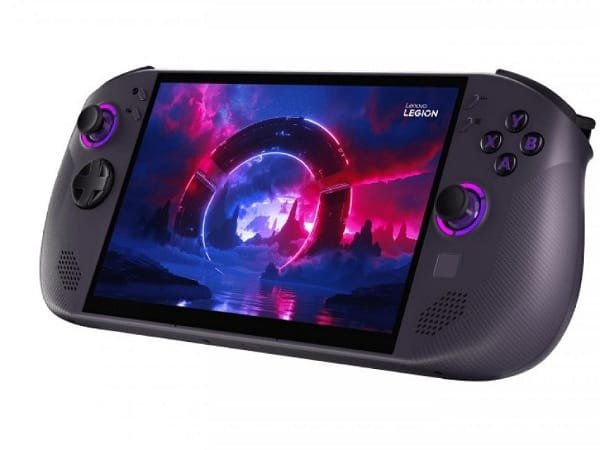
Lenovo is at it again, this time with the leak of images for its upcoming Legion Go S handheld and second-generation Legion Glasses. It looks like the company is ready to redefine portable gaming once more after the success of the original Legion Go. Portable Gaming Enters a New Dimension: Legion Go S The Legion Go S has been one of the most highly-anticipated announcements since rumors cropped up at the beginning of the year, hinting that Lenovo was indeed making a smaller and sleeker version of its handheld gaming device. Thanks to a recent leak by Evan Blass on X (formerly Twitter), fans have gotten their first high-resolution look at the device. High-resolution images not only show off the compact design of the handheld but also reveal color options, such as a subtle purple shade, alongside the previously seen white model. In terms of design, the Legion Go S retains much of the sleek, minimalist aesthetic of its predecessors, yet still exudes a functional vibe. Although actual hardware details are not confirmed, a previous rumor pointed to some high-end specs, including but not limited to: *A 120Hz refresh rate panel for smoother gameplay. *AMD Ryzen APU for heavy gaming tasks. *16GB RAM + 512GB SSD for performance and storage. *55.5Wh battery-pretty big for extended gameplay. These leaks are pointing towards the device nearing the final stages of design. Many are already speculating an official unveil at the upcoming CES 2025 event. Revolutionizing Visuals: Legion Glasses 2 The other leak is the Legion Glasses 2, Lenovo’s next move in marrying virtual reality with handheld gaming. Building upon the first generation of Legion Glasses, which launched alongside the first Legion Go, the second-generation model is much improved in design. These VR-enabled glasses allow gamers to enjoy a greater virtual display without the need for a screen. The aviator-style lens design equips the Legion Glasses 2 with a slimmer profile, hence more lightweight and comfortable compared to its predecessor. While the leak doesn’t provide any information on their specifications, it is assumed that the Legion Glasses 2 will still be plug-and-play devices, needing a wired connection to the Legion Go S to function properly. Anticipation Builds Ahead of CES 2025 With both the Legion Go S and Legion Glasses 2 appearing in these leaks, it’s highly likely Lenovo will officially unveil them at CES 2025. If the devices make an appearance at the event, gamers can expect a launch date shortly after. With the powerful handheld game console combined with advanced VR glasses, Lenovo is definitely positioned to give strong competition in the portable gaming market. Be it the rumored high-performance specifications of the Legion Go S or the enhanced design of the Legion Glasses 2, Lenovo seems committed to pushing the boundaries of gaming technology. What This Means for Gamers The Legion Go S and Legion Glasses 2 have the potential to redefine portable PC gaming for gamers in general. Their sleek design, together with innovative features, could attract a lot of enthusiasts looking for a high-class handheld solution. During CES 2025, the whole world will be looking at Lenovo as these devices are taken for a spin in real life. Until then, the leaked images and rumored specs will give plenty of reason to get excited about for gamers. Source
New Galaxy Ring Sizes and Features Rumored
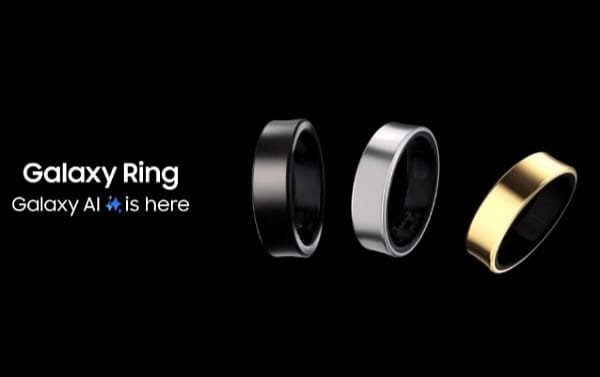
Larger and Small Galaxy Rings According to new rumors, Samsung’s innovative Galaxy Ring will boast new size options. Max Jambor, a known insider in the industry, recently took to X to insinuate that the South Korean company is already developing other sizes for its smart ring. These purported SM-Q514 and SM-Q515, US Ring Size 14 and US Ring Size 15, respectively. According to the leak, these new sizes are expected to weigh around 3.2 grams each, with diameters of approximately 23mm and 23.8mm, respectively. If the rumors hold true, Samsung might officially announce these larger sizes in January, potentially aligning with the brand’s anticipated Galaxy Unpacked event. Potential for Bigger Batteries More large-galaxy ring sizes should imply more advantages, perhaps leading to extended capacity battery possibilities. Currently, sizes go from 5-13. At Galaxy Ring size 5 battery sizes top-out at 18m Ah in while the largest size available — size 13 tops at 23.5. The increased battery life would be a nice addition to people who use the Galaxy Ring for health and fitness tracking. However, Samsung has not commented on these developments yet, and it only leaves fans wanting to know more. Delayed Launch Timeline This isn’t the first time that expanded Galaxy Ring sizes have been rumored. Similar reports back in September suggested sizes 14 and 15 were in the works, with a launch expected in the following weeks. However, those predictions didn’t materialize in October or November, leading to speculation that Samsung has shifted its timeline to early 2025. The new sizes could be announced at the Galaxy Unpacked event, which is rumored to take place in January. As the Galaxy S25 series is also expected to make its debut around that time, Samsung could use the event to show off the expanded Galaxy Ring lineup with its flagship smartphones. Looking Ahead: The Galaxy Ring 2 But even with a lot of attention on the current Galaxy Ring, there is equal excitement over rumors of its successor, the Galaxy Ring 2. A patent uncovered last October indicated that the next-gen smart ring may include a “resizing structure.” The design will make the ring fit any size by adjusting its interior with flexible components inside without needing multiple outer sizes. Other rumors of the Galaxy Ring 2 include an improved battery life and a thinner profile, further making the device a pretty cool thing for wearable tech enthusiasts. Samsung’s Smart Ring Dream Galaxy Ring is the first smart ring by Samsung, packing various health and fitness features with the help of AI. In fact, it has clicked for the majority of users because it comes in several colors and various sleek designs. If the rumored new sizes and improved features come to fruition, Samsung could further cement its status as a leader in wearable technology. For now, all eyes are on January, when the tech giant is expected to make its next big announcement.
Google Pixel Update Adds 80% Charging Limit and Bypass Charging

An exciting new feature has come to Google Pixel phones in the December 2024 update for Android 15 QPR1: an option to limit battery charging to 80% for preservation of its health. And that’s not all; it seems this also flips on a somewhat lesser-known feature called “bypass charging,” which will bring additional advantages to users who are interested in preserving the life of their battery. The 80% Charge Limit: A Step to Safeguard Battery Health The new limit of 80% is to minimize wear and tear on a phone’s battery. Regularly charging a battery completely to 100% may quicken the degradation of a battery over time and thus reduce its lifetime. In this respect, by limiting the charge to 80%, Google wants to increase the longevity of the Pixel devices-a very critical feature as the company wants users to keep their phones up to seven years. That will allow several generations of Pixel users to enable the feature for improved battery management. What is Bypass Charging? A surprising element included in this update, at least seemingly so, is “bypass charging.” Discovered by Android Authority, this feature lets Pixel phones directly use power from a charger, not from the battery, once that 80% threshold has been reached. Testing showed that once the battery reaches 80%, the phone throttles down to match power draw to use. For instance: *While idle, the phone consumes only 0.1W of power. *Switching the screen on increases this to 0.74W. *Running apps can take the power draw up to 2.6W. *Heavy-duty performance tasks, such as benchmark running, push it to a maximum of 7.6W. This behavior indicates that the phone bypasses the battery altogether, pulling power directly from the plug. When “Adaptive Charging” is re-enabled, the device returns to typical charging patterns. Benefits of Bypass Charging Bypass charging has a couple of advantages, especially for heavy users. For mobile gamers, this feature is a game-changer. It allows the phone to maintain performance without depleting the battery or causing overcharging, which can generate heat and degrade the battery. Besides that, bypass charging also helps reduce the amount of heat generated during intensive tasks, which is one of the most common problems in gaming-focused smartphones. Many gaming-specific devices already offer bypass charging, and its inclusion in Pixel phones marks a step forward for everyday users. Device Compatibility and Future Potential While the 80% charging limit has been made available on several Pixel models, bypass charging has only so far been confirmed on the Pixel 8 Pro. It is probable that this feature extends to other models such as the Pixel 8, Pixel 8a, and Pixel 9 series, but this remains unverified. Even though users may not know about bypass charging, it can silently prolong the life of their devices. As Google continues to emphasize the themes of sustainability and long-term usability, features like these will become even more central to how Pixel phones stay relevant in the years ahead. This update is just another example of how Google works to improve the user experience while addressing some long-term issues like battery health and device durability. Images and source: 9to5Google
Google Introduces Android XR: A New Platform for Extended Reality
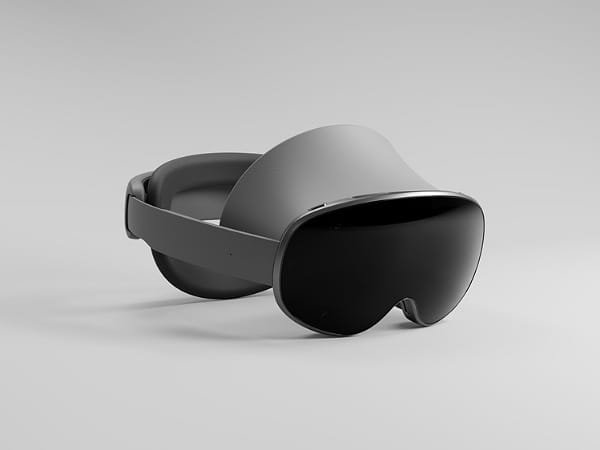
Introduction to Android XR Google has announced Android XR, a new platform that brings AI capabilities into the extended reality of headsets and glasses. The platform will make it easier to develop apps on multiple devices and will be compatible with existing tools like ARCore, Android Studio, Jetpack Compose, Unity, and OpenXR. Developer Preview and Tools The first developer preview of Android XR is now available, and that means developers can start creating immersive and augmented reality experiences. To help them in making those apps, Google has introduced an Android XR Emulator in the Android Studio, which would let the developers test their apps in a virtual XR room using a keyboard and mouse to navigate around. It will launch alongside Samsung’s Project Moohan headset, which is set to launch next year. This new platform from Google, Samsung, and Qualcomm is a major move in the evolution of XR. The Project Moohan headset will seamlessly transition users between fully immersive experiences and augmented overlays on real-world surroundings. Reports indicate earlier delays in the headset’s release due to disagreements between Samsung and Google. But it would appear the partnership remains set on creating a competitive product to go against Apple’s Vision Pro. Improved Compatibility and App Ecosystem One of the key features of Android XR is that it will continue to support existing mobile and tablet apps from the Google Play Store. This essentially means that when users buy an XR device, they will immediately have access to a large number of apps. Furthermore, Google is specifically redesigning core apps, including YouTube, Google TV, Chrome, Maps, and Google Photos, for a more immersive screen experience. Gemini Integration for Smarter Control Google also is integrating its AI-powered assistant, Gemini, into Android XR. Gemini lets users control XR devices, search for contextual information, and interact with apps using voice. Demos showed Gemini summarizing group chats, making recommendations, and helping users complete tasks, such as hanging shelves or finding gifts. Future of Android XR Google imagines the next versions of Android XR extending to include glasses that offer “all-day help.” Consumer launch dates are still unclear, but the company has already started testing prototypes with select users. More X device makers, such as Lynx, Sony, and XReal, will support Android XR, further expanding reach. Competition with Apple and Market Positioning Many consider Android XR to be Google’s answer to Apple’s $3,600 Vision Pro, which was criticized for the small app library and hefty price. Google is leveraging backward compatibility with existing apps and a solid ecosystem to make things easier for consumers. The price of the Project Moohan headset remains unannounced, but the game plan for Google involves the availability and affordability of apps as it looks to win over consumers. Partnerships and Innovations Continue Google has confirmed that it continues to collaborate with companies like Magic Leap while supporting Qualcomm’s XR solutions. It is not yet certain whether Magic Leap will fully implement Android XR, but the partnership does signal Google’s commitment to XR technologies moving forward. Conclusion With Android XR, Google aims to create a long-term sustainable platform for both hardware manufacturers and software developers. Based on the earlier AR and VR projects such as Daydream and Cardboard, the company now focuses on developing a common ecosystem to make the XRs accessible, versatile, and practical for everyday use. Images: Samsung, Google Source: Samsung, Google